Successful Blog

  • Home
  • Community
  • About
  • Author Guidelines
  • Liz’s Book
  • Stay Tuned

3 New Coronavirus Tax Credits that SMB’s Should Know About

June 18, 2020 by Guest Author

By Kayla Matthews

To keep businesses afloat during the coronavirus crisis, the federal government launched several new tax credits for employers of all sizes. These three coronavirus tax credits are designed to help you manage the financial burden of covering sick and family leave for your employees, as well as any government-mandated closures you may have complied with.

Employee Retention Credit

The employee retention credit is “designed to encourage businesses to keep employees on their payroll.” The tax credit, which is refundable, is 50 percent of up to $10,000 per employee in wages paid by your business. You can claim it so long as you’ve been impacted by COVID-19 and aren’t a small business that’s taken a small business loan.

For the purpose of the credit, impacted means one of two things:

  1. During 2020, your business has been fully or partially suspended by the government due to COVID-19 for the quarter, or
  2. During 2020, your gross receipts were below 50 percent of the comparable quarter in 2019.

If your gross receipts rise above 80 percent for a comparable quarter in 2019, you’ll no longer be considered impacted by COVID.

The Employee Retention Credit is not to be confused for the Paycheck Protection Program, another federal program designed to encourage businesses to keep employees on payroll during the COVID-19 crisis. You cannot receive both the Employee Retention Credit and a PPP loan.

The Paid Sick Leave and Family Leave Credit

These two credits are designed to compensate employers for employees who are unable to work due to COVID-19.

As an employer, you are obliged to provide employees who are unable to work (or telework) due to COVID-19 with paid sick leave for up to two weeks — whether they are sick, have been advised to self-quarantine or are caring for someone who has been advised to self-quarantine. You are also entitled to a fully refundable tax credit that’s equal to the cost of that paid sick leave.

Employees are also entitled to paid family leave if they are unable to work because they are caring for a child due to the closure of schools and childcare providers. You are also entitled to a fully refundable tax credit for the cost of this family leave.

In both cases, the paid leave will be equal to two-thirds either their regular hourly wage or minimum wage, whichever is higher. These leave payments won’t affect the employee’s standard rate of basic pay. This means that, for example, if an employee is paying for family life insurance, and the value of that insurance is based on rate of basic pay, taking sick or family leave shouldn’t affect the coverage provided.

How Do I Receive These Credits?

You can be immediately reimbursed for the credits by reducing the required deposits of payroll taxes by the value of the credit. To do so, you’ll need to calculate the size of the credit you’ll receive for the preceding quarter and apply it to your business’s Form 941, Employer’s Quarterly Federal Tax Return.

If your tax deposits aren’t enough to cover the credit, you can request an advance payment from the IRS using Form 7200, Advance Payment of Employer Credits Due to COVID-19. You can submit Form 7200 any month during the month following the quarter for which your claim is being made.

The IRS hasn’t yet put forward  timetable for when these advances will be sent out, however. If your business needs funds urgently, it may a be a good idea to look to other sources of funding.


About the Author: Kayla Matthews writes about communication and workplace productivity on her blog, Productivity Theory. Her work has also appeared on Talent Culture, MakeUseOf, The Muse and Fast Company.

Featured Photo by Kelly Sikkema on Unsplash

Filed Under: Trends Tagged With: tax

Do You Do Enough for Your Employees?

June 10, 2020 by Thomas

three hands stacked

No matter the number of employees you have under you, it is important for you to do all you can to keep them happy. In doing so, they will tend to give you their all in return.

That said are you taking steps to provide them with the resources and motivation to get the job done. If not, you could be hurting your business in the process.

So, where do you need to do more for your employees?

Providing the Answers to a Successful Company

As you look to do all you can for those under your employ, focus in on the following:

  1. Resources – Be sure you give your workers all the necessary resources to get the job done. Without such resources, you can be leaving them and your company short. Worst of all, it can have a negative impact on your customers. Those resources not only help to get the job done, they also reward your workers for all their efforts. For example, when you have a sales team in place, do you have tools needed to properly record their work? This is where sales commission software enters the picture. Such software allows you to correctly track each sales team member and their efforts to sell. In doing this, you can avoid having sales members miss out on the proper commissions. Other resources to look at include the right amount and kinds of computers, phones and more. Make sure your team has the resources at their fingertips to serve your customers.
  2. Hiring – It goes without saying that making the right hires proves critical too. Don’t be one of those employers not all that focused on the hiring process. The right hires can help you to steer clear of different problems. Those problems are everything from the job not getting done to high turnover and more. As part of the hiring, be sure either yourself or someone else hire up in the company sits in on the interviews. This can make it easier to pick the right people for the job.
  3. Incentives – For many workers, having the ability to move up in a company is rather important. So, does your company do all it can to provide incentives for its workers? If people feel as if they are stuck in a dead-end job, it can have repercussions for you’re a business. With growth possibilities, more employees are likely to go the extra mile for you. They also are likely to stick around for a longer period of time. Given the cost of living tends to go up on a regular basis; you also want to address this matter. By giving regular raises, you can address cost of living increases. You also take a little less worry out of the lives of your employees along the way.
  4. Thanks – Last, it never hurts to tell your employees thanks. Sure, they get paid and many may also get health benefits and more. That said saying thank you on occasion for all they do is a good thing. So, when is the last time you did that?

As you look to do enough for your employees, any particular areas you want to start on?

About the Author: Dave Thomas covers business topics on the web.


Filed Under: Customer Think Tagged With: business, customers, employees

How to Use AI for Your Business

May 28, 2020 by Guest Author

By Kayla Matthews

One of the most significant breakthroughs of the past few decades has been artificial intelligence. However, AI has mostly reserved for big tech companies that could afford to research how it worked and develop custom AI-powered tools — until recently.

There is now a variety of tools, platforms and solutions directed at end-users who don’t necessarily have deep AI or technical knowledge — meaning that almost every business can take advantage of the tech. Here are a few different applications of AI for your business, regardless of size.

Customer Service Chatbots With AI

One of the biggest benefits of AI is that it can overcome some of limits of conventional automation. Customer support chatbots, for example, have proven tough to automate well. Most of the time, the hard-coded, pre-written responses that make these bots work make them inflexible — and, as a result, not great at helping customers. Usually, if a customer needed a question answered and they turned to a chatbot, they’d end up speaking to a customer support rep, anyway — or click away when they couldn’t get an answer.

While these conventional chatbots are clunky, however, most customers still want support right away. They’re also willing to talk to a chatbot if it means getting support sooner. For many businesses, especially smaller businesses, service reps can’t be available 24/7. Some kind of automated solution will probably be necessary — but conventional chatbots can’t always provide quality customer service.

AI chatbots take a more intelligent approach. These bots use tech like natural language processing to more intuitively read and respond to customer questions. They’ve proven  much better at handling basic customer requests than conventional bots. According to data from Salesforce, 64 percent of service agents with AI chatbots are able to spend their time handling complex customer issues, compared to 50 percent of agents with non-AI chatbots.

These AI chatbots also collect a lot of information — like what a customer needs or even how they’re feeling — that they can pass on to a customer support rep, if the bot can’t handle the customer’s request. Reps who pick up requests from a chatbot will have a much better idea of how to help the customer as a result.

AI-Powered Workforce Management

Another strength of AI is its ability to find patterns in vast amounts of information. This means that AI tools are great at using large data sets — like historical sales data — to make predictions.

Most businesses with employees generate serious amounts of staff and customer data, but don’t take full advantage of this information.  AI-powered workforce management tools can apply AI algorithms to your business’s data to optimize employee scheduling and forecast workforce needs. The insights these platforms generate can help you avoid over- or under-staffing. By offering an estimate of how many customers will be in your store, hour-by-hour, you can more accurately schedule employees.

Business Intelligence With AI

Business intelligence (or BI) tools with AI also allow businesses to more effectively use the data they create. These tools help companies collect, organize and analyze business data — information on sales, marketing, payroll and anything else — so they can make better decisions about their business direction.

Most modern BI platforms from major companies — like Microsoft’s Power BI or IBM’s Cognos Analytics — come with AI tools active by default. If you learn the platform, you won’t need any advanced training to take advantage of these features. Often, the AI features actually make the platforms more valuable and easier to use. For example, Power BI includes natural language processing. With this feature, it’s possible to type in a plain-language request — like “what were our highest-selling products last quarter” — and you’ll receive a visualization of that data, no menu-navigation or coding necessary.

Applications of AI for Any Business

Artificial intelligence has changed how the biggest businesses analyze data and solve problems. New AI-powered tools and platforms allow businesses of any size to do the same thing. Chatbots with AI can intelligently respond to and answer customer questions. Analytics platforms can take the data that businesses already generate and analyze it.

As AI tech becomes more advanced, it’s likely that new AI tools will be developed, and that existing platforms will continue to add AI-powered features.


About the Author: Kayla Matthews writes about communication and workplace productivity on her blog, Productivity Theory. Her work has also appeared on Talent Culture, MakeUseOf, The Muse and Fast Company.


Photo by Michael Dziedzic on Unsplash

Filed Under: Tools Tagged With: business intelligence

How Will Business Productivity Change After COVID?

May 21, 2020 by Guest Author

By Kayla Matthews

COVID-19 has changed almost every aspect of daily lives across the globe. For businesses, especially, things look different now — working from home and quarantines have kept people apart to slow the spread. Now, you and others are looking for answers as to what comes next. For business productivity, things are going to shift.

From remote work to the integration of new technology, your company will likely see some changes. Though the pandemic is still in full swing, its current state and effects will influence what comes next. Business operations and productivity are going to adapt, but how that happens will depend on certain factors.

Regrouping

The first factor is the regrouping stage. Businesses will have to work out the details of working from home, unemployment levels and employee benefits. The coronavirus has affected each of these areas for businesses of all sizes. From here, your business will need to focus on how it gets back to work.

Remote work is likely to stick around for quite a while. Even after the pandemic passes, businesses and employees may reevaluate their work. If they don’t need to come into an office, they might continue to work from home. This decision saves on commuting time — which leads to the potential for different work hours.

As more and more people continue to work remotely, work hours may become more flexible. Some people may start earlier or later in the day and change their schedules to work with their personal lives post-virus.

Some businesses have laid people off due to the virus. While essential businesses have been able to remain in operation, non-essential enterprises have had to shut down. This change has led to record spikes in unemployment claims in the United States.

After COVID-19 passes, companies and organizations will then need to focus on hiring talent. To improve the hiring process, you’ll want to keep some things in mind.

First, new talent is going to question how your business handled employee benefits during the outbreak. Your company will need to have open and honest communication about the subject, as well as about the new hiring process. Additionally, certain businesses that need employees instantly will have to streamline the process.

New Technology

After regrouping, the second post-COVID phase will include businesses investing in newer technology. While human productivity has understandably decreased during this pandemic, machine productivity is shining through.

For many businesses, employees are only able to do so much from home. Places like science labs or restaurants can’t fully function remotely. However, artificial intelligence (AI), machine learning and robotics will all start to become more standard in businesses. Many larger corporations already use these innovations, but smaller and medium sized-enterprises will begin as well.

Technology can’t get sick. Thus, it’s reliable for continuing to generate revenue and keep business productivity up. Certain businesses, like restaurants, may not be able to fully use technology to operate.

Other aspects of these innovations, though, like automation and data analytics will come in handy. This technology powers tools from chatbots to voice-automated customer service to predictive data. Your business may be able to use these resources and this information to continue to operate as best as it can for future pandemics or situations.

Technology can also operate at all hours of the day. To keep a business going in a pandemic, it needs to be available at all times for sales and assistance. As innovations continue to emerge that make accessibility possible, businesses will integrate them. More pandemics or unforeseen situations may come after COVID-19. This pandemic has caused businesses to rethink their productivity both for the present and the future.

New Productivity

The meaning of business productivity has shifted during this time. Employees are juggling the transition to working from home, the stress of the situation and staying on top of their work. In the future, you will be seeing changes like these come to businesses of all sizes, but especially medium and smaller ones.

Transitioning back to normal life won’t be entirely the same as it was. Using these changes to your advantage, though, is the best bet for staying on top. Productivity will fluctuate and take on new forms, like technology and working from home. Depending on how fast scientists develop a vaccine, these changes will continue to solidify in the meantime.


About the Author: Kayla Matthews writes about communication and workplace productivity on her blog, Productivity Theory. Her work has also appeared on Talent Culture, MakeUseOf, The Muse and Fast Company.


Photo by Domenico Loia on Unsplash

Filed Under: Productivity Tagged With: Productivity

How Businesses Use Social Media Marketing

May 14, 2020 by Jessy Troy

Many businesses hear about the advantages of social media in terms of marketing their products or services, but some forget to look at other major benefits of social media beyond finding leads or making a sale.

Here are eight ways that businesses can use social media to learn more about themselves and their industry as well as get more involved with their clients and communities interested in what they have to offer.

1. Monitor Conversation About Themselves

There are many free ways to monitor what people are saying about your company through social media, including the following:

Google Alerts

Google Alerts will send you a daily digest email anytime your search terms come up in blogs, news, or other websites.

Social Mention

Social Mention monitors 100+ social media properties directly including: Twitter, Facebook, FriendFeed, YouTube, Digg, Google etc. You can have your mentions emailed to you daily.

Twitter Search

If you want to know real time what people are saying, you can setup a Twitter search in HootSuite, Tweetdeck, or just keep a RSS feed in your feed reader using Twitter search results. Include searches for your company, business owner, or unique product name.

Further reading: Set Up an Online Reputation Management Strategy That Wins You More Sales

A solid social media service could help you get the most of reputation management efforts.

2. Keep Up to Date on Their Industry

Along with keeping up with what is being said about your brand, as anyone with a business administration degree would tell you, you should also keep up to date on current events and news that affects your industry as a whole.

While there have been good company reactions to industry issues, such as pet food brands that assured their customers that their food was tested and 100% safe during the recalls and Toyota continuing to address their recalls assuring customers they are working to resolve the problems, I have seen some other fails where there was obviously no attention by the companies given to current events such as:

  • Auto warranty companies continuing their usual advertising while stories of auto warranty scams were on the rise.
  • A hotel chain in Hawaii sending out “last minute deals” about an hour before the tsunami was supposed to hit the islands.

If you’re keeping up with how the public feels about your industry, you can reformulate your next announcements and advertising to boost the confidence in your company even in the midst of a negative wave. Facebook advertising is particularly effective for that.

In the above examples:

  • The auto warranty companies could add facts to their advertisements which would prove their authenticity above the scammers so people could trust them.
  • The hotel chain could have simply sent out updates on the conditions and reassure the public once the threat was over that it was safe enough to take advantage of their special rates.

3. Give Great Customer Service

One great way to use social media is for customer service. For example, if you have a Facebook Page setup, your customers might ask specific product questions.

Answering them right on the page not only gives them the info they want right away, but shows other fans / potential clients that you are a readily available to help, as well as provide an answer to a question that other clients might want to ask.

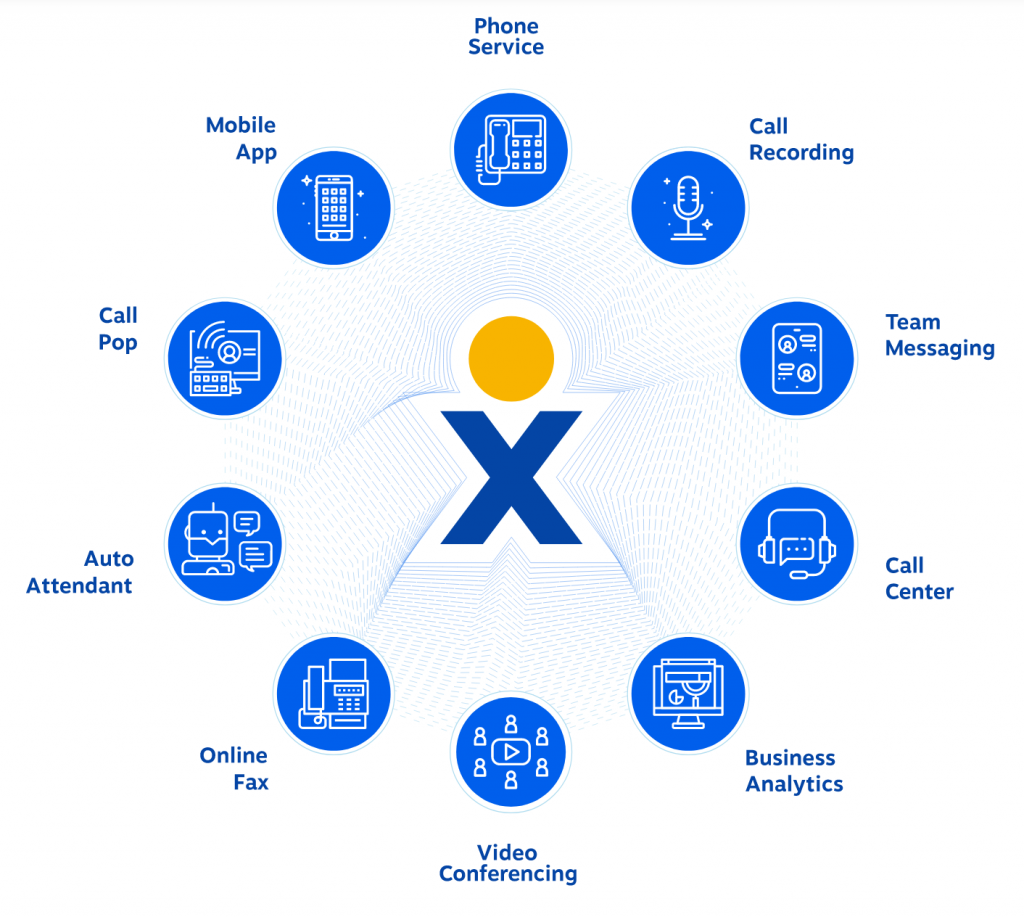
You can also encourage phone calls from your social media channels and set up your small business phone service to turn all those calls into the leads!

4. Provide Emergency Updates

Lately, the way to find out if something is not working is to make a quick search on Twitter. The last time I couldn’t get into my Gmail, I went straight over to Twitter to see if others were having the same problem or if it was just me – it was the former, so I knew there wasn’t an account issue.

Customer service is never more important than during times of crisis.

Since many people now turn to Twitter to voice their complaints and concerns, those that respond through the same media show both their followers and others who are watching the events unfold that they are interested in helping their followers quickly. It helps add a positive light to a bad situation.

5. Gain Customer Feedback and Opinion

Social media can be a great research tool. If your company has unveiled a new product or service, maybe your customers will be talking about what they think about it in real time.

I’m sure that Coca-Cola monitors any comments on their latest drinks to see if people are enjoying it or hating it, which affects whether they will continue to produce a specific flavor or try out a new one. You can also query your followers to ask them their opinion on a future product to get their insight before it even goes into development so you can create something that you know others will be interested in.

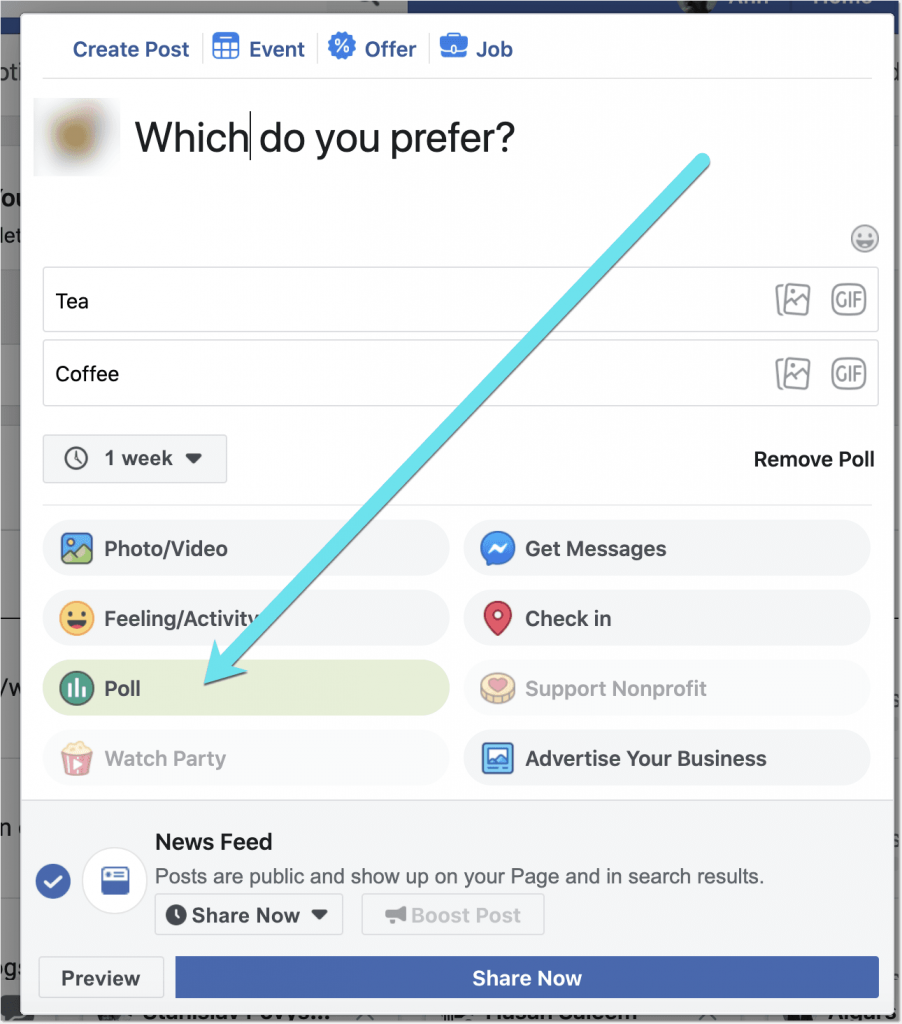
It is also a good idea to create polls on Facebook regularly to gain insight into your audience.

6. Move Positive Information to the Top

Reputation management via social media can be a great way to boost positive information about your business to the top of search results in an attempt to get negative results off of the list.

So if your company had a negative review placed on sites such as Rip Off Report or individual blogs, the best way to counter it is to have your company website, blog, Twitter, LinkedIn, and other social profiles ranking higher than that bad entry. It only takes ten strong, positive items to bump that bad one off of the first page.

7. Drive Traffic to Their Website

Social media can certainly help boost the traffic going to your website in a variety of ways. If you have a regularly updated corporate blog, you can post your blog articles on Twitter, Facebook, LinkedIn, and social bookmarking sites, which should help drive visitors to your post and then onward to your main site for products and services.

Also, you can monitor people talking about the products and services you offer and respond to them with your link if it helps answer their questions. Just recently, I mentioned migraines, and someone sent me an @mention with a link to learn more about natural homeopathic migraine remedies.

Social media is perfect for launching a new site as well as promoting an established one.

You just have to make sure that what you are sending will be absolutely helpful to the person you are replying to, and not look too much like a blatant advertisement (ie. maybe send a blog post link instead of a link to a product page unless some specifically says “I want to buy ___, where can I find it.”)

8. Create a Reference Library

Social bookmarking makes it easy to create a reference library of any news / press releases / mentions of your company.

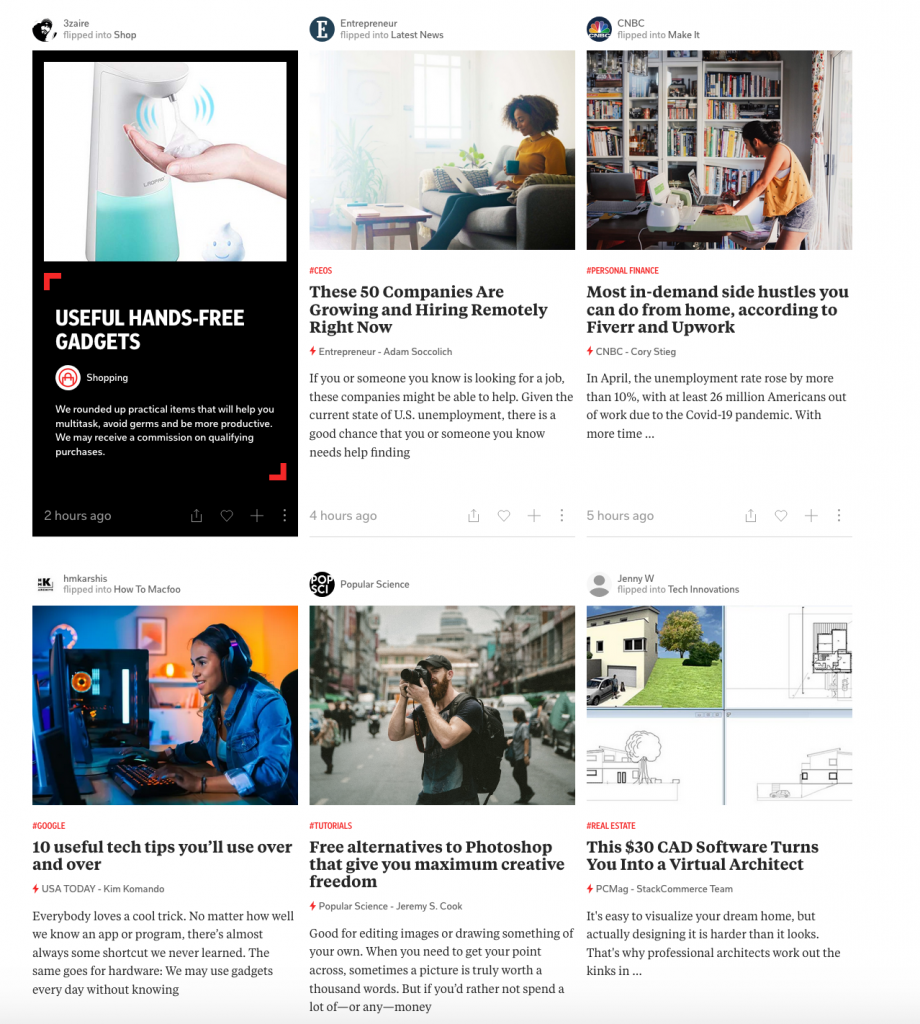
Simply use your hashtag alerts to find the places online that talk about you, and use sites like Flipboard to bookmark them. This helps you keep track of all the talk about your company, as well as boost the article by giving it the bookmark.

More Tips on Social Media for Business

Looking for more ideas on how to use social networking for business? Check out this post on business social networking by a blogger whose focus is on helping small businesses use online marketing more efficiently and effectively.

Do you have a business that you use social media as an avenue to connect with clients? Or do you know of a business that does a great job using social media? Let us know in the comments!

Filed Under: Uncategorized

7 Mistakes to Avoid in Digital Marketing

May 14, 2020 by Guest Author

By Michael Deane

Digital marketing can be tough and not getting the desired results can happen even to the most experienced marketers. The digital landscape is constantly changing and evolving, and you need to keep up to date with the best digital marketing practices at all times.

Digital marketing blunders can have a detrimental effect on your business and your finances. Lack of results in driving traffic, lead conversions, and sales happen when your digital marketing strategy is inadequate.

Let’s review the seven most common and biggest digital marketing mistakes you need to avoid if you want to promote your business and help it thrive.

1. Failing to Set Realistic Goals

Setting unrealistic goals is one of the common mistakes when it comes to this strategy. It is not rare for digital marketers to overestimate the potential of their digital efforts and to expect all their prospects to convert into sales, which is highly unrealistic.

Another downside of this way of thinking is having doubts about the benefits of digital marketing.

It is best to set clear goals you can achieve in the short, medium, and long-run with this strategy. To do so, it’s a good idea to observe past trends and the experiences of similar businesses operating in your industry.

Also, it is crucial to set specific and measurable goals since that will allow you to better track your digital marketing efforts.

2. Not Knowing Your Target Audience

The first step when developing a digital marketing strategy is taking the time to get to know and understand your target audience.

Without this information, you risk losing money since you can only make assumptions about who you’re promoting your company to. When you know who your ideal customer is as well as who your buyer personas are, you can create content that will resonate with their problems and interests.

Learn as much as possible about your target market and establish a connection with those who are most likely to be interested in your offer, instead of trying to sell your products or services to random individuals.

To research your target audience, start with identifying who your current customers are. Social media analytics can provide in-depth information about this.

Creating buyer personas is one of the best ways to better understand your audience. When you know their needs, preferences, and pain points, you can generate amazing content that will attract them to your brand.

3. Failing to Respond Promptly to Your Customers’ Inquiries

When you manage multiple channels and have to manually respond to customer interactions, it can become overwhelming or even impossible. On the other hand, failing to respond to your audience’s inquiries promptly can have dire consequences for your business.

Responsiveness and excellent customer service are critical in today’s market, regardless of the industry.

The solution to this is chatbot technology. It can help you engage with your customers in real-time and lead to better business results.

When you choose the right chatbots for your business, you can enhance customers’ experience, satisfy their needs, and answer their questions 24/7 without having to put them on hold. This will reflect in your profit since more leads will turn into sales with access to the right information at hand.

Conversational chatbots can save your business money since you won’t have to hire additional customer reps, while the conversations can be designed to use your brand’s particular tone. A call deflection bot is another example of how this technology can keep you from wasting precious resources, leaving your human agents free to engage with more complicated scenarios.

4. Engaging in Black Hat Methods

Those eager to get a quick increase in traffic or to rank higher on Google may resort to unsafe marketing practices. If you make that mistake and engage in any type of cheating techniques, it may cost you a lot.

Avoid using any type of black hat methods, that is, dishonest and cheating practices, since they will most probably lead to penalties by Google. Instead of boosting the performance of your website by trying to trick search engines, opt for ethical methods.

Safe marketing strategies will require more work and patience. Still, they will also build your brand a good reputation and deliver better results in the long run, without any unpleasant consequences.

5. Settling for Paid Advertising Only

Pay-per-click marketing can indeed earn quick traffic and sales, but it is not the only digital marketing tactic that can generate revenue.

Also, it can get expensive, since it can take some time to see the long-term results.

If you use only paid advertisements, you may miss other more effective digital marketing strategies. Spending on paid advertising is recommended if your goal is to generate more visibility for your brand.

If the organic visits to your website are increasing with time, then it is best if you invest in other aspects like generating outstanding content and improving the design of the landing pages.

6. Not Promoting Your Website Efficiently

With more than 1.5 billion websites online, your target audience is not likely to stumble upon your site unless you do your best to promote it well. Without people coming to your website, no sales will be made.

Promoting your website will increase its visibility and result in reaching new customers.

To get more traffic, invest in SEO, SEM, and creating engaging and informative content. Another significant ranking factor besides exceptional content is backlinking. This tactic relies on earning links on reputable and trustworthy websites, as they practically vouch for relevance and credibility.

Implementing effective link building strategies can help rank your pages higher and ultimately bring you more traffic and conversions.

Turning to paid ads on search engines and social media is also a great way to promote your business.

7. Not Using Social Media Properly

Posting content on social media channels isn’t sufficient in helping your business convert more leads and gain profit. Again, it’s the engagement with the right people that makes all the difference.

Your social media marketing efforts need to be focused on your target audience. Otherwise, you will be wasting your time and money.

This means you need to communicate with your customers via platforms they use the most and develop high-quality content that will appeal to them.

Facebook recently stated that it would encourage meaningful interaction between people. In other words, there will be less “salesy” content and advertising on their users’ news feed. This means that your safest bet is to create valuable content that engages your audience and connects your brand with your followers.

Posts that educate, inspire, or entertain are more likely to get your customers to take a specific action. Responding to comments encourages engagement too.

Social media, content marketing, and SEO are great digital marketing strategies that can be as effective as paid advertisements if done properly. The mistakes that we discussed can hinder your growth significantly, so be careful.


Author Bio:

Michael Deane has been working in marketing for almost a decade and has worked with a huge range of clients, which has made him knowledgeable on many different subjects. He has recently rediscovered a passion for writing and hopes to make it a daily habit. You can read more of Michael’s work at Qeedle.

Photo by Diego PH on Unsplash

Filed Under: Marketing /Sales / Social Media Tagged With: digital marketing strategy

  • « Previous Page
  • 1
  • …
  • 12
  • 13
  • 14
  • 15
  • 16
  • …
  • 1049
  • Next Page »

Recently Updated Posts

Is Your Brand Fan Friendly?

How to Improve Your Freelancing Productivity

How to Leverage Live Streaming for Content Marketing

10 Key Customer Experience Design Factors to Consider

How to Use a Lead Generation Item on Facebook

How to Become a Better Storyteller


From Liz Strauss & GeniusShared Press

  • What IS an SOB?!
  • SOB A-Z Directory
  • Letting Liz Be

© 2025 ME Strauss & GeniusShared