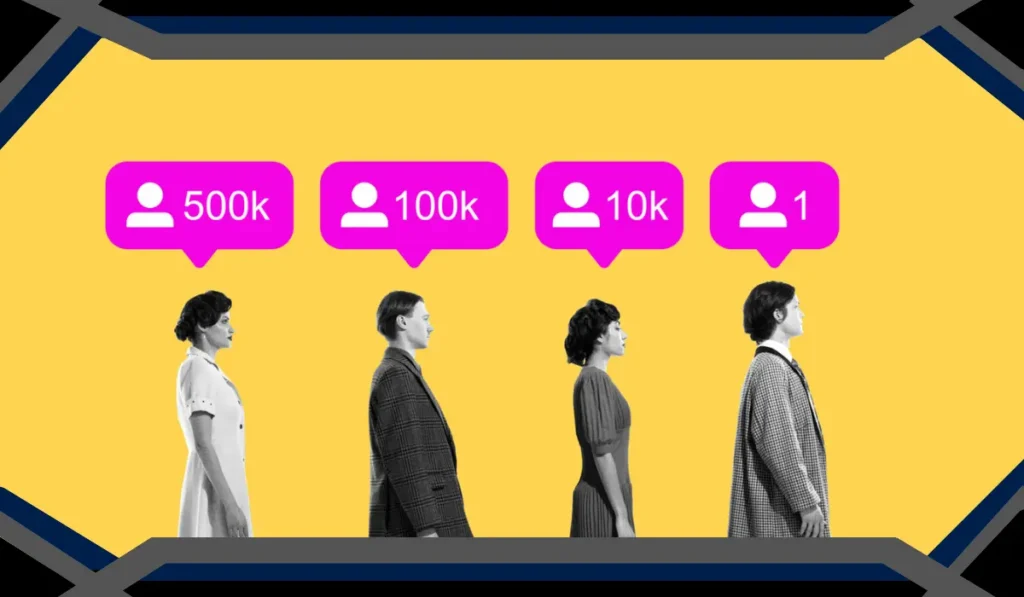
In today’s digital landscape, many creators, brands, and marketers chase impressive follower counts on social media platforms. Yet, raw numbers often fail to translate into sustainable success. True influence and business resilience come from something deeper: direct access to and control over your most engaged supporters. This is precisely why audience ownership matters more than followers.
Follower counts represent borrowed attention. Platforms control visibility through algorithms, and changes in policies or shadow bans can wipe out your reach overnight. Owned audiences—built through email lists, newsletters, private communities, or your own websites-belong to you. You can communicate with them anytime, without intermediaries. This shift from vanity metrics to owned relationships defines modern digital strategy.
Understanding Followers vs. Audience Ownership
Followers are users who click “follow” on a social profile. They may see your content occasionally, depending on algorithmic luck, but you lack direct contact. Platforms own the data and the relationship.
Audience ownership, by contrast, means collecting first-party data like email addresses, phone numbers, or community memberships. It enables direct, permission-based communication. This creates a resilient channel immune to platform volatility.
For instance, a creator with 100,000 Instagram followers might reach only 1-5% organically due to algorithms. The same creator with 10,000 email subscribers can achieve open rates of 20-40% or higher, delivering consistent value and offers straight to inboxes.
The difference becomes critical during crises. When platforms update algorithms, demonetize content, or change terms, those relying solely on followers suffer. Those with owned audiences pivot seamlessly.
The Fragility of Platform-Dependent Audiences
Social media platforms prioritize their own goals-ad revenue, user retention, and data control. Your content serves their ecosystem. Viral posts boost engagement temporarily, but algorithms constantly evolve, often reducing organic reach to push paid promotion.
History shows repeated examples: Instagram reduced reach for business accounts, TikTok faces regulatory scrutiny, and X (formerly Twitter) undergoes frequent changes. Creators who built empires on one platform often restart from zero when attention shifts.
Audience ownership provides stability. Email lists, SMS lists, or membership sites give you control. You decide messaging frequency, content, and monetization without worrying about deboosting or account suspension.
Moreover, owned audiences foster deeper loyalty. Interactions feel personal, not broadcast. This builds trust, turning casual supporters into advocates and customers.
Key Benefits of Prioritizing Audience Ownership
1. Higher Engagement and Conversion Rates Engaged, owned audiences respond better. Email campaigns often yield stronger ROI than social ads. Subscribers who opt-in already show interest, leading to better open and click-through rates.
2. Resilience Against Algorithm Changes Platforms come and go. Your owned list travels with you. Migrate to new platforms or your own site while maintaining direct contact.
3. Direct Monetization Opportunities Sell products, services, courses, or memberships without platform commissions. Launch offers to warm audiences who know and trust you.
4. Valuable First-Party Data Owned audiences provide insights into preferences and behaviors. Use this for personalized content and offers, improving retention and lifetime value.
5. Community Building Owned channels like private Discords, Slack groups, or newsletters create belonging. Members interact with each other, strengthening bonds to your brand.
Businesses with strong owned audiences weather economic downturns better. They rely less on expensive ads and more on repeat business from loyal supporters.
Real-World Examples of Audience Ownership Success
Many creators and brands demonstrate the power of this approach. Newsletter platforms like Morning Brew built massive value by delivering consistent, valuable content directly to inboxes, growing into acquisition targets. Substack creators often earn six or seven figures by owning subscriber relationships.
Brands like LEGO foster communities through user-generated content and ideas platforms, turning customers into co-creators. Apple maintains legendary loyalty through seamless experiences and direct customer relationships beyond social media.
Pat Flynn of Smart Passive Income famously emphasizes email lists over social followers. Many course creators report that while social drives discovery, email drives sales.
Even large platforms acknowledge this. YouTube creators increasingly direct fans to membership programs or external sites for deeper connection.
How to Build and Nurture Your Owned Audience
Transitioning requires strategy:
Create Compelling Lead Magnets Offer free resources—ebooks, checklists, webinars, or templates—that solve specific problems. Place them behind email opt-ins on your website or landing pages.
Optimize Your Website and Content Use pop-ups, exit-intent forms, and embedded signups. Add calls-to-action at the end of blog posts, videos, and social content directing people to your list.
Deliver Consistent Value Send regular, high-quality newsletters. Mix educational content, behind-the-scenes, and occasional offers. Focus on building relationships, not constant selling.
Leverage Social Media as Acquisition Use platforms to drive traffic to owned channels. Share teasers and link to lead magnets. Collaborate with others for cross-promotion.
Build Community Spaces Create Discord servers, Facebook Groups (with caution), or paid memberships for superfans. Encourage interaction.
Use Automation Wisely Set up welcome sequences, segmentation, and behavioral triggers. Tools like Mailchimp, ConvertKit, or Beehiiv make this manageable.
Track Meaningful Metrics Monitor open rates, click rates, unsubscribe rates, and revenue per subscriber rather than just total followers.
Start small. Even 1,000 highly engaged subscribers outperform 50,000 passive followers for most monetization goals.
Common Challenges and How to Overcome Them
Building ownership takes time and effort. Social growth often feels faster due to virality. Combat this by being patient and consistent.
Privacy regulations like GDPR require careful handling. Be transparent, offer easy unsubscribes, and provide value that justifies data sharing.
Maintaining engagement demands quality content. Batch-create, repurpose across formats, and listen to audience feedback.
Scaling requires systems. Automate where possible while keeping a personal touch.
The Future Belongs to Owned Audiences
As algorithms grow smarter and platforms more competitive, reliance on rented attention becomes riskier. Creators and brands investing in ownership position themselves for long-term success.
This doesn’t mean abandoning social media. Use it for discovery and awareness. Funnel that attention into channels you control.
Audience ownership matters more than followers because it represents real relationships, not fleeting metrics. It builds businesses that last, communities that thrive, and revenue streams that you control.
In a world of constant change, ownership is your greatest asset. Start today by capturing one email at a time, delivering exceptional value, and nurturing connections that matter. Your future self-and your bottom line-will thank you.
Also Read: Why Most Social Media Advice Fails (And What Actually Works Now)