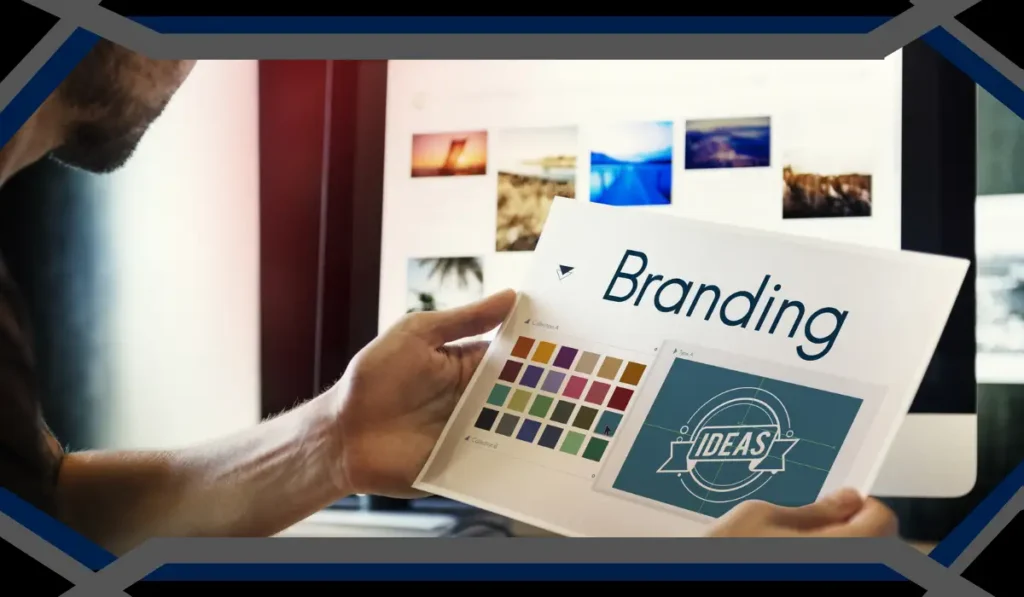
branding ideas for startups are essential for entrepreneurs who want to stand out without spending heavily on marketing. In today’s competitive digital landscape, building a strong brand does not require a massive budget it requires clarity, consistency, and creativity. Startups that invest time in smart branding early often gain long-term visibility, trust, and customer loyalty even before scaling operations.
In this guide, we’ll explore practical and affordable ways startups can create a powerful brand identity while keeping costs under control. Whether you’re launching a tech product, local service, or eCommerce store, these strategies will help you shape a memorable presence in the market.
Why Branding Matters More Than Ever for Startups
Branding is no longer just about logos or color schemes it’s about perception. For startups, branding is often the first impression potential customers, investors, and partners will have. A strong brand builds trust instantly, even if the business is new.
A well-defined brand helps startups:
- Communicate their value clearly
- Stand out in saturated markets
- Build emotional connections with customers
- Improve marketing effectiveness across channels
Without proper branding, even great products can get overlooked. That’s why startups must focus on strategic yet cost-effective branding from day one.
Building a Strong Brand Identity Without Breaking the Bank
One of the most powerful aspects of modern branding is accessibility. Today, startups can build professional-grade brand identities using affordable or even free tools. Instead of hiring expensive agencies, many founders are turning to lean branding strategies.
This includes focusing on clarity over complexity. A simple logo, consistent typography, and a strong brand message often outperform over-designed branding that lacks direction.
The key is consistency. Every visual and message should reflect the same personality across your website, social media, and marketing materials.
Smart and Affordable Branding Strategies for Startups
Instead of overwhelming yourself with dozens of tactics, focus on a few high-impact branding ideas that deliver strong results on a budget:
1. Build a Memorable Brand Story
Your brand story is one of the most powerful assets you have. Customers connect more with stories than with products.
Explain why your startup exists, what problem it solves, and what inspired its creation. A relatable story builds emotional trust and helps your audience remember your brand long after they leave your website.
2. Use Consistent Visual Identity Across Platforms
Consistency builds recognition. Choose a limited color palette, one or two fonts, and stick with them across all platforms.
Free design tools like Canva or Figma allow startups to create professional visuals without hiring designers. Even simple consistency can make your startup look more established and trustworthy.
3. Leverage Social Media for Organic Branding
Social media is one of the most cost-effective branding channels available today. Platforms like Instagram, LinkedIn, and TikTok allow startups to build identity through storytelling, educational content, and engagement.
Instead of focusing on paid ads initially, focus on:
- Posting valuable content consistently
- Engaging with your audience
- Sharing behind-the-scenes updates
- Highlighting customer experiences
This builds authenticity, which is often more powerful than paid advertising.
4. Create Value-Driven Content Marketing
Content marketing is a long-term branding asset. Blog posts, guides, videos, and infographics help position your startup as an authority in your niche.
For example, writing educational articles around your industry not only improves SEO but also builds trust. When people find value in your content, they are more likely to remember and choose your brand.
5. Build Partnerships and Collaborations
Collaborating with other small businesses or micro-influencers is a low-cost way to expand your reach. Instead of spending heavily on ads, startups can tap into existing audiences through partnerships.
This could include guest blogging, co-hosting webinars, or product collaborations. These strategies increase visibility while reinforcing credibility.
How to Build a Brand That Feels Premium on a Budget
Many startups assume that “premium branding” requires a large budget, but perception plays a bigger role than cost. Even low-budget brands can appear high-end with the right execution.
Focus on these core principles:
- Clean and minimal design
- Clear messaging without jargon
- Professional tone across all communication
- High-quality visuals (even if created with free tools)
A polished brand is often the result of attention to detail, not expensive resources.
The Role of Digital Presence in Startup Branding
A strong online presence is no longer optional it’s essential. Your website, social media profiles, and search visibility work together to shape your brand image.
Your website should act as the central hub of your branding efforts. It should be fast, mobile-friendly, and clearly communicate your value proposition. Even simple landing pages can be powerful if they are well-structured.
Search engine optimization also plays a major role. By optimizing your content and using relevant keywords naturally, you can attract organic traffic without spending on ads.
This is where branding ideas for startups become even more valuable, as SEO and branding work hand in hand to build authority and visibility.
Common Branding Mistakes Startups Should Avoid
Many startups fail not because of poor products, but because of inconsistent or unclear branding. Avoiding common mistakes can save time and money.
Some of the biggest mistakes include:
- Changing brand identity too frequently
- Using too many design styles at once
- Ignoring customer feedback in branding decisions
- Overcomplicating messaging
Simplicity and consistency are far more effective than trying to appear overly sophisticated from the start.
How to Scale Branding as Your Startup Grows
As your startup grows, your branding should evolve with it. However, this evolution should be gradual and strategic.
Start by strengthening what already works. Refine your messaging, improve your visuals, and expand your content strategy. Over time, you can invest in more advanced branding elements like video storytelling, professional photography, and advanced design systems.
But even at scale, the foundation remains the same clarity, consistency, and customer connection.
Final Thoughts: Building a Strong Brand on a Budget
Startups do not need massive budgets to build powerful brands. They need direction, consistency, and creativity. With the right approach, even lean teams can create brands that compete with established companies.
The most effective branding ideas for startups focus on storytelling, consistency, and digital presence rather than expensive campaigns. By applying these principles, startups can build trust, attract customers, and grow sustainably.
A strong brand is not built overnight it is built through repeated, intentional actions that reinforce identity over time. When done correctly, branding becomes one of the most valuable long-term assets your startup can own.
Also Read: How AI is Changing Branding in 2026: Trends, Tools & Strategies