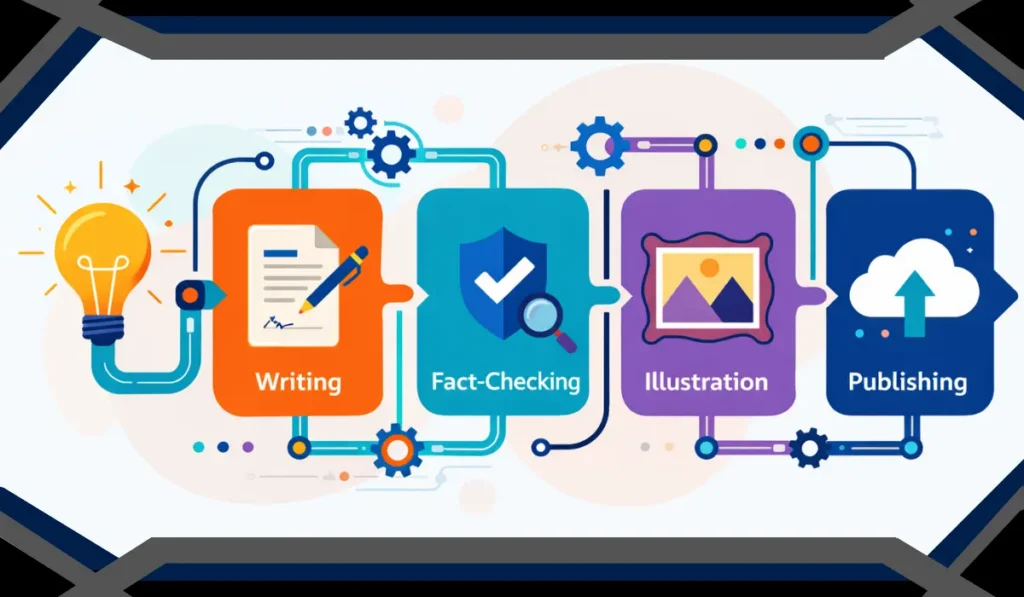
In the modern digital ecosystem, content success is no longer about occasional bursts of creativity. It is about consistency, structure, and the ability to produce relevant ideas at scale. Brands that struggle with content usually don’t lack skill-they lack a system.
That is why learning how to Build Content Pipeline frameworks is becoming essential for marketers, bloggers, and businesses. A well-structured pipeline ensures that ideas are continuously discovered, refined, and turned into publishable content without relying on unpredictable inspiration.
Creating a Reliable Idea Capture System
The first step in building a strong content engine is capturing ideas consistently. Most creators lose momentum because they rely on memory or random brainstorming sessions. A pipeline replaces this with structured capture.
Ideas can come from multiple sources such as customer interactions, search trends, competitor content, or even internal team discussions. The key is not where ideas come from, but how quickly they are stored and organized.
A simple but powerful system includes:
- A centralized idea bank (Notion, Trello, or Google Sheets)
- Daily capture habits (saving ideas instantly instead of later)
- Tagging ideas based on themes or keywords
When you Build Content Pipeline systems effectively, idea capture becomes automatic rather than intentional. This ensures you never face an empty editorial calendar.
Turning Research Into a Continuous Idea Engine
Research is the backbone of a sustainable content strategy. Without structured research, content ideation becomes repetitive and limited.
Instead of treating research as a one-time activity, successful content teams treat it as an ongoing process. Keyword analysis, audience behavior tracking, and competitor monitoring all feed into a constant loop of idea generation.
When done correctly, research doesn’t just support content-it creates it. Every keyword cluster or search query becomes a potential content topic waiting to be developed.
Keyword Clustering for Scalable Content Production
Keyword clustering is one of the most effective ways to scale content creation without running out of ideas. Instead of focusing on isolated keywords, you group them into thematic clusters that support a broader topic.
For example, a cluster around “content marketing strategy” might naturally generate multiple articles such as planning guides, optimization techniques, and measurement frameworks. This approach ensures you are not constantly searching for new ideas but expanding existing ones.
By organizing keywords this way, you make it easier to Build Content Pipeline structures that naturally generate multiple content opportunities from a single theme.
Repurposing Content to Multiply Ideas
One of the most powerful yet underused methods for maintaining content flow is repurposing. A single strong idea can generate multiple content formats, extending its lifespan and reach.
A blog post, for instance, can evolve into email sequences, short social posts, video scripts, and even podcast discussions. Instead of constantly starting from scratch, you are expanding the value of existing content.
This approach not only saves time but also strengthens SEO signals by reinforcing the same topic across multiple platforms.
Repurposing also ensures that your content pipeline never slows down because every published piece becomes a new source of ideas.
Audience-Led Content Creation
Your audience is one of the most reliable sources of content ideas. Every question, comment, or engagement is a signal about what people want to learn next.
Listening closely to your audience helps eliminate guesswork and ensures your content remains relevant. When you base decisions on real user behavior, your content becomes naturally aligned with demand.
To make this process more effective, you can observe patterns in customer queries, analyze frequently asked questions, and track engagement trends across your platforms. This transforms your content strategy into a feedback loop that continuously fuels your pipeline.
Editorial Workflow That Keeps Ideas Moving
Even the best ideas lose value if they are not executed quickly. A structured editorial workflow ensures that every idea moves efficiently from concept to publication.
A well-defined process reduces delays and prevents bottlenecks. Typically, an idea should move through stages such as validation, outlining, drafting, editing, and publishing.
When teams Build Content Pipeline systems correctly, each stage of this workflow has clear responsibilities. This prevents confusion and ensures that content moves steadily rather than getting stuck in planning phases.
Without a workflow, even a strong idea bank becomes useless. With one, it becomes a production machine.
Common Mistakes That Disrupt Content Flow
Many content systems fail not because of lack of effort but because of structural issues. One of the biggest mistakes is relying too heavily on spontaneous creativity. This leads to inconsistent publishing and burnout.
Another common issue is ignoring data. Without performance tracking, it becomes impossible to understand what content works and what does not. This leads to repeated effort on low-performing topics.
Finally, overly complex systems can slow everything down. A pipeline should simplify execution, not make it harder. The goal is smooth movement of ideas, not administrative overload.
Avoiding these mistakes is essential if you want to successfully Build Content Pipeline systems that scale sustainably.
Measuring and Improving Your Content System
A content pipeline is not something you set once and forget. It must evolve based on performance data. Metrics such as organic traffic, keyword rankings, engagement levels, and conversion rates help you understand what is working.
Over time, this data reveals patterns. Certain topics will consistently outperform others, and some formats will generate higher engagement. These insights allow you to refine your pipeline and focus more on high-impact content areas.
Continuous optimization ensures that your system becomes stronger with time rather than stagnant.
Conclusion: Building a Self-Sustaining Content Ecosystem
A successful content strategy is not built on inspiration alone. It is built on structure, systems, and repeatable processes. When you Build Content Pipeline frameworks effectively, content creation stops being reactive and becomes predictable.
Instead of worrying about what to publish next, you operate within a system where ideas are constantly flowing, organized, and ready for execution. This creates long-term SEO growth, stronger audience engagement, and a more efficient content operation.
Ultimately, a well-designed pipeline ensures that you never run out of ideas-you only run out of time to publish them.
Also Read: How to Build Authority Without Posting More Content