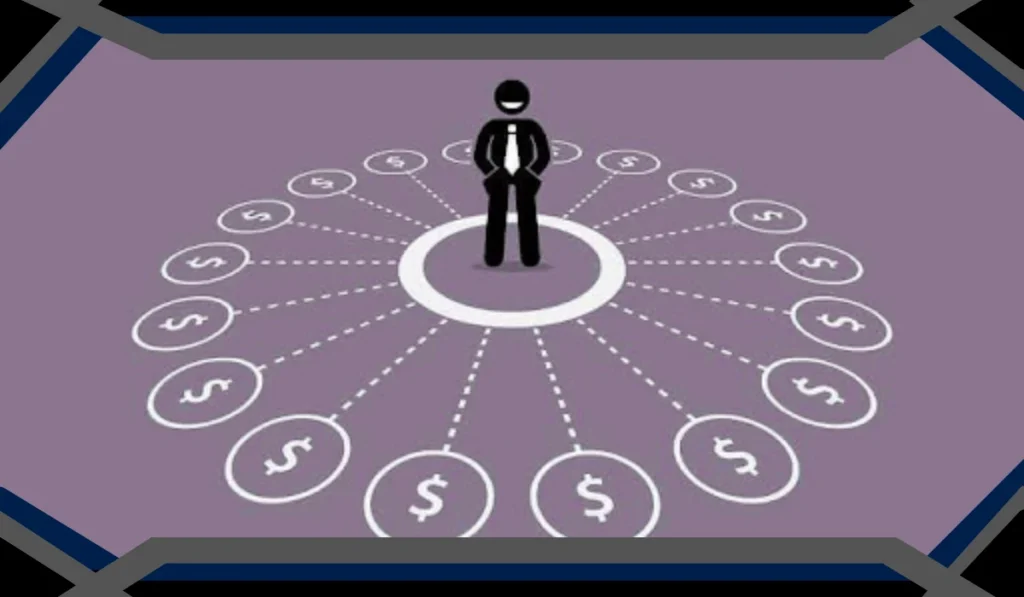
Multiple income streams are no longer a luxury in today’s fast-changing economy; they are a necessity for achieving financial stability, reducing risk, and building long-term wealth. Relying on a single paycheck can leave individuals vulnerable to job loss, inflation, and economic downturns. By diversifying income sources, you create financial resilience and open the door to greater financial freedom.
This guide explains how to build, manage, and scale different income sources effectively so you can achieve sustainable wealth over time.
Why Income Diversification Matters
Financial security has traditionally been tied to employment, but modern economies reward diversification. When your income depends on one source, your financial well-being is directly tied to that source’s stability. However, when you spread earnings across several channels, you reduce dependency risk.
Income diversification helps you:
- Protect against job loss or industry downturns
- Increase total earning potential
- Build wealth faster through compounding returns
- Create financial flexibility for life decisions
For example, someone relying solely on a salary may struggle during layoffs, while someone with investments, freelance work, or rental income can continue generating cash flow even during uncertainty.
Types of Income Streams You Can Build
To build financial stability, it’s important to understand the main categories of income:
1. Active Income
Active income is money earned from direct effort, such as:
- Salaries and wages
- Freelancing or consulting
- Commission-based work
This is often the starting point for most people and provides immediate cash flow.
2. Passive Income
Passive income requires upfront effort or investment but generates ongoing earnings:
- Rental properties
- Dividend-paying stocks
- Digital products (e-books, courses)
- Affiliate marketing websites
While passive income is not completely “hands-off,” it can eventually reduce time dependency.
3. Portfolio Income
This comes from investments and asset growth:
- Capital gains from stocks or real estate
- Cryptocurrency investments (high risk)
- Index funds and ETFs
Portfolio income is crucial for long-term wealth accumulation.
Step-by-Step Guide to Building multiple income streams
Building financial security doesn’t happen overnight. A structured approach ensures sustainable progress. To successfully develop multiple income streams, follow these steps:
Step 1: Strengthen Your Primary Income Source
Before diversifying, ensure your main income is stable. Invest in skills, certifications, or career growth to increase earning potential. A strong foundation gives you capital to reinvest.
Step 2: Create a Budget and Build Savings
Track your income and expenses to identify savings opportunities. Aim to build an emergency fund covering at least 3–6 months of expenses. This provides a safety net for experimentation.
Step 3: Start with Low-Risk Side Income
Begin with manageable side hustles such as:
- Freelance writing or design
- Online tutoring
- Small e-commerce stores
- Gig economy work
These require minimal upfront investment and help you gain experience.
Step 4: Invest in Scalable Assets
Once you have savings, start investing in assets that generate returns over time:
- Index funds for long-term growth
- Real estate for rental income
- Dividend stocks for passive cash flow
Consistency is more important than timing the market.
Step 5: Build Digital Income Channels
The digital economy offers scalable opportunities:
- Blogging and SEO websites
- YouTube content creation
- Online courses and coaching
- Affiliate marketing systems
These can grow exponentially with audience reach.
Step 6: Reinvest Earnings Strategically
Instead of spending all additional income, reinvest it into other income streams. This compounding effect accelerates wealth creation.
Best Strategies for Sustainable Wealth Building
Creating income is only part of the equation. The real goal is long-term financial independence, which requires a broader perspective on how money is earned, managed, and grown over time.
Diversifying across different risk levels is an important strategy in building financial resilience. Instead of putting all your resources into a single type of investment, it is wiser to balance high-risk and low-risk options. For example, you might combine stable index funds that offer steady, long-term growth with higher-risk entrepreneurial ventures that have the potential for greater returns. This balance helps protect your overall portfolio while still allowing room for growth.
Automating investments is another powerful step toward financial discipline. By setting up automatic contributions to investment accounts or savings plans, you ensure that you consistently invest without relying on willpower or timing the market. This approach reduces emotional decision-making and helps build wealth steadily over time, even when market conditions fluctuate.
Focusing on skill development is equally essential. Higher-level skills generally lead to higher earning potential and more opportunities for income growth. In today’s economy, skills in areas such as technology, marketing, and finance are especially valuable. Continuously improving your abilities not only increases your current income but also opens doors to new income streams in the future.
Finally, it is important to think long-term rather than chasing quick gains. Wealth-building should be viewed as a marathon, not a sprint. Many people fall into the trap of pursuing schemes that promise fast returns, only to face losses later. Instead, focusing on sustainable, proven strategies ensures steady progress toward financial independence and long-term wealth accumulation.
Common Mistakes to Avoid
Many people fail in building financial independence due to avoidable errors:
Overextending Too Quickly
Trying to manage too many income sources at once can lead to burnout and poor results. Start small and scale gradually.
Ignoring Risk Management
Not all income streams are equal. Over-investing in volatile assets can lead to losses. Always balance your portfolio.
Lack of Consistency
Income diversification requires patience. Many people quit too early before results compound.
Not Reinvesting Profits
Spending extra income instead of reinvesting slows down long-term growth significantly.
Tools and Platforms to Help You Get Started
Leveraging the right tools can simplify your journey:
- Investment platforms: For stocks, ETFs, and mutual funds
- Freelance marketplaces: To find side gigs and clients
- E-commerce platforms: For selling products online
- Content platforms: For blogging, video creation, and monetization
- Budgeting apps: To track income and expenses efficiently
Using technology wisely can accelerate your financial progress.
Building a Long-Term Wealth Mindset
Financial success is not just about strategies it is also about mindset. Developing a wealth-oriented mindset includes:
- Thinking in terms of assets, not just income
- Prioritizing financial education
- Delaying unnecessary consumption
- Seeking opportunities instead of relying on a single path
Over time, this mindset shift is what separates financially independent individuals from those living paycheck to paycheck.
Final Thoughts
Building financial stability and wealth requires patience, discipline, and diversification. By developing different sources of income and continuously improving your financial knowledge, you can create a strong foundation for the future.
Over time, multiple income streams will not only provide security but also unlock true financial freedom and long-term prosperity.
Also Read: The Biggest Crypto Marketing Mistakes to Avoid in 2026 (and How to Fix Them)