Organic reach is no longer driven by publishing content alone. Businesses, creators, and brands now compete in an environment where thousands of articles, videos, podcasts, and social posts are uploaded every minute. Even exceptional content can disappear quickly if it is not distributed effectively.
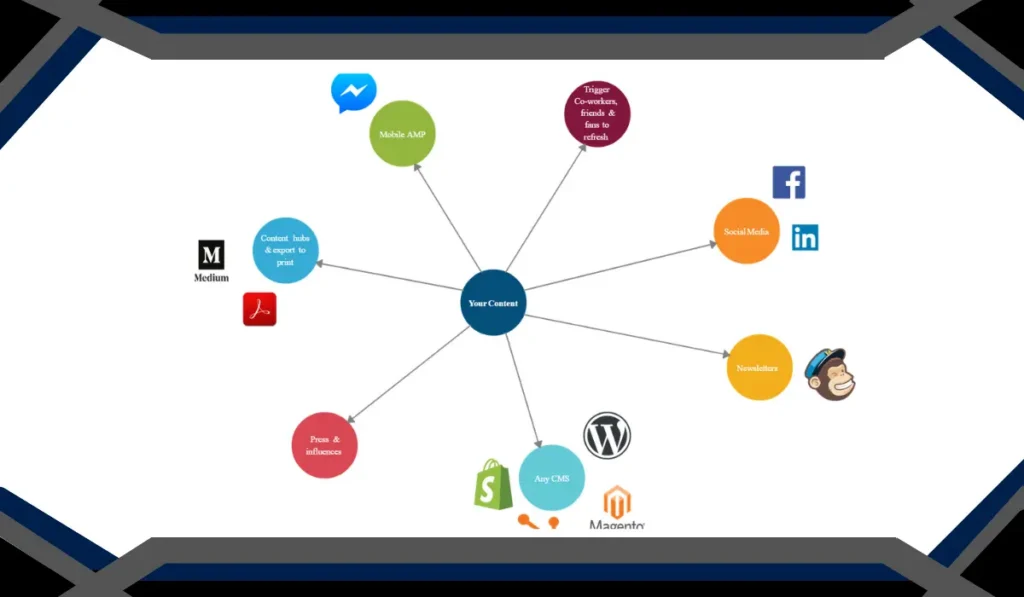
This is where strong Content Distribution Strategies become essential. A well-planned distribution system ensures your content reaches the right audience at the right time through the right channels. Instead of relying solely on search engine rankings, modern marketers amplify visibility through email marketing, social platforms, partnerships, repurposing, communities, and SEO-driven syndication.
Brands that consistently grow organic traffic understand one important truth: distribution is as important as creation. If your goal is to increase brand authority, generate sustainable traffic, and improve engagement without depending heavily on paid advertising, the right approach to content distribution can transform your results.
This article explores practical methods that help multiply organic reach while improving long-term search visibility.
Why Content Distribution Matters for Organic Growth
Publishing a blog post and waiting for traffic is no longer an effective strategy. Search engines evaluate content quality, relevance, engagement signals, backlinks, and user interaction. Distribution helps strengthen all these factors.
When content reaches more audiences organically, it generates:
- Increased website visits
- Longer session durations
- More backlinks
- Greater social sharing
- Improved brand recognition
- Higher search rankings
- Better lead generation opportunities
Distribution also accelerates indexing and discovery. Search engines often notice content faster when users interact with it across multiple platforms.
The biggest advantage is sustainability. Unlike paid campaigns that stop generating traffic once budgets run out, organic distribution builds momentum over time.
Build Content Around Audience Intent
Before distributing content, ensure the material matches audience intent. Content that solves specific problems naturally earns more engagement and shares.
There are four primary forms of search intent:
Informational Intent
Users want answers, guides, tutorials, or insights.
Navigational Intent
Users search for a specific brand, platform, or website.
Transactional Intent
Users are ready to buy or compare products.
Commercial Investigation
Users research solutions before making a decision.
Understanding intent helps create highly relevant articles that people actually want to share and revisit.
For example, long-form educational content often performs well on LinkedIn and email newsletters, while visual tutorials may gain traction on Instagram or YouTube.
The better the alignment between audience intent and platform selection, the stronger the organic performance.
Optimize Content for Multi-Channel Publishing
One of the most effective Content Distribution Strategies is adapting a single asset into multiple formats.
A single blog post can become:
- LinkedIn posts
- Twitter threads
- Infographics
- Email newsletters
- YouTube videos
- Podcast episodes
- Slide presentations
- Community discussion topics
- Short-form video clips
This approach maximizes exposure without requiring entirely new content creation each time.
For example, a detailed SEO article can be converted into:
- A carousel post summarizing key insights
- A short video highlighting actionable tips
- A downloadable checklist
- An email sequence
- A webinar discussion topic
Repurposing improves consistency while reaching audiences who consume information differently.
Focus on SEO-Friendly Distribution Channels
Not all distribution platforms contribute equally to organic visibility. Some channels directly influence discoverability and long-term search performance.
Medium and Industry Publications
Publishing condensed versions of your articles on trusted industry websites can expose your brand to wider audiences.
Use canonical tags or rewritten summaries to avoid duplicate content issues.
LinkedIn Articles
LinkedIn remains one of the strongest organic distribution platforms for B2B brands. Thought leadership articles often gain visibility beyond existing followers.
YouTube
Video content supports search visibility because YouTube functions as a search engine itself. Embedding videos into blog posts can also improve dwell time.
Reddit and Online Communities
Communities offer opportunities to share genuinely useful resources. However, promotional content should be avoided.
Email Newsletters
Email subscribers are often your most engaged audience. Consistent newsletters encourage repeat visits and improve content engagement metrics.
Choosing platforms strategically increases both referral traffic and brand authority.
Leverage Employee and Community Advocacy
Many businesses underestimate the power of employee-driven promotion.
Employees collectively possess networks that often exceed a company’s official audience. Encouraging team members to share articles, insights, or company updates can significantly improve organic exposure.
Similarly, brand communities create compounding reach.
Communities can include:
- Slack groups
- Facebook groups
- Discord servers
- LinkedIn communities
- Niche forums
- Professional associations
The key is participation before promotion.
Brands that consistently provide helpful insights naturally earn trust and visibility. Over time, community engagement strengthens authority signals that influence search performance.
Use Strategic Internal Linking
Internal linking remains one of the most overlooked growth techniques.
Strong internal links help:
- Guide users through related topics
- Increase page views
- Improve crawl efficiency
- Distribute page authority
- Reduce bounce rates
- Strengthen topical relevance
When publishing new content, link it to older high-performing articles. Likewise, update existing pages with links to recent posts.
This creates a connected content ecosystem that search engines can understand more effectively.
Topic clusters are especially valuable.
For example, a pillar article about SEO can connect to subtopics like:
- Technical SEO
- Keyword research
- Link building
- Content marketing
- User experience optimization
This structure improves authority within a specific niche.
Repurpose Evergreen Content Regularly
Evergreen content continues generating traffic months or even years after publication.
Rather than constantly creating new material, revisit existing high-performing content and update it.
You can:
- Add new statistics
- Refresh outdated examples
- Improve formatting
- Include expert quotes
- Expand sections
- Optimize for new keywords
- Add multimedia elements
Refreshing evergreen content often results in ranking improvements because search engines favor updated and relevant information.
Republishing updated versions through social channels and newsletters also renews engagement.
This process extends the lifespan of valuable assets while increasing cumulative traffic.
Create Shareable Visual Assets
Visual content dramatically improves distribution performance.
Readers are more likely to share:
- Infographics
- Charts
- Data visualizations
- Checklists
- Templates
- Short videos
- Memes with educational value
Visual assets also attract backlinks when other websites reference them.
To maximize results:
- Use branded graphics
- Include concise messaging
- Prioritize mobile-friendly design
- Add embed codes for infographics
- Optimize image alt text for SEO
Search engines increasingly value multimedia engagement. Visual content therefore contributes to both discoverability and user retention.
Collaborate With Industry Influencers
Partnership-based promotion is one of the fastest ways to expand organic reach.
Influencer collaborations do not always require large budgets. In many industries, micro-influencers and niche experts generate stronger engagement than large celebrity accounts.
Collaboration ideas include:
- Expert roundups
- Podcast interviews
- Joint webinars
- Co-authored articles
- Social media takeovers
- Collaborative newsletters
Featuring industry voices also increases credibility.
When contributors share content with their own audiences, your reach multiplies naturally.
This creates a network effect that improves visibility and backlink opportunities.
Prioritize Distribution Timing
Timing plays a major role in organic performance.
Even high-quality content may underperform if distributed when audiences are inactive.
Analyze platform-specific engagement trends.
For example:
- LinkedIn often performs well during weekday mornings
- Instagram engagement may peak during evenings
- Email open rates can vary by industry
- Reddit activity depends on subreddit behavior
Scheduling tools help maintain consistency while optimizing timing.
However, real-time interaction remains important. Responding quickly to comments and discussions increases engagement signals and encourages algorithmic amplification.
Develop a Search-Driven Content Ecosystem
Successful brands rarely publish isolated content.
Instead, they build interconnected ecosystems where every piece supports another.
A strong ecosystem includes:
- Pillar pages
- Supporting blogs
- Video explainers
- Email sequences
- Downloadable resources
- FAQ content
- Social snippets
- Community discussions
This integrated structure strengthens topical authority.
Search engines increasingly reward websites that demonstrate comprehensive expertise within a subject area.
A content ecosystem also improves user journeys because visitors can explore related topics seamlessly.
Measure Distribution Performance Consistently
Effective Content Distribution Strategies rely on continuous optimization.
Tracking performance reveals which channels generate the highest engagement and conversions.
Important metrics include:
- Organic traffic growth
- Referral traffic
- Click-through rates
- Average session duration
- Social shares
- Backlinks earned
- Email engagement
- Keyword rankings
- Conversion rates
Use tools like:
- Google Analytics
- Google Search Console
- Ahrefs
- Semrush
- HubSpot
- Buffer
- LinkedIn analytics
Data-driven decisions allow marketers to refine distribution efforts and focus on high-performing channels.
Encourage User-Generated Content
User-generated content expands reach organically because audiences trust peer recommendations.
Encourage customers and followers to:
- Share experiences
- Post reviews
- Create testimonials
- Participate in challenges
- Tag your brand
- Submit case studies
User participation generates authentic visibility while reducing promotional fatigue.
Brands that build active audiences often experience stronger engagement signals, which indirectly support SEO performance.
Combine SEO and Social Media Distribution
SEO and social media are most effective when integrated.
Social engagement can:
- Drive immediate traffic
- Increase visibility
- Generate backlinks
- Improve content discovery
- Attract journalists and bloggers
Meanwhile, optimized blog content gives social campaigns long-term value.
For best results:
- Use keyword-rich headlines
- Write compelling meta descriptions
- Add social sharing buttons
- Optimize images
- Use schema markup
- Include strong calls to action
Integrated strategies create both short-term engagement and long-term search visibility.
Avoid Common Distribution Mistakes
Many brands reduce their potential reach because of avoidable errors.
Over-Promotion
Constant self-promotion can reduce audience trust.
Ignoring Platform Differences
Every platform requires a different communication style.
Inconsistent Publishing
Irregular posting weakens audience engagement.
Neglecting Analytics
Without data analysis, optimization becomes impossible.
Failing to Repurpose Content
Reusing valuable content is essential for scaling reach efficiently.
Avoiding these mistakes creates stronger long-term results.
The Future of Organic Content Distribution
Content distribution continues evolving as algorithms prioritize relevance, authority, and user engagement.
Artificial intelligence, personalized recommendations, voice search, and predictive analytics are reshaping how users discover information.
Brands that adapt early will gain a competitive advantage.
Future-focused strategies should emphasize:
- Personalized experiences
- Multi-format content
- Community engagement
- Search intent optimization
- First-party audience building
- AI-assisted content workflows
Despite technological changes, one principle remains constant: useful content distributed effectively will always outperform content that remains unseen.
Conclusion
Creating great content is only the first step toward organic growth. Sustainable visibility comes from strategic distribution across multiple channels, formats, and audience touchpoints.
Businesses that invest in thoughtful promotion, repurposing, community engagement, and SEO integration position themselves for long-term success.
The most effective Content Distribution Strategies focus on delivering value consistently while expanding reach through interconnected platforms and audiences.
As competition for attention continues increasing, brands that master distribution will not only improve search rankings but also build stronger authority, trust, and audience loyalty over time.
By combining SEO best practices with smart promotional techniques, companies can multiply their organic reach and create a scalable content engine that drives continuous growth.
Also Read: Best Web Design Practices for Better User Experience and Conversions