In a world full of glowing smartwatches that bombard you with notifications and drain batteries quickly, many people want a simpler way to track health without distractions. Enter the Google Fitbit Air , a $99 screen-free fitness tracker that emphasizes comfort, continuous monitoring, and useful insights over flashy features. Launched in 2026, the Google Fitbit Air has gained attention as a strong alternative for those tired of traditional wearables. But does it live up to the hype as the ultimate screenless smartwatch replacement?
This guide covers the Google Fitbit Air’s design, performance, real-world pros and cons, and comparisons to competitors to help you decide if it fits your lifestyle.
The Rise of Screen-Free Wearables
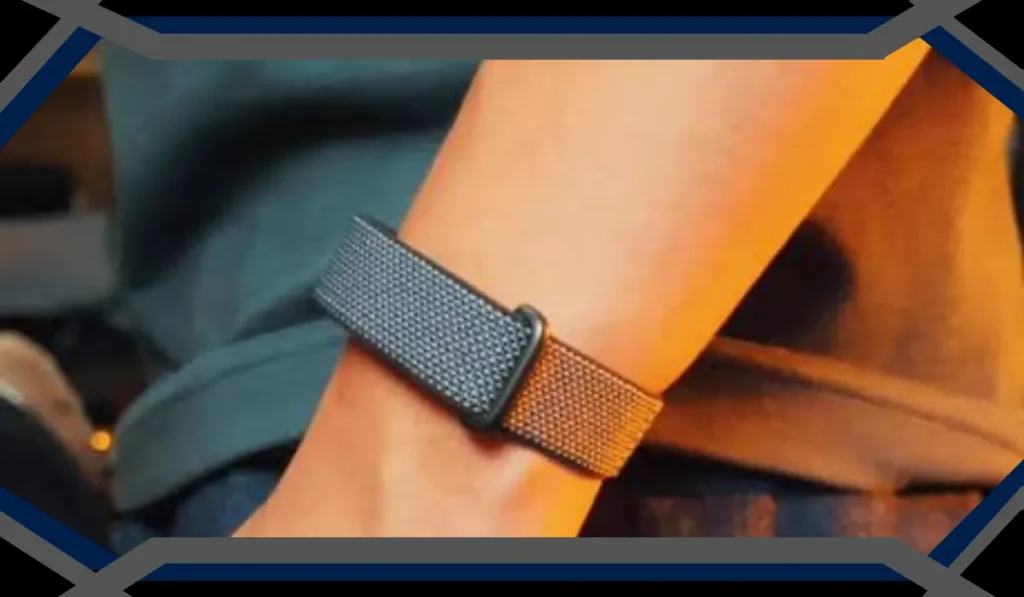
Smartwatches like the Apple Watch and Google Pixel Watch offer convenience but often bring constant distractions, bulky designs, and daily charging. The Google Fitbit Air takes a different path: it eliminates the screen entirely for pure passive health tracking. Inspired by friendship bracelets, it uses a tiny removable “pebble” sensor in a flexible band. Weighing just 12 grams, you’ll barely notice it on your wrist , ideal for 24/7 wear.
Google design director Jonah Becker recently noted that strong reception validates the screen-free approach. The vision is an “ambient fitness tracker” that supports health quietly without demanding attention.
Key Features and Specs of the Google Fitbit Air
Priced at an accessible $99, the Google Fitbit Air excels in core health metrics without locking essential data behind a paywall:
- Continuous Tracking: 24/7 heart rate, blood oxygen (SpO₂), sleep stages and scores, steps, distance, and calories.
- Battery Life: Up to 7–8 days on a single charge, with a quick 5-minute top-up providing a full day of use.
- Sensors and Alerts: Advanced optical heart rate monitoring, haptic vibration alarms for gentle wake-ups, and automatic workout detection.
- Compatibility: Works seamlessly with both Android and iOS via the Google Health app.
Unlike many rivals, the Google Fitbit Air delivers core functionality completely free after the one-time $99 purchase. You get full access to steps, heart rate, sleep insights, and basic activity data right away. This is a refreshing contrast to subscription-heavy competitors.
For advanced features, the optional Google Health Premium subscription costs $10/month or $100/year (often with a 3-month trial). It unlocks Gemini AI coaching and deeper analytics.
Design and Everyday Comfort
Comfort is where the Google Fitbit Air truly shines. The lightweight pebble design and soft, flexible bands make it ideal for all-day (and all-night) wear, including during sleep. Users and reviewers frequently report forgetting they’re wearing it , a rare compliment in wearable tech.
The modular system allows easy swapping between bands, and Google even released hardware design guidelines so enthusiasts can create custom 3D-printed options. This level of personalization adds fun and practicality that bulkier smartwatches can’t match.
Performance in Real-World Testing
Early reviews praise the Google Fitbit Air’s sleep tracking accuracy and reliable heart rate monitoring for daily activities. Automatic workout detection works well for most sessions, though low-intensity efforts may need manual logging in the app.
Battery life typically reaches 5–7 days in mixed use, beating most smartwatches. Connected GPS (via your phone) delivers solid outdoor tracking without extra bulk or battery drain.
Some users report occasional quirks like inconsistent step counting, and you’ll need your phone nearby for the best experience. These are minor issues for casual users but worth noting for serious athletes.
How the Google Fitbit Air Compares to Rivals
To understand its position, here’s how the Google Fitbit Air compares to popular alternatives, with a focus on total cost of ownership:
Vs. Whoop 5.0: The Google Fitbit Air delivers similar screen-free tracking at a much lower long-term cost. Whoop requires a subscription starting at ~$199/year, while the $99 Google Fitbit Air offers strong core features for free. Whoop leads in advanced athletic recovery, but the Air is better for everyday users seeking simplicity and value.
Vs. Oura Ring: Both focus on passive monitoring, but the Google Fitbit Air is wrist-based, more affordable at $99 upfront, and doesn’t require extra subscription fees.
Vs. Fitbit Charge 6 or Pixel Watch: Choose these if you want a screen or built-in GPS. The Google Fitbit Air prioritizes minimalism , perfect if you already carry your phone and prefer a “set it and forget it” device.
Vs. Apple Watch: The Air eliminates notifications for better focus and mental well-being, though it lacks smartwatch conveniences.
Overall, the Google Fitbit Air hits a sweet spot for users who want reliable health data without another glowing screen on their wrist , especially at its competitive $99 price.
The Role of Google Health Premium
While not required, the optional Google Health Premium subscription (~$10/month or $100/year, often with a 3-month trial) unlocks Gemini AI-powered coaching. This includes personalized insights, adaptive workout plans, deeper recovery analysis, and proactive health guidance that adapts to your lifestyle.
Many reviewers find the AI coach genuinely helpful for turning raw data into actionable advice , something that elevates the experience beyond basic tracking. For casual users, the free tier after the $99 purchase suffices; for those seeking motivation and optimization, Premium adds significant value.
Potential Drawbacks to Consider
No device is perfect. The Google Fitbit Air’s lack of a screen means no quick time checks or on-wrist stats , you’ll rely on your phone. It also skips built-in GPS, which may disappoint dedicated outdoor athletes. Some early users reported minor launch bugs (mostly addressed via updates) and band comfort variations depending on fit and material.
Accuracy during high-intensity intervals can lag behind chest straps in edge cases due to sampling rates, though it performs excellently for daily use.
Who Should Buy the Google Fitbit Air?
The Google Fitbit Air is an excellent choice for:
- Busy professionals seeking distraction-free health insights.
- People transitioning away from smartwatches for better sleep and focus.
- Budget-conscious users wanting quality tracking at $99 without mandatory subscriptions.
- Anyone prioritizing comfort and long battery life over advanced smart features.
It may not suit hardcore athletes needing real-time metrics or those who rely heavily on watch faces and apps.
Pro Tips for Getting the Most Out of Your Google Fitbit Air
To maximize accuracy and enjoyment:
- Experiment with band tightness and materials for optimal sensor contact.
- Keep your phone nearby during activities for better GPS and data sync.
- Use the Google Health app’s settings to fine-tune notifications and goals.
- Take advantage of the customization options with official guidelines for DIY bands.
- Charge proactively every 5–6 days to maintain the best experience.
These small habits help overcome minor limitations and deliver reliable, long-term value from your $99 investment.
The Future of Minimalist Wearables
The positive response to the Google Fitbit Air suggests screen-free designs have strong staying power. By combining Fitbit’s health expertise with Google’s AI capabilities, the device represents a thoughtful evolution in personal wellness tech.
If you’re overwhelmed by notifications and constant screen time, the Google Fitbit Air offers a refreshing, effective alternative that puts your health data in the background where it belongs , supporting you quietly throughout the day and night.
Final Verdict
For most people seeking a lightweight, affordable $99 health tracker with optional Premium upgrades, the Google Fitbit Air stands out as one of the best options in 2026. It may not replace every smartwatch function, but for many, that’s precisely the point.
Ready to simplify your wearable game? The Google Fitbit Air could be exactly what you’ve been waiting for.