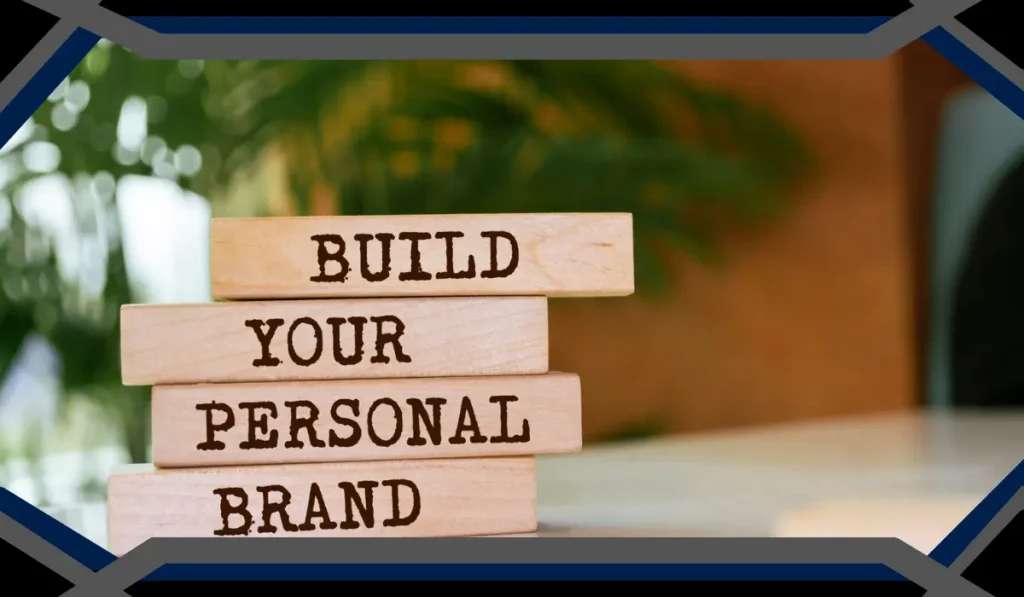
If you want to build a personal brand in 30 days and get noticed online fast, you need a focused strategy that combines clarity, consistency, and visibility across the right platforms. In today’s digital-first world, attention is the new currency, and your personal brand is what determines whether people trust, follow, or ignore you. Whether you’re a freelancer, entrepreneur, job seeker, or content creator, your online presence can open doors that traditional resumes and cold outreach cannot.
The good news is that you don’t need years to establish credibility. With intentional daily actions, you can create a strong foundation that positions you as someone worth paying attention to. The next 30 days are about shaping perception, building authority, and ensuring that when people search for you, they find something meaningful.
Week 1–2: Define Your Identity and Positioning Online
The first step in the journey to build a personal brand is clarity. Without a clear identity, your content and online presence will feel scattered, making it difficult for people to understand who you are and what you stand for.
Start by identifying three core elements: your niche, your audience, and your value proposition. Your niche is the specific area where you want to be known. Your audience is the group of people you want to serve or attract. Your value proposition is the unique insight, skill, or perspective you bring to that audience.
Once you define these, align your digital presence accordingly. This includes your profile pictures, bios, headlines, and even usernames across platforms like LinkedIn, X (Twitter), Instagram, or TikTok. Consistency is key because people trust what feels familiar and intentional.
During this phase, focus on:
- Crafting a clear one-line personal positioning statement
- Updating all social profiles to reflect your niche
- Studying 5–10 people in your industry to understand positioning trends
- Identifying 2–3 content themes you will consistently talk about
This stage is less about visibility and more about internal alignment. If you skip it, your efforts later will lack direction and impact.
Week 2–3: Build Authority Through Content and Visibility
Once your foundation is set, the next step is to build a personal brand that people actually see. Authority is not claimed; it is demonstrated through consistent, valuable content that solves problems or sparks meaningful conversations.
At this stage, your focus should shift to content creation. You don’t need to go viral; you need to show up consistently with value-driven insights. Choose one or two primary platforms where your audience is active and commit to posting daily or at least five times per week.
Your content should fall into three categories: educational, personal, and opinion-based. Educational content teaches something useful. Personal content builds relatability and trust. Opinion content positions you as someone with perspective and confidence in your niche.
To keep your strategy simple and effective:
- Share lessons from your experiences or learning journey
- Break down complex ideas into simple explanations
- Comment meaningfully on trends in your industry
- Document your progress instead of waiting for perfection
Engagement also plays a critical role. Respond to comments, interact with other creators, and join conversations in your niche. Visibility grows faster when you are not just posting but actively participating in your ecosystem.
Remember, consistency beats intensity. Posting every day for 30 days is far more powerful than posting occasionally with high effort.
Week 3–4: Grow Reach, Engagement, and Online Recognition
By the third week, your focus should shift from creation to amplification. This is where your efforts start compounding, and your build a personal brand strategy becomes more visible to a wider audience.
At this stage, collaboration and distribution become essential. Engage with micro-influencers in your niche by commenting on their posts, sharing insights, or collaborating on content. This helps you tap into existing audiences without starting from zero.
Another powerful strategy is repurposing content. A single idea can become a LinkedIn post, a short-form video, a thread, and even a carousel. This maximizes visibility without requiring additional effort.
You should also optimize your content based on what performs best. Pay attention to engagement metrics such as likes, comments, shares, and saves. Double down on what resonates and refine what doesn’t.
A few practical actions include:
- Turning your best-performing posts into multiple formats
- Collaborating with peers or creators in your niche
- Participating in relevant online communities and discussions
- Creating a simple lead magnet or portfolio page to showcase your work
By now, your name should start appearing in relevant conversations, and your content should begin attracting organic attention.
Final Thoughts: Turning 30 Days into Long-Term Growth
The idea behind this approach is not just to quickly gain attention but to establish a foundation that continues growing beyond the initial 30 days. When you consistently build a personal brand, you shift from being invisible online to becoming a recognizable voice in your niche.
In the final days of your 30-day journey, reflect on what worked, what didn’t, and where your strongest engagement came from. This reflection is critical because it helps you refine your long-term strategy.
The real transformation happens when consistency becomes a habit rather than a challenge. If you continue showing up, refining your message, and engaging with your audience, your personal brand will naturally grow stronger over time.
In the end, success online is not about perfection, it’s about presence. And if you commit fully to this 30-day system, you will not only gain visibility but also set the foundation for lasting digital influence.