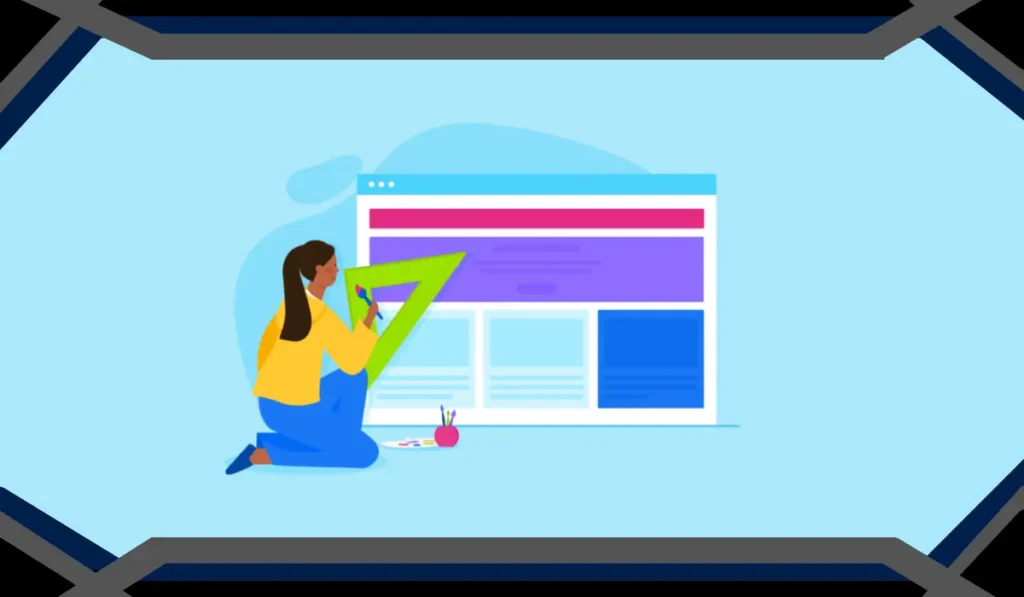
Modern Web Design plays a crucial role in shaping how users interact with digital products in today’s fast-paced online environment. Websites are no longer static pages; they are dynamic experiences that must be visually appealing, intuitive, fast, and accessible across all devices.
At its core, Modern Web Design combines creativity with functionality, ensuring that every visual and structural decision improves usability and user satisfaction. For beginners, understanding UI/UX principles is the first step toward building websites that not only attract attention but also retain users and improve conversions.
What UI and UX Really Mean in Web Design
UI (User Interface) focuses on the visual elements of a website—such as buttons, typography, spacing, colors, and layout. UX (User Experience) focuses on how users feel when interacting with those elements, including ease of navigation, clarity, and satisfaction.
A strong website requires both. A visually attractive design without usability can frustrate users, while a highly functional site without aesthetics may fail to engage them. Modern Web Design merges both aspects to create seamless and meaningful user journeys.
Core Principles of Modern Web Design
Every successful website is built on a set of foundational principles that guide design decisions and improve user engagement.
Simplicity Over Complexity
Clean and minimal layouts help users focus on essential content without distraction. Overcrowded interfaces reduce clarity and increase bounce rates, while simplicity improves usability and professionalism.
Consistency Across the Entire Website
Consistency in fonts, colors, spacing, and UI components creates familiarity and trust. When users move between pages, they should feel like they are interacting with one unified system.
Strong Visual Hierarchy
Visual hierarchy ensures users naturally notice the most important elements first. Designers use size, contrast, and spacing to guide attention and structure information effectively.
User-Centered Thinking
Modern Web Design always begins with the user. Understanding user needs, expectations, and behavior allows designers to create interfaces that solve real problems rather than just looking visually appealing.
Layout and Structure in Web Design
A well-structured layout is the backbone of any effective website.
Grid systems are widely used in Modern Web Design to organize content in a balanced and predictable way. They help maintain alignment and improve readability across different sections.
Whitespace is another essential element. It prevents visual clutter and allows content to breathe, making pages easier to scan and understand.
Responsive structure is equally important. Websites must automatically adjust to different screen sizes, ensuring a smooth experience whether users are on mobile, tablet, or desktop devices.
Typography and Readability
Typography directly influences how users consume content. Poor font choices can make even valuable information difficult to read.
In Modern Web Design, sans-serif fonts are commonly used because they offer clarity on digital screens. However, the key is not just font choice but also hierarchy and spacing.
Headings should stand out clearly from body text, and line spacing should be comfortable enough to reduce strain during reading. Proper typography enhances both readability and overall design aesthetics.
Color Psychology in UI/UX
Color is more than decoration; it communicates emotion and guides user behavior.
Different colors evoke different psychological responses. For example, blue often represents trust and professionalism, while green is associated with growth and balance. Red can create urgency or highlight important actions.
A balanced color palette ensures visual harmony. Many designers follow a structured approach where one dominant color is supported by secondary and accent tones.
Accessibility is also critical. Sufficient contrast between text and background ensures that content remains readable for all users, including those with visual impairments.
UX Principles That Improve User Experience
User experience is the heart of Modern Web Design.
Navigation should always feel natural and intuitive. Users should be able to find what they are looking for without confusion or unnecessary clicks. Clear menus and logical structure are essential.
Website speed also plays a major role. Slow-loading pages frustrate users and often lead to abandonment. Optimizing images, reducing unnecessary scripts, and using efficient hosting improves performance significantly.
Interactive feedback, such as hover effects or form validation messages, helps users understand system responses and builds confidence while interacting with the website.
Mobile-First and Responsive Design
With most users browsing on mobile devices, designing for smaller screens first has become a standard approach.
Mobile-first design ensures that essential content is prioritized and performance remains strong even on limited devices. Once the mobile layout is established, it can be expanded for larger screens.
Responsive design ensures flexibility. Content, images, and layouts automatically adjust to different screen sizes without breaking structure or usability.
Accessibility in Modern Web Design
Accessibility ensures that websites are usable by everyone, including people with disabilities.
Proper semantic HTML structure helps screen readers interpret content accurately. Keyboard navigation allows users to move through a website without a mouse, improving usability for many individuals.
Color contrast and readable font sizes also contribute to accessibility. A truly modern website is inclusive by design, not by adjustment after development.
Performance Optimization for Better UX
Performance is a key ranking factor in search engines and a major contributor to user satisfaction.
Optimizing images reduces load times without sacrificing quality. Minimizing CSS and JavaScript files improves efficiency and speed.
Caching and CDNs (Content Delivery Networks) further enhance performance by delivering content from servers closer to the user, reducing latency and improving load speed.
Essential Tools for Beginners in Web Design
Modern Web Design relies on tools that simplify workflow and improve efficiency.
Design platforms like Figma and Adobe XD allow designers to create and test interfaces before development. Frameworks like Bootstrap and Tailwind CSS help build responsive layouts quickly. Analytics tools such as Google Analytics provide insights into user behavior, helping improve UX decisions over time.
Common Mistakes Beginners Should Avoid
Many beginners make mistakes that negatively impact website performance and usability.
One common issue is overcrowding pages with too many elements, which reduces clarity. Another is ignoring mobile optimization, which leads to poor experiences on smartphones.
Inconsistent typography and weak color contrast also reduce readability and professionalism. Avoiding these mistakes helps create cleaner and more effective designs.
The Future of Modern Web Design
The future of web design is evolving rapidly with advancements in artificial intelligence, automation, and personalization.
Websites are becoming more adaptive, offering personalized content based on user behavior. Micro-interactions, motion design, and immersive interfaces are also becoming more common, making digital experiences more engaging and interactive.
Designers who continuously learn and adapt will stay ahead in this rapidly changing field.
Conclusion
Modern Web Design is a powerful combination of creativity, psychology, and technical precision. By mastering UI/UX principles such as simplicity, consistency, responsiveness, and accessibility, beginners can create websites that perform well and deliver meaningful user experiences.
A strong foundation in design principles, combined with performance optimization and user-focused thinking, ensures long-term success. As the digital landscape continues to evolve, these core principles remain essential for building modern, effective, and high-ranking websites.