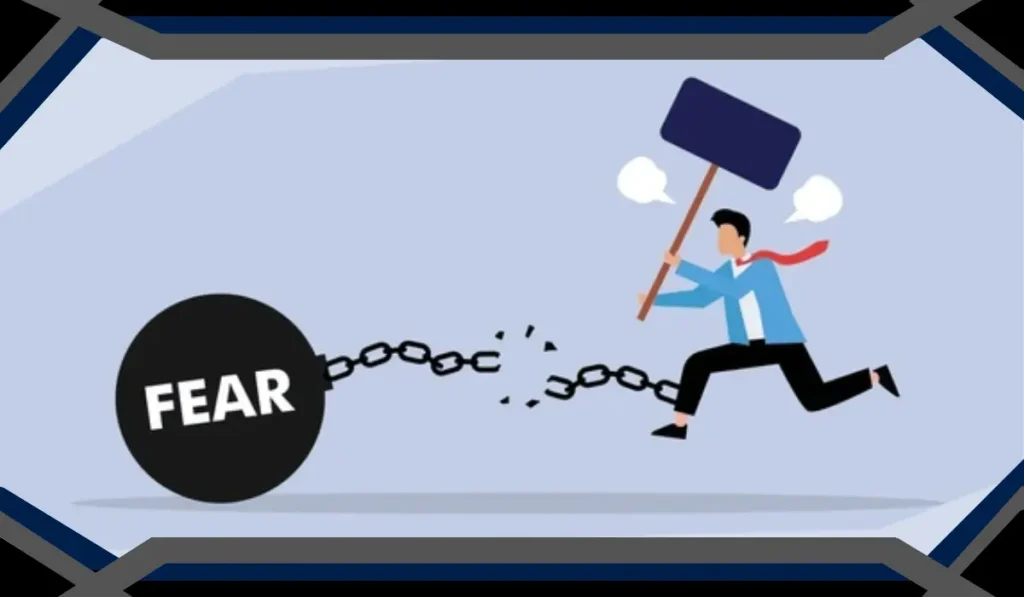
Fear is one of the biggest obstacles standing between people and the life they truly want. It can stop you from pursuing your dreams, taking risks, speaking your mind, or stepping into new opportunities. While fear is a natural human emotion designed to protect us from danger, it often becomes a barrier when it prevents personal growth and success.
Learning how to overcome fear is not about becoming fearless. Instead, it is about developing the courage to move forward despite uncertainty. Every successful entrepreneur, leader, athlete, and innovator has faced fear at some point. The difference is that they chose to act rather than allow fear to control their decisions.
If you want to achieve your goals, build confidence, and unlock your full potential, understanding and overcoming fear is essential. This guide explores practical strategies that can help you break free from fear and create lasting personal growth.
Understanding Fear and Its Impact on Your Life
Fear is deeply rooted in human survival. It triggers the body’s fight-or-flight response whenever the brain perceives a threat. While this mechanism is useful in genuinely dangerous situations, modern fears are often psychological rather than physical.
Many people fear failure, rejection, criticism, uncertainty, or change. These fears may seem harmless at first, but over time they can prevent you from taking important steps toward your goals. Opportunities are missed, talents remain undeveloped, and dreams are postponed because fear convinces people that staying comfortable is safer than taking action.
Understanding the nature of fear is the first step in learning how to overcome fear. Once you recognize that many fears are based on perceived rather than actual threats, they become easier to manage.
What Causes Fear?
Before you can learn how to overcome fear, it is important to understand what causes it. Fear does not appear randomly. It is often triggered by experiences, beliefs, and external influences that shape the way we think and react.
One of the most common causes of fear is past negative experiences. A previous failure, rejection, or disappointment can make people hesitant to try again. The brain remembers painful experiences and attempts to protect us from repeating them.
Another major cause is uncertainty. Human beings naturally prefer predictability, and when the future feels unclear, fear often emerges. Whether it is changing careers, starting a business, or entering a new relationship, uncertainty can create anxiety about what might happen next.
Fear can also stem from low self-confidence. When people doubt their abilities, they become more likely to focus on potential problems rather than opportunities. Negative self-talk and limiting beliefs further reinforce these fears.
Social pressure and fear of judgment are also significant contributors. Many individuals avoid pursuing their goals because they worry about what others may think if they fail. This fear of criticism can prevent people from taking actions that could improve their lives.
Understanding these causes can help you identify the root of your fears and take practical steps to overcome them.
Why Fear Prevents You from Reaching Your Full Potential
Fear often disguises itself as caution, perfectionism, or procrastination. Instead of openly admitting that we are afraid, we tell ourselves that the timing isn’t right or that we need more preparation before taking action.
The problem is that fear creates a cycle of avoidance. Every time you avoid a challenging situation, your brain interprets that avoidance as confirmation that the situation is dangerous. As a result, the fear becomes stronger.
This cycle can affect every area of life, from career growth and financial success to relationships and personal development. The longer fear remains unchallenged, the more influence it gains over your choices and future outcomes.
How to Overcome Fear by Identifying Its Root Cause
One of the most effective ways to overcome fear is to understand where it comes from. Many fears are linked to past experiences, limiting beliefs, or assumptions about what might happen in the future.
Take a moment to examine your fear honestly. Ask yourself what outcome you are truly afraid of and why it concerns you. Often, the fear beneath the surface is different from the fear you initially identify.
For example, a fear of public speaking may actually be a fear of embarrassment or rejection. A fear of starting a business may stem from concerns about failure or financial loss. By identifying the root cause, you can address the real issue rather than its symptoms.
Change the Story You Tell Yourself
The way you think about yourself plays a major role in determining whether fear controls your actions. Negative self-talk fuels fear and reinforces self-doubt.
When people repeatedly tell themselves that they are not capable, smart enough, or talented enough, they begin to believe those thoughts as facts. These limiting beliefs become mental barriers that prevent growth and achievement.
To master how to overcome fear, start paying attention to your internal dialogue. Replace negative assumptions with constructive and realistic thoughts. Instead of focusing on what could go wrong, remind yourself of your strengths, past achievements, and ability to learn from challenges.
Over time, this shift in thinking can dramatically improve confidence and reduce fear-driven decision-making.
The Power of Taking Action Despite Fear
One of the biggest misconceptions about courage is that courageous people do not experience fear. In reality, courage means taking action even when fear is present.
Waiting for fear to disappear before taking action often leads to endless delays. Confidence is rarely a prerequisite for action; it is usually the result of action.
Each time you confront a fear, you gather evidence that you are capable of handling challenges. Even if things do not go perfectly, the experience helps build resilience and confidence. Small actions taken consistently can gradually transform fear into strength.
When exploring how to overcome fear, remember that progress is more important than perfection. Every step forward weakens fear’s hold over your life.
Embracing Failure as a Learning Opportunity
Fear of failure is one of the most common reasons people avoid pursuing their goals. Many individuals view failure as proof that they are not good enough, which creates intense pressure to avoid mistakes at all costs.
However, failure is often one of life’s greatest teachers. Every setback provides valuable lessons that can improve future performance and decision-making. The world’s most successful people have experienced failures, disappointments, and obstacles before achieving success.
Rather than asking, “What if I fail?” Consider asking, “What can I learn from this experience?” This simple shift in perspective can make challenges feel less intimidating and more manageable.
Building Confidence Through Consistent Growth
Confidence is not something people magically acquire overnight. It develops through repeated experiences that demonstrate your ability to handle challenges and adapt to change.
As you continue stepping outside your comfort zone, your confidence naturally increases. Situations that once felt overwhelming begin to feel manageable because you have already proven to yourself that you can handle discomfort and uncertainty.
Personal growth occurs when you regularly challenge yourself to learn, improve, and expand your abilities. Every new skill you develop and every obstacle you overcome strengthens your belief in yourself.
This ongoing process is a crucial part of understanding how to overcome fear and unlock greater potential.
The Importance of a Growth Mindset
People with a growth mindset believe that abilities can be developed through effort, practice, and learning. They see challenges as opportunities rather than threats.
A growth mindset helps reduce fear because it shifts attention away from immediate results and toward long-term improvement. Instead of worrying about being perfect, you focus on becoming better.
When setbacks occur, individuals with a growth mindset view them as part of the learning process rather than evidence of failure. This perspective creates resilience and encourages continued action despite uncertainty.
Developing this mindset can significantly improve your ability to overcome fear and pursue ambitious goals.
Visualizing Success and Positive Outcomes
Visualization is a technique used by high performers across various fields. By mentally rehearsing success, you train your mind to become more comfortable with challenging situations.
When preparing for an important event, imagine yourself performing confidently and achieving a positive outcome. Picture the details clearly and focus on the feelings of success and accomplishment.
Although visualization alone will not eliminate fear, it can reduce anxiety and increase confidence when combined with consistent action.
How to Overcome Fear and Create Lasting Change
Overcoming fear is not a one-time achievement. It is an ongoing process that requires self-awareness, courage, and persistence. There will always be moments of uncertainty and discomfort, especially when pursuing meaningful goals.
The key is to stop viewing fear as a signal to retreat. Instead, see it as evidence that you are moving beyond your current limitations and entering a space where growth is possible.
When you learn how to overcome fear, you gain the ability to pursue opportunities with confidence, recover from setbacks more effectively, and achieve goals that once seemed out of reach. Fear may never disappear completely, but it no longer has to dictate your choices.
Conclusion
Your greatest potential lies beyond the boundaries of fear. Every major achievement begins with a decision to move forward despite uncertainty. Whether your fear involves failure, rejection, criticism, or change, it does not have to define your future.
By understanding the causes of fear, challenging limiting beliefs, taking action consistently, and adopting a growth mindset, you can develop the confidence needed to create meaningful change. Learning how to overcome fear empowers you to unlock opportunities, achieve your goals, and live with greater purpose.
The journey may not always be easy, but every step you take beyond fear brings you closer to the person you are capable of becoming.
Also Read: Top Interview Tips to Impress Recruiters and Land Your Next Job Faster