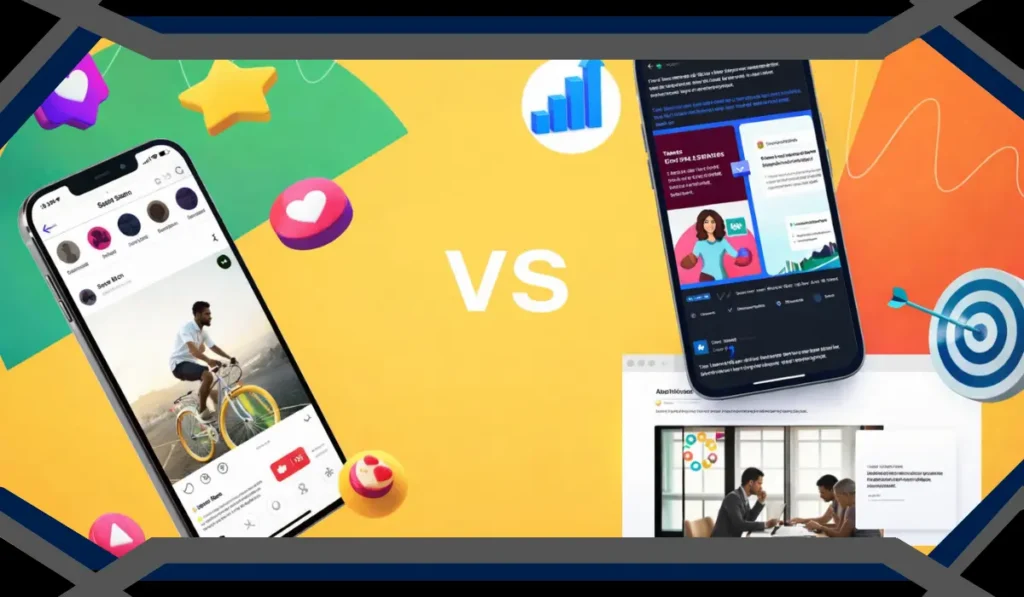
Understanding the difference between Social Media Content and Marketing Content is essential for businesses aiming to build a strong online presence in today’s digital landscape. While both play vital roles in brand growth, they serve distinct purposes, audiences, and strategies.
What Is Social Media Content?
Social media content refers to the material created specifically for platforms like Instagram, TikTok, X (Twitter), LinkedIn, and Facebook. Its primary goal is engagement-sparking conversations, building community, and encouraging immediate interactions such as likes, comments, shares, and saves.
This type of content is usually short-form, visually appealing, and timely. Think quick reels, behind-the-scenes stories, polls, memes, or user-generated content. The tone is often casual, conversational, and personality-driven. Algorithms on social platforms reward consistency, authenticity, and relevance, pushing brands to post frequently to stay visible in users’ feeds.
Social media content thrives on trends, real-time events, and emotional connections. A fitness brand might post a 15-second workout tip or a customer transformation story to keep followers entertained and loyal. The focus is less on direct selling and more on fostering relationships and humanizing the brand.
What Is Marketing Content?
Marketing content, on the other hand, is strategically designed to guide potential customers through the buyer’s journey. It includes blog posts, ebooks, whitepapers, email newsletters, case studies, webinars, and long-form videos. Its main objective is to educate, inform, persuade, and ultimately drive conversions-whether that’s lead generation, sales, or brand authority.
This content tends to be more in-depth, SEO-optimized, and evergreen. It addresses pain points, provides solutions, and showcases expertise. For example, the same fitness brand might create a comprehensive guide on “How to Build Sustainable Workout Habits” hosted on their website or distributed via email campaigns.
Marketing content often lives on owned channels like company websites, landing pages, or gated resources. It supports long-term strategies and works effectively with search engines, allowing brands to attract organic traffic over months or years.
Core Differences Between Social Media Content and Marketing Content
While both content types aim to connect with audiences, their approaches differ significantly in several ways.
Purpose and Goals Social media content prioritizes immediate engagement and brand awareness. It aims to stop the scroll and create quick emotional responses. Marketing content focuses on nurturing leads and driving measurable business outcomes like sign-ups, purchases, or loyalty.
Format and Length Social media favors bite-sized, multimedia formats that perform well on mobile. Marketing content leans toward longer, detailed pieces that allow for thorough exploration of topics.
Distribution and Lifespan Social posts have a short lifespan—often disappearing from feeds within hours unless boosted. Marketing content has longer staying power, especially when optimized for search engines. A well-written blog post can generate leads for years.
Tone and Style Social media content feels personal and fun. Marketing content maintains a more professional yet approachable voice, positioning the brand as a trusted advisor.
Measurement Metrics Success on social media is measured by reach, engagement rates, comments, and shares. Marketing content success is tracked through conversion rates, time on page, lead quality, and return on investment (ROI).
How Social Media Content Supports Marketing Efforts
Although different, these two content types work best when aligned. Social media content can amplify marketing content by driving traffic to in-depth resources. A catchy Instagram carousel teasing key insights from a new ebook can direct followers to a landing page where they download it in exchange for their email.
Many successful brands use social platforms as the “front door” to introduce their audience to more substantial marketing assets. Short video snippets on TikTok can hook viewers and lead them to full-length YouTube videos or detailed blog articles.
Choosing the Right Strategy for Your Brand
The ideal mix depends on your business goals, target audience, and industry. E-commerce brands might lean heavier on visually striking social media content to showcase products and create urgency. B2B companies often invest more in marketing content like reports and webinars to establish thought leadership.
A balanced approach usually yields the best results. Use social media content to attract and engage a wide audience, then nurture those connections with valuable marketing content that builds trust and drives decisions.
Best Practices for Creating Effective Content
For social media content, maintain consistency in posting schedule and visual identity. Respond quickly to comments to build community. Experiment with trends while staying true to your brand voice. Use analytics to understand what resonates with your followers.
For marketing content, invest time in keyword research and audience pain points. Ensure content is well-researched, properly formatted, and includes clear calls-to-action. Update evergreen pieces regularly to keep them relevant.
Cross-promote intelligently. Share snippets of marketing content on social channels with links back to the full version. Repurpose long articles into thread posts or short videos to maximize reach across both formats.
Real-World Examples
A clothing brand might post daily outfit inspiration on Instagram (social media content) while publishing seasonal trend reports and sizing guides on their blog (marketing content). Followers discover the brand through fun, relatable posts and then turn to detailed content when ready to make a purchase.
Software companies often share quick productivity tips on LinkedIn and X, while offering free trials or in-depth comparisons through gated marketing content. This combination helps them stay top-of-mind while capturing qualified leads.
Common Pitfalls to Avoid
Many businesses make the mistake of treating all platforms the same, posting long sales pitches on social media or ignoring social channels entirely in favor of blog content. Both approaches limit potential.
Another error is creating content in silos. Social teams and marketing teams should collaborate to ensure messaging remains consistent while leveraging the strengths of each format.
Finally, failing to analyze performance data leads to wasted effort. Regularly review what drives engagement versus what drives conversions and adjust strategies accordingly.
The Future of Content Creation
As algorithms evolve and audience expectations shift, the line between social media content and marketing content continues to blur. Short-form video, interactive experiences, and AI-assisted creation are changing how brands produce both types. However, the fundamental distinction remains: social media excels at connection and speed, while marketing content drives depth and action.
Brands that master both will gain a significant competitive advantage. By understanding their unique roles and using them in harmony, businesses can build meaningful relationships and achieve sustainable growth.
In conclusion, recognizing the difference between Social Media Content and Marketing Content allows marketers to allocate resources effectively and craft strategies that deliver results across the customer journey. Start by auditing your current content mix, identifying gaps, and experimenting with integrated campaigns. The brands that succeed tomorrow will be those that entertain, engage, and educate with equal skill today.