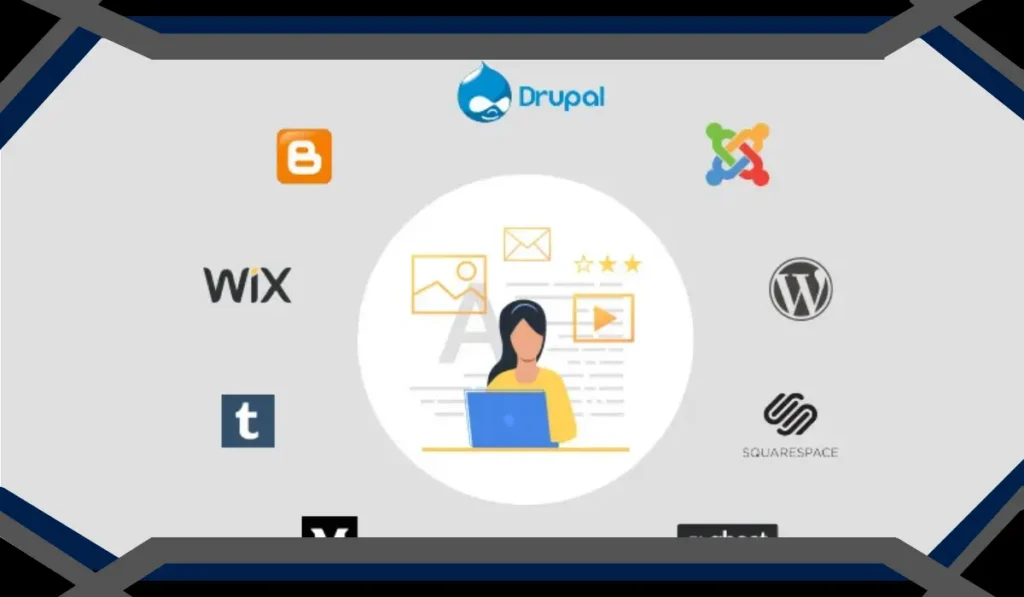
If you are starting a blog in 2026, choosing from the best blogging platforms is the first and most important step toward building a successful online presence. The platform you select will affect your design flexibility, SEO performance, monetization options, and overall ease of use. For beginners, the right choice can mean the difference between staying consistent or giving up early due to technical frustration.
This guide explores beginner-friendly blogging solutions, what makes them effective, and how to choose the right one based on your goals.
Why Choosing the Right Blogging Platform Matters
A blogging platform is the foundation of your website. It determines how easily you can publish content, customize your site, and grow your audience. Beginners often struggle when they pick overly complex systems or platforms that do not scale with their needs.
The best blogging platforms for beginners typically offer simple interfaces, drag-and-drop editing, built-in templates, and strong community support. These features allow new bloggers to focus more on content creation rather than technical setup.
More importantly, a good platform should support search engine optimization (SEO), since ranking on Google is essential for long-term traffic growth. Without SEO-friendly structure, even great content may remain invisible.
WordPress as a Powerful Starting Point
Among all blogging solutions, WordPress remains one of the most widely used tools globally. It comes in two versions: WordPress.com (hosted) and WordPress.org (self-hosted). Beginners often start with WordPress.com due to its simplicity, while more advanced users migrate to WordPress.org for greater control.
WordPress is often considered one of the best blogging platforms because it offers unmatched flexibility through plugins, themes, and customization options. Even beginners can start with minimal setup and later expand their blog into a professional website or business.
One of its strongest advantages is SEO capability. With plugins like Yoast SEO or Rank Math, users can optimize posts easily without technical expertise. This makes WordPress ideal for those who want to grow organic traffic over time.
Wix: Drag-and-Drop Simplicity for New Bloggers
Wix is a beginner-friendly platform known for its intuitive drag-and-drop builder. It allows users to design websites visually without writing any code. This makes it appealing for individuals who want to launch quickly and focus on design rather than technical setup.
While Wix is not always seen as the most advanced option, it still ranks among the best blogging platforms for beginners who prioritize ease of use. It includes built-in hosting, templates, and essential blogging tools.
However, its flexibility can be somewhat limited compared to WordPress, especially when scaling a blog into a large content site. Still, for personal blogs, portfolios, or small niche websites, Wix provides a smooth entry point.
Blogger: A Simple and Free Option
Blogger, owned by Google, is one of the oldest blogging tools available. It is completely free and extremely easy to set up, making it attractive for absolute beginners.
Although its design options are limited, Blogger remains stable and reliable. It integrates well with Google services, which can be helpful for beginners learning SEO basics and analytics.
While it may not offer the advanced features found in other modern tools, it still qualifies as one of the best blogging platforms for users who want a no-cost, no-complexity entry into blogging.
Squarespace: Designed for Visual Storytelling
Squarespace is a premium platform known for its elegant design templates. It is widely used by creatives, photographers, and small business owners who want visually appealing websites without coding.
For beginners who value aesthetics, Squarespace offers a strong balance between usability and design quality. Its all-in-one system includes hosting, templates, and blogging tools in a single package.
Although it has a learning curve slightly higher than Wix, it remains one of the best blogging platforms for users who want polished, professional-looking blogs from day one.
Medium: Focused on Writing and Audience Reach
Medium takes a different approach compared to traditional blogging platforms. Instead of focusing on customization, it prioritizes content distribution and readership. Writers can publish instantly and potentially reach a built-in audience.
This makes Medium attractive for beginners who want to focus purely on writing rather than website management. There is no need to worry about hosting, design, or technical setup.
However, control over branding and monetization is limited. Even so, Medium is still considered among the best blogging platforms for those who want to test content ideas or build writing portfolios quickly.
How to Choose the Right Platform for Your Blog
Selecting the right platform depends on your goals, technical skills, and long-term vision. Beginners should not only think about starting a blog but also about where they want it to go in the future.
If your goal is full control and scalability, WordPress is usually the strongest choice. If you prefer simplicity and fast setup, Wix or Blogger may be better suited. For design-focused blogs, Squarespace provides a premium experience. If writing and exposure matter most, Medium is an excellent starting point.
The best blogging platforms are not just about features-they are about alignment with your personal goals. A platform that works for one person may not work for another, which is why understanding your priorities is essential before committing.
SEO Tips for Beginners Using Blogging Platforms
No matter which platform you choose, SEO plays a major role in your blog’s success. Beginners should focus on creating high-quality, helpful content that answers real user questions. Search engines reward consistency and relevance over time.
It is important to structure blog posts with clear headings, optimize titles, and use keywords naturally throughout the content. Internal linking and mobile-friendly design also improve visibility in search results.
Most of the best blogging platforms now include built-in SEO tools or plugins that simplify optimization. Learning how to use these tools early can significantly improve your chances of ranking higher on Google.
Final Thoughts
Starting a blog has never been easier, but success depends heavily on the platform you choose. Each option offers different strengths, and the right decision depends on your goals, budget, and technical comfort level.
Whether you prioritize simplicity, design, or long-term growth, there is a solution that fits your needs. The best blogging platforms for beginners are those that allow you to publish consistently, learn quickly, and scale over time without unnecessary complexity.
By choosing wisely and focusing on valuable content creation, you set the foundation for a successful blogging journey in 2026 and beyond.