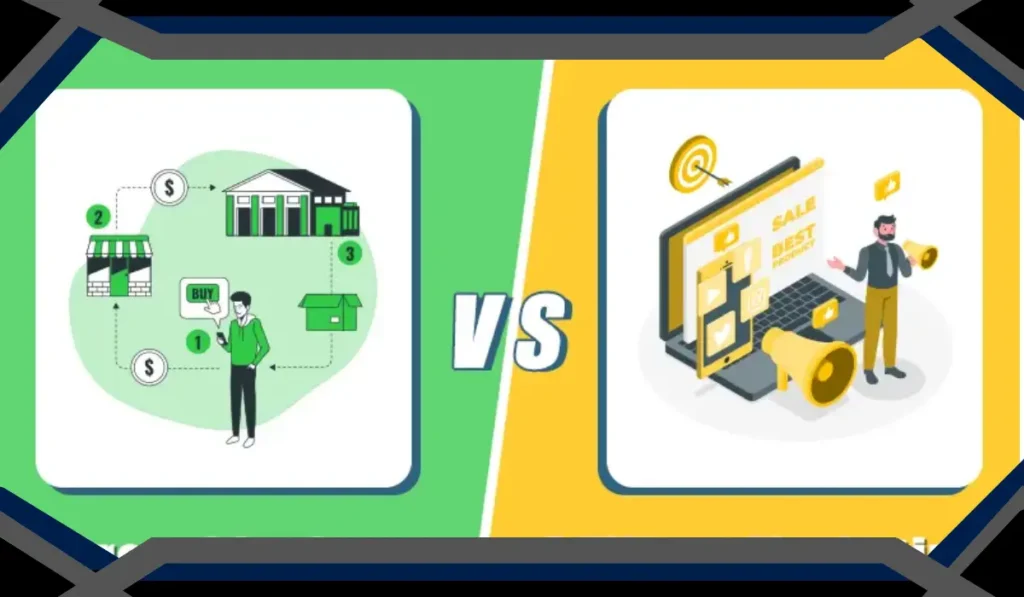
When stepping into the world of online income, one question consistently comes up: Affiliate Marketing vs Selling Products which is better? The answer is not as simple as picking one over the other. Both models offer powerful ways to earn money online, but they differ in effort, scalability, risk, and long term potential.
In this in depth guide, we will break down both approaches so you can decide which path aligns best with your goals, skills, and resources.
Understanding Affiliate Marketing
Affiliate marketing is a business model where you promote other companies products and earn a commission for every sale made through your referral link.
You do not create the product, manage inventory, or handle customer service. Your main job is marketing and driving traffic that converts into buyers.
How It Works
You join an affiliate program, get a unique tracking link, and promote it through platforms like blogs, YouTube, email lists, or social media. When someone clicks your link and makes a purchase, you earn a percentage of the sale.
Why People Choose Affiliate Marketing
The biggest appeal is simplicity. You can start with minimal investment and no need for product development. It is especially attractive for beginners who want to enter the online business world quickly.
However, simplicity does not mean easy. Success depends heavily on your ability to generate traffic and build trust with your audience.
Understanding Selling Products
Selling products involves creating or sourcing your own goods and selling them directly to customers. These products can be physical like clothing or gadgets or digital such as courses, ebooks, or software.
How It Works
You either manufacture your own product, use dropshipping, or purchase inventory. Then you sell through your website, marketplaces, or social platforms.
Why People Choose Selling Products
This model offers more control. You own the brand, set the price, and keep a larger share of the profit. It also allows you to build a long term asset rather than relying on third party programs.
But with control comes responsibility including logistics, customer support, and upfront costs.
Affiliate Marketing vs Selling Products: Key Differences
To truly understand Affiliate Marketing vs Selling Products, you need to look at how they compare across several important factors.
Startup Costs
Affiliate marketing is typically low cost. You might only need a website, hosting, and some marketing tools.
Selling products can require a higher upfront investment especially if you are dealing with inventory, packaging, or branding.
If budget is tight, affiliate marketing often has the advantage.
Profit Margins
Affiliate marketing commissions can range from 5 percent to 50 percent depending on the product. While some high ticket programs offer generous payouts, you are still limited by someone else’s structure.
Selling your own product gives you full control over pricing. This means higher potential profit margins, especially if you optimize production and marketing.
Control and Ownership
This is where selling products stands out.
With affiliate marketing, you are dependent on external companies. They can change commission rates, close programs, or modify terms at any time.
When you sell your own product, you build a brand that you own. That brand can grow into a valuable asset over time.
Risk Level
Affiliate marketing carries lower risk because you are not investing heavily in inventory or production.
Selling products involves more risk such as unsold inventory, returns, and operational challenges that can reduce profits.
If you prefer a safer entry point, affiliate marketing is often the better choice.
Time and Effort
Affiliate marketing requires consistent content creation and marketing efforts. Results can take time especially if you rely on search traffic or organic growth.
Selling products demands effort across multiple areas including product sourcing, fulfillment, customer service, and marketing.
Neither option is easy, but affiliate marketing is generally less complex to manage.
Which Model Is More Scalable
Scalability is a crucial factor when comparing Affiliate Marketing vs Selling Products.
Affiliate marketing scales well because you do not deal with logistics. Once your content gains traction, it can generate income with minimal ongoing effort.
Selling products can also scale, but it often requires systems, automation, and sometimes a team. Scaling operations can become more complex as demand increases.
Long Term Sustainability
Affiliate marketing can be unpredictable. Algorithm changes, competition, and program updates can impact your income.
Selling products offers more stability if you build a loyal customer base. You are not relying on third party decisions, which gives you more long term security.
However, sustainability in either model depends on how well you adapt to changes in the market.
Skill Requirements
Affiliate marketing focuses heavily on content creation, search optimization, and conversion strategies.
Selling products requires a broader skill set including product development or sourcing, branding, customer service, and marketing.
If you enjoy marketing and content, affiliate marketing may suit you better. If you want to build something tangible, selling products could be the right fit.
Passive Income Potential
One of the biggest myths is that affiliate marketing is fully passive.
While it can become passive over time, it requires significant upfront work especially in content creation and search optimization.
Selling products is usually less passive because of ongoing operations unless you automate or outsource heavily.
In terms of passive income, affiliate marketing often has an advantage, but only after consistent effort.
Affiliate Marketing vs Selling Products: Which Is Better for Beginners
For beginners, affiliate marketing is generally the easier entry point. It allows you to learn digital marketing skills without the pressure of managing a full business.
You can test niches, understand audiences, and build confidence with relatively low risk.
Selling products may be more rewarding in the long run, but it comes with a steeper learning curve.
When Selling Products Makes More Sense
Selling products becomes the better choice when you have a unique idea, want to build a long term brand, are willing to invest time and money upfront, and aim for higher profit margins.
It is particularly powerful if you already have an audience that trusts you.
Can You Combine Both Models
Yes, and this is often the smartest strategy.
Many successful entrepreneurs start with affiliate marketing to generate income and learn marketing skills. Then they transition into selling their own products.
You can also do both at the same time by promoting affiliate products alongside your own, using affiliate marketing to test demand before creating a product, and building an audience before launching your own offer.
This approach reduces risk while increasing income potential.
Common Mistakes to Avoid
When exploring Affiliate Marketing vs Selling Products, people often make avoidable mistakes.
One common issue is expecting quick results. Both models require patience and consistent effort.
Another mistake is choosing a niche based only on profit potential rather than interest or expertise which can lead to burnout.
Many beginners also underestimate the importance of audience trust. Whether you are promoting or selling, trust is essential for long term success.
Conclusion
The discussion around Affiliate Marketing vs Selling Products is not about finding a single winner. It is about understanding what works best for your situation.
Affiliate marketing offers simplicity and lower risk, making it ideal for beginners or those focused on content and traffic. Selling products provides control and higher profit potential, making it suitable for those ready to build a brand.
Whichever path you choose, success depends on consistency, learning, and adapting to change. The online business world rewards those who stay committed and keep improving.
If you are just starting out, begin with the option that feels most manageable, but keep your long term vision in mind.
Also Read: The Power of Storytelling in Marketing and How to Use It Effectively