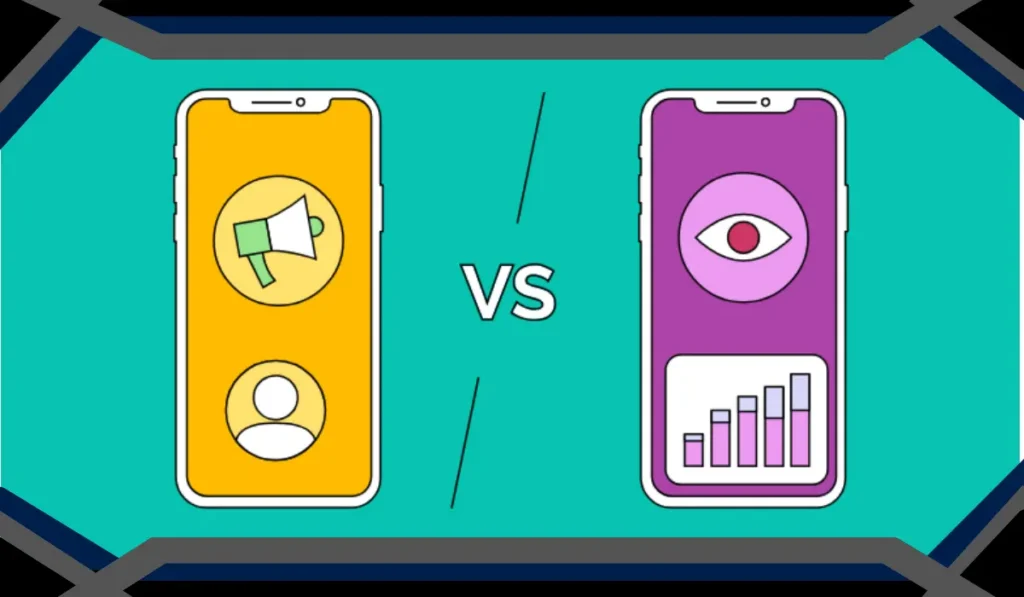
Engagement vs Reach is one of the most debated topics in digital marketing today, especially as brands, creators, and businesses try to understand how to measure success in an increasingly competitive online space. Within the first few seconds of publishing content, most marketers are already asking the same question: should we focus on getting more eyes on our content, or should we focus on how people interact with it once they see it?
The truth is that both metrics matter, but they serve very different purposes. Reach tells you how far your content travels, while engagement tells you how deeply it resonates. Understanding the balance between the two is essential if you want to build a sustainable digital presence rather than chasing vanity metrics that look good on paper but fail to drive real results.
Why Engagement vs Reach Matters in Modern Marketing
In today’s digital ecosystem, platforms are no longer rewarding content purely based on visibility. Instead, algorithms are becoming more sophisticated, prioritizing content that keeps users active and interacting. This shift has made Engagement vs Reach a central discussion point for anyone trying to grow online.
Reach is often the first metric people notice because it reflects exposure. If your post reaches 100,000 people, it feels like success at a glance. However, without meaningful interaction-likes, comments, shares, saves, or even watch time-that reach doesn’t necessarily translate into value. Engagement, on the other hand, reflects how people respond. It shows whether your message actually connects with your audience or simply gets scrolled past.
What makes this debate even more interesting is that reach and engagement are not independent. In most modern platforms, they influence each other. High engagement can lead to higher reach because algorithms interpret interaction as a sign of quality content. At the same time, greater reach can generate more engagement simply because more people are exposed to the content. This creates a cycle where both metrics feed into one another, but not always equally.
Understanding Reach: The Visibility Factor
Reach is essentially the number of unique users who see your content. It is the broadest measure of distribution and is often used as an indicator of brand awareness. If your goal is to introduce your brand to a new audience, reach becomes extremely important.
However, reach alone can be misleading. A piece of content can be shown to thousands or even millions of users without generating any meaningful interaction. This often happens when content is promoted heavily or goes viral for superficial reasons, such as clickbait headlines or trending topics that do not align with audience intent.
The limitation of focusing solely on reach is that it does not tell you anything about the quality of attention. It answers the question “how many people saw it?” but not “did it matter to them?”
This is where the conversation naturally shifts back toward Engagement vs Reach, because visibility without impact rarely leads to long-term growth.
Understanding Engagement: The Depth of Connection
Engagement represents how users interact with your content. This includes actions like commenting, sharing, saving, clicking, or spending time consuming the content. Unlike reach, which is passive, engagement is active. It signals interest, relevance, and emotional connection.
High engagement often indicates that your content is not only being seen but also being felt. It suggests that the audience finds value, whether that value is informational, emotional, or entertaining.
One of the most important aspects of engagement is that it reflects intent. Someone who comments on a post or shares it with their network is doing more than consuming content—they are endorsing it. This endorsement carries more weight than a simple view and often contributes to organic growth over time.
When evaluating Engagement vs Reach, engagement is often considered the stronger indicator of long-term success because it shows whether your audience is truly invested in your message.
The Algorithm Perspective on Engagement vs Reach
Social media algorithms have fundamentally changed how content is distributed. In earlier days of platforms, reach was more linear-you posted content, and it was shown to a set percentage of your audience. Today, algorithms dynamically adjust distribution based on engagement signals.
If a post receives strong early engagement, platforms are more likely to push it to a wider audience. This means engagement can directly influence reach. Conversely, content with low engagement often experiences reduced visibility, even if it initially had strong reach potential.
This creates an important shift in how creators should think about Engagement vs Reach. Rather than treating them as separate goals, they should be viewed as interconnected forces. Engagement is no longer just a result of reach; it is also a driver of it.
Algorithms effectively reward content that keeps users on the platform longer. As a result, meaningful interactions such as comments and shares are weighted more heavily than passive views. This is why content that sparks conversation often performs better than content that simply goes viral without substance.
Quality Audience vs Quantity Audience
Another way to understand the debate around Engagement vs Reach is by looking at audience quality versus audience size. Reach tends to focus on quantity-how many people are exposed to your content. Engagement focuses on quality-how deeply those people connect with it.
A large audience with low engagement often indicates weak relevance. On the other hand, a smaller audience with high engagement suggests strong alignment between content and audience needs.
For businesses and creators, this distinction is critical. A highly engaged niche audience is often more valuable than a broad but disinterested one. Engagement leads to trust, and trust leads to action-whether that action is purchasing a product, subscribing to a service, or sharing content further.
This is why many modern marketing strategies prioritize community building over mass broadcasting. Instead of trying to reach everyone, successful brands focus on reaching the right people and encouraging meaningful interaction.
Measuring Success Beyond Vanity Metrics
One of the biggest challenges in digital marketing is avoiding the trap of vanity metrics. Reach can sometimes fall into this category when it is viewed in isolation. A high reach number may look impressive in reports, but without engagement, it does not necessarily contribute to business objectives.
To truly evaluate performance, marketers need to look at how Engagement vs Reach works together. For example, a campaign with moderate reach but high engagement might outperform a campaign with massive reach but minimal interaction. The reason is simple: engaged users are more likely to convert, return, and advocate for the brand.
This shift in perspective is forcing marketers to rethink what success looks like. Instead of chasing impressions, the focus is increasingly on building relationships. Engagement provides insight into audience sentiment, content relevance, and long-term brand health.
Which Matters More: Engagement or Reach?
The question of which metric matters more does not have a one-size-fits-all answer. It depends on your goals. If your primary objective is awareness, reach plays a more important role. If your goal is conversion, loyalty, or community building, engagement becomes significantly more important.
However, in most modern digital strategies, engagement tends to carry more long-term value. This is because engagement not only reflects audience interest but also fuels algorithmic distribution, which in turn can increase reach organically.
In this sense, Engagement vs Reach is not a competition but a hierarchy of influence. Engagement often drives reach, while reach provides the opportunity for engagement. Without reach, content cannot be discovered. Without engagement, content cannot grow.
The most effective strategies are those that balance both metrics while prioritizing meaningful interaction over superficial visibility.
Building a Strategy That Balances Both
A strong content strategy does not ignore reach, but it does not chase it blindly either. Instead, it focuses on creating content that naturally encourages engagement while still being optimized for discovery.
This means understanding your audience deeply, crafting messages that resonate emotionally or intellectually, and ensuring that your content is accessible enough to be widely distributed. When these elements come together, reach and engagement reinforce each other.
Over time, this creates a compounding effect. Engaged audiences share content more frequently, increasing reach. Increased reach brings in new users, some of whom become engaged. This cycle is what drives sustainable digital growth.
When viewed through this lens, Engagement vs Reach becomes less of a debate and more of a strategic balance that evolves with your goals and audience maturity.
Final Thoughts
In the evolving landscape of digital marketing, focusing solely on visibility is no longer enough. While reach remains important for discovery, engagement is what transforms attention into action. It is what builds communities, strengthens brand loyalty, and ultimately drives long-term success.
The most successful creators and brands are those who understand that Engagement vs Reach is not about choosing one over the other, but about understanding how they interact. Reach opens the door, but engagement invites people to stay, participate, and return.
Also Read: How to Turn Your Skills Into a Personal Business Brand That Attracts Clients