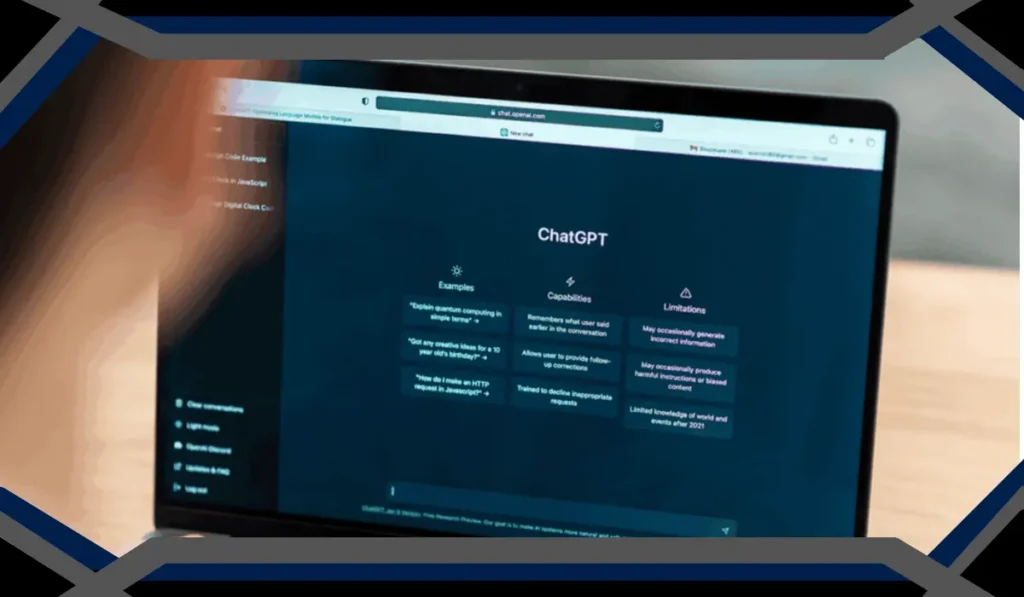
Artificial intelligence is changing the way businesses operate, compete, and grow. Companies that once relied entirely on manual processes are now using AI-powered tools to increase productivity, improve customer engagement, and scale operations faster. Among these tools, ChatGPT has become one of the most valuable resources for modern businesses looking to stay competitive in a digital-first economy.
Businesses of all sizes are integrating ChatGPT into marketing, customer service, sales, operations, and strategic planning. Instead of replacing human teams, ChatGPT works as a productivity partner that helps organizations complete tasks faster and make smarter decisions. As AI adoption continues to rise, companies that learn how to use ChatGPT effectively are gaining a major advantage in efficiency and innovation.
Understanding ChatGPT and Its Business Potential
ChatGPT is an advanced conversational AI developed by OpenAI that can understand prompts, generate content, answer questions, analyze information, and assist with a wide range of business activities. Unlike traditional software tools that perform only one function, ChatGPT can support multiple departments simultaneously.
A marketing team can use it to create SEO content and advertising campaigns, while a sales department may use it for email outreach and lead nurturing. Customer support teams can automate responses, and business owners can use it to brainstorm ideas, analyze trends, and organize workflows.
The flexibility of ChatGPT is one of the main reasons businesses are rapidly adopting AI technology. Instead of hiring multiple specialists for repetitive tasks, companies can use AI to improve output while reducing operational strain.
Why Businesses Are Using ChatGPT for Growth
Modern businesses face increasing pressure to produce more content, respond to customers faster, and remain active across multiple digital channels. At the same time, competition in nearly every industry has become more intense. ChatGPT helps businesses meet these demands without dramatically increasing costs.
One of the biggest advantages of ChatGPT is speed. Tasks that previously took hours can often be completed within minutes. Business owners are using AI to write reports, draft emails, create marketing campaigns, summarize meetings, and generate strategic ideas. This allows teams to spend less time on repetitive work and more time on activities that directly contribute to growth.
Another important factor is scalability. A small business with limited resources can now produce content and communication at a level that once required a much larger team. This creates opportunities for startups and smaller companies to compete more effectively with larger organizations.
Using ChatGPT for Content Marketing
Content marketing remains one of the most effective strategies for attracting customers online. Businesses need consistent, high-quality content to improve visibility on search engines and maintain engagement across digital platforms. However, creating content regularly can be difficult and time-consuming.
ChatGPT simplifies this process by helping businesses generate blog posts, website copy, social media captions, newsletters, product descriptions, and video scripts. Instead of starting from scratch, marketers can use AI-generated drafts as a foundation and then refine them with brand-specific insights and creativity.
SEO content creation is one of the strongest use cases for ChatGPT. Businesses can use it to generate keyword ideas, structure article outlines, create meta descriptions, and answer commonly searched customer questions. This helps improve search engine rankings while reducing the workload involved in content production.
The key to successful AI-assisted content marketing is maintaining originality and relevance. Search engines increasingly prioritize valuable and trustworthy content, so businesses should always add unique expertise, customer insights, and real-world examples to AI-generated material.
Improving Customer Service with ChatGPT
Customer experience plays a major role in business growth. Companies that respond quickly and provide helpful support are more likely to retain customers and build long-term loyalty. ChatGPT helps businesses improve customer communication while reducing response times.
Many companies now use AI-powered chat systems to handle common customer inquiries. These systems can answer frequently asked questions, guide users through basic troubleshooting, and provide information about products or services at any time of day.
This level of automation allows businesses to provide 24/7 support without dramatically increasing staffing costs. It also frees human support teams to focus on more complex customer issues that require personal attention.
In addition to chat support, businesses use ChatGPT to draft professional email responses, create knowledge base articles, and improve help center documentation. The result is a smoother customer experience and faster communication across multiple channels.
How ChatGPT Supports Sales Growth
Sales teams are increasingly turning to AI to improve efficiency and personalization. ChatGPT can help businesses write persuasive sales emails, create follow-up messages, develop outreach campaigns, and generate proposal drafts.
Personalization has become essential in modern sales strategies. Customers are more likely to engage with businesses that understand their needs and communicate directly to their interests. ChatGPT helps sales professionals create tailored messaging at scale, which improves engagement and conversion rates.
Businesses also use AI to organize customer data, summarize client conversations, and identify potential sales opportunities. When integrated with CRM platforms and automation tools, ChatGPT can streamline large portions of the sales process.
For startups and smaller businesses, this can significantly improve productivity without requiring large sales teams.
Enhancing Business Strategy and Decision-Making
Beyond marketing and sales, ChatGPT can also support strategic business planning. Entrepreneurs and executives often use AI to analyze competitors, explore industry trends, brainstorm new ideas, and organize complex information.
For example, a business owner launching a new product may use ChatGPT to identify target audiences, create customer personas, and evaluate potential marketing angles. AI can also help summarize research reports and generate SWOT analyses that support decision-making.
Brainstorming is another area where ChatGPT adds value. Businesses frequently use it to generate ideas for products, campaigns, partnerships, and growth opportunities. While AI should not replace human judgment, it can accelerate the creative process and uncover possibilities that may not have been considered otherwise.
The most successful businesses use ChatGPT as a collaborative tool rather than a replacement for strategic thinking.
Automating Daily Operations
Operational efficiency is essential for sustainable business growth. Companies that reduce repetitive work can focus more energy on innovation and customer relationships. ChatGPT supports automation across many internal business processes.
Businesses use AI to create standard operating procedures, summarize meetings, organize project notes, and generate workflow documentation. Administrative tasks that once consumed valuable hours can now be streamlined with AI assistance.
When combined with platforms like Notion, Slack, and Zapier, ChatGPT becomes even more effective as part of a broader automation system.
This operational support is particularly valuable for small businesses that need to maximize productivity with limited staff.
Best Practices for Using ChatGPT Effectively
Businesses that achieve the best results with ChatGPT understand the importance of clear communication. AI performs better when prompts include detailed instructions, target audience information, desired tone, and specific objectives.
For example, asking ChatGPT to “write a marketing article” may produce a generic response. However, providing context such as audience type, SEO goals, and preferred style leads to much stronger output.
It is also important to review and edit AI-generated content before publishing. While ChatGPT is highly capable, it can occasionally produce inaccurate information or overly generic language. Human oversight ensures quality, originality, and alignment with brand identity.
Companies should also be careful when handling sensitive information. Businesses must avoid sharing confidential customer data or proprietary company details unless proper security measures are in place.
Common Mistakes Businesses Should Avoid
One of the most common mistakes businesses make is relying entirely on AI without adding human insight. While ChatGPT can accelerate work, it cannot fully replace creativity, emotional intelligence, or strategic leadership.
Another issue is publishing AI-generated content without editing. Poorly reviewed content can damage credibility and reduce SEO performance. Businesses should always refine AI drafts to ensure they reflect expertise and authenticity.
Using vague prompts is another common problem. The quality of ChatGPT’s responses depends heavily on the quality of instructions provided. Businesses that learn prompt engineering techniques typically achieve far better results.
The Future of ChatGPT in Business
AI adoption is expected to continue growing across every industry. Businesses are increasingly using ChatGPT not only for content creation but also for workflow automation, customer personalization, predictive analytics, and operational intelligence.
As AI technology becomes more advanced, businesses that integrate tools like ChatGPT into their daily operations will likely gain stronger competitive advantages. Companies that adapt early will be better positioned to improve efficiency, reduce costs, and respond quickly to changing market conditions.
The future of business growth will depend heavily on the ability to combine AI-driven speed with human creativity and strategic thinking.
Conclusion
ChatGPT is transforming the way businesses market, communicate, and operate. From SEO content creation and customer service to sales support and workflow automation, AI offers practical solutions that help companies grow smarter and faster.
The businesses seeing the greatest success with ChatGPT are not using it to replace people. Instead, they are using it to remove repetitive tasks, improve productivity, and support better decision-making.
As competition continues to increase in the digital economy, businesses that learn how to use ChatGPT effectively will be better equipped to scale efficiently, improve customer experiences, and build long-term growth strategies.
Companies that embrace AI today are preparing themselves for the future of smarter business operations tomorrow.
Also Read: How Creators Are Using AI to Replace Entire Marketing Teams