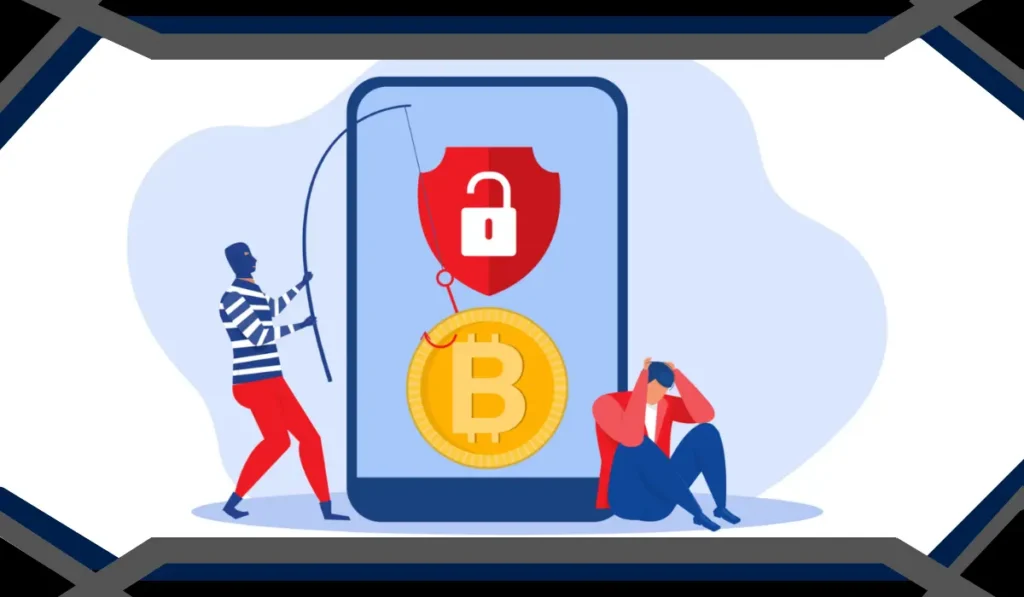
Cryptocurrency has transformed how people think about money, investment, and financial freedom. It offers decentralization, borderless transactions, and the possibility of high returns. However, alongside this innovation has come a darker reality: a rapidly growing ecosystem of scams that thrive on social media platforms. These scams are no longer simple tricks. They are organized, psychologically engineered, and often coordinated across multiple platforms to exploit trust and speed.
Understanding how crypto scams spread through social media-and how to avoid them-is essential for anyone engaging with digital assets today.
Why Social Media Has Become a Hotspot for Crypto Scams
Social media is the perfect environment for crypto scams because it combines reach, speed, and trust. Platforms like X (Twitter), Instagram, TikTok, Telegram, and Discord allow information to spread instantly to millions of users without meaningful verification.
Unlike traditional financial systems, social media does not require strict identity checks for users promoting investment opportunities. This creates an environment where scammers can easily impersonate experts, influencers, or even official organizations.
Another major factor is emotional engagement. Crypto content on social media is heavily driven by hype, fear of missing out (FOMO), and viral trends. Scammers exploit this by inserting fake opportunities into trending discussions, making their content appear legitimate simply because it is widely shared.
Finally, algorithms play a major role. Content that generates strong reactions-especially excitement or urgency-is often pushed to more users, unintentionally amplifying scam visibility.
Common Types of Crypto Scams Circulating on Social Platforms
Crypto scams come in many forms, but most follow recognizable patterns. These schemes are designed to look like investment opportunities while secretly extracting money or sensitive information from victims.
One of the most common formats is fake investment or “signal” groups. These are usually found on Telegram or Discord and claim to offer insider trading signals or guaranteed profit strategies. In reality, they often charge subscription fees or push users toward fraudulent trading platforms.
Another widespread tactic is influencer impersonation. Scammers copy verified accounts or create nearly identical usernames to trick users into believing they are interacting with a trusted figure. These fake accounts often promote giveaways or “limited investment opportunities.”
Pump-and-dump schemes are also very common in crypto communities. In these scams, fraudsters artificially inflate the price of a low-value token by generating hype on social media. Once the price rises, they sell their holdings, leaving regular investors with significant losses.
Phishing scams remain another major threat. These involve fake websites that mimic real exchanges or wallet providers. Users are tricked into entering login details or connecting wallets, giving scammers direct access to their funds.
Finally, romance-based crypto scams-often called “pig butchering”-have become increasingly common. In these cases, scammers build long-term relationships with victims through social media or messaging apps before convincing them to invest in fake platforms.
How Crypto Scams Spread Across Platforms
Crypto scams rarely stay confined to one platform. Instead, they follow a multi-stage distribution system designed to build trust gradually before exploitation occurs.
The process typically begins on highly visible platforms such as TikTok, Instagram, or X, where scammers post viral content about crypto profits, trading success stories, or fake news about rising coins. These posts are designed to attract attention and engagement.
Once users show interest, scammers redirect them to private channels such as Telegram or WhatsApp. These environments feel more personal and exclusive, which helps build trust. Victims are often told they have been “selected” for a special investment opportunity.
From there, the scam moves into the conversion stage. Victims are encouraged to deposit funds into fake trading platforms or send crypto directly to wallet addresses. These platforms often display fake profits to encourage larger deposits.
After enough money is collected, scammers either disappear or rebrand under new identities, restarting the cycle with new victims.
Psychological Techniques Behind Crypto Scams
Crypto scams are not only technical-they are deeply psychological. Scammers rely on understanding human behavior to manipulate victims effectively.
One of the most powerful tactics is urgency. Messages like “last chance,” “limited slots,” or “price increasing in 10 minutes” force users to act quickly without verifying information.
Social proof is another key strategy. Scammers flood comment sections with fake testimonials, bots, and screenshots showing supposed profits. This creates the illusion that others are already benefiting.
Authority bias also plays a major role. By impersonating influencers or financial experts, scammers leverage trust that users already have in these figures.
Greed is another emotional trigger. The promise of fast, effortless wealth is extremely appealing, especially in volatile markets where people already expect high returns.
Together, these psychological triggers create an environment where rational decision-making is replaced by emotional reaction.
Red Flags That Indicate a Crypto Scam
Identifying scams early is the most effective way to avoid losses. While scams vary in complexity, they often share common warning signs that users should never ignore.
If an investment promises guaranteed returns, it should immediately raise suspicion. Legitimate financial markets are inherently unpredictable, and no genuine platform can guarantee profits.
Requests for private keys, seed phrases, or wallet access are another major red flag. These credentials are the ultimate control mechanism for crypto wallets, and sharing them always results in loss of funds.
Unverified links shared through comments or direct messages are also highly risky. Many of these links lead to phishing sites designed to steal login credentials or drain wallets.
Additionally, overly aggressive urgency tactics-such as countdown timers or “only today” offers-are commonly used to prevent users from thinking critically.
A few key warning signs include:
- Promises of guaranteed or unusually high returns
- Requests for sensitive wallet information
- Fake urgency or pressure to invest immediately
- Suspicious links or unofficial websites
- Accounts impersonating influencers or companies
Real-World Impact of Crypto Scams
Crypto scams are not harmless digital frauds-they often result in devastating financial and emotional consequences. Victims can lose their entire savings in a matter of minutes, especially when dealing with irreversible blockchain transactions.
Beyond financial loss, many victims experience psychological distress, including anxiety, shame, and loss of trust in legitimate financial systems. In some cases, individuals are targeted repeatedly after their information is leaked or shared across scam networks.
The global nature of crypto also makes recovery extremely difficult. Unlike traditional banking systems, cryptocurrency transactions are often irreversible, and scammers frequently operate across borders, making legal action challenging.
How to Protect Yourself From Crypto Scams
Protection against crypto scams depends on awareness, caution, and good digital hygiene. While no system is completely risk-free, users can significantly reduce their exposure by following safe practices.
Always verify the authenticity of any platform or influencer before engaging. Official websites, verified social accounts, and trusted community forums are essential sources of confirmation.
Avoid clicking on links shared through social media messages or comments. Instead, manually type official URLs into your browser to ensure accuracy.
Storing crypto assets in hardware wallets provides an additional layer of security by keeping private keys offline and away from online threats.
It is also important to enable two-factor authentication (2FA) on all exchange accounts and email services. This helps prevent unauthorized access even if login credentials are compromised.
Most importantly, users should maintain a healthy level of skepticism. If an opportunity seems too good to be true, it almost always is.
Role of Social Media Platforms in Fighting Crypto Scams
While users must take responsibility for their own safety, social media platforms also play a critical role in reducing scams. Many platforms have introduced reporting tools, automated detection systems, and AI-based content moderation to identify fraudulent behavior.
However, enforcement remains inconsistent. Scammers often reappear under new accounts or slightly modified identities after being banned. This creates a continuous cycle of abuse that is difficult to eliminate completely.
Stronger verification systems, faster response times, and improved detection of coordinated scam networks are necessary to reduce the scale of the problem.
The Future of Crypto Scams in the Social Media Era
As technology evolves, crypto scams are becoming more advanced. Artificial intelligence is now being used to create deepfake videos of influencers or executives promoting fake investment opportunities. These videos are increasingly difficult to distinguish from real content.
Automated chatbots are also being deployed to simulate human conversation, making romance scams and fake support interactions more convincing. Additionally, scam networks are becoming more organized, operating across multiple platforms simultaneously.
This evolution means that awareness and education will remain the strongest defense against fraud.
Conclusion
Crypto scams spreading through social media represent one of the most significant threats in the digital financial landscape today. They thrive on speed, trust, and emotional manipulation, making them highly effective against unprepared users.
However, these scams are not unstoppable. By understanding how they operate, recognizing red flags, and practicing cautious online behavior, users can protect themselves effectively.
In the world of cryptocurrency, success is not just about identifying profitable opportunities-it is also about avoiding the traps designed to exploit them. Awareness remains the most powerful tool in staying safe.
Also Read: How Crypto Founders Use Content Marketing to Build Investor Demand