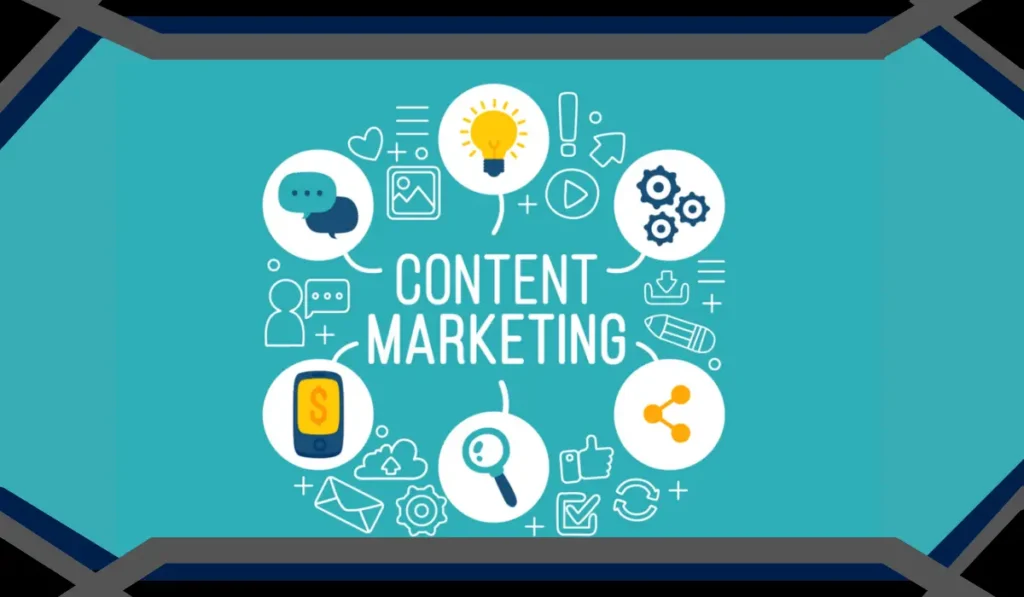
Content marketing remains one of the most effective ways to attract visitors, build trust, and convert audiences into loyal customers. However, publishing content alone is no longer enough to achieve meaningful results. With millions of blog posts, videos, and social media updates competing for attention every day, businesses need a strategic approach that helps them stand out while delivering genuine value.
The most successful brands focus on creating relevant, informative, and engaging content that solves audience problems while supporting business goals. By implementing proven content marketing tips, companies can increase website traffic, improve customer engagement, strengthen brand authority, and generate sustainable long-term growth.
Why Content Marketing Matters More Than Ever
Today’s consumers are more informed than ever before. Before making purchasing decisions, they often research products, compare alternatives, read reviews, and seek expert opinions online. This shift in consumer behavior has made content marketing an essential part of modern business growth.
Content marketing allows brands to become part of the customer journey by providing valuable information that answers questions and solves problems. Whether through blogs, videos, podcasts, newsletters, or social media content, businesses can attract potential customers organically while establishing credibility within their industry. Unlike traditional advertising, content marketing creates long-term value by generating traffic and building trust long after content is published.
Understand Your Audience Before Creating Content
One of the most important content marketing tips is understanding your audience before creating any content. Many businesses focus on what they want to say instead of what their audience actually wants to learn.
Successful content marketers invest time in researching customer challenges, interests, goals, and online behavior. This information can be gathered through customer surveys, feedback forms, social media interactions, website analytics, and industry research. When businesses understand their audience’s needs, they can create content that feels relevant and useful rather than promotional.
Content that directly addresses audience concerns is more likely to attract attention, generate shares, and encourage repeat visits. Understanding your audience also helps identify content topics that are most likely to drive engagement and conversions.
Focus on Search Intent Instead of Keywords Alone
Search engine optimization remains a crucial component of content marketing, but modern SEO extends far beyond keyword placement. Search engines increasingly prioritize content that satisfies user intent, meaning businesses must understand what users expect when they perform a search.
For example, someone searching for “Content Marketing Tips” is typically looking for practical strategies, actionable advice, and proven methods that can improve marketing performance. Content that comprehensively addresses these needs is far more likely to rank well and retain visitors.
By focusing on user intent alongside keyword optimization, businesses can improve both search visibility and user satisfaction. This approach creates stronger engagement signals that support long-term SEO success.
Create High-Quality and Authoritative Content
Quality remains one of the most important ranking and engagement factors in content marketing. While many websites publish large volumes of content, only a small percentage provides genuine value to readers.
High-performing content goes beyond basic information by offering actionable insights, expert perspectives, industry data, and practical examples. Readers are more likely to trust and share content that helps them solve real problems. Search engines also reward comprehensive and authoritative content because it improves user experience.
Businesses should focus on creating fewer high-quality pieces rather than publishing large amounts of low-value content. In many cases, a single well-researched article can generate more traffic and backlinks than dozens of shallow posts.
Use Storytelling to Build Stronger Connections
Storytelling remains one of the most effective content marketing tips because it helps create emotional connections with audiences. While statistics and facts are important, stories make content more engaging, relatable, and memorable.
Customer success stories, case studies, personal experiences, and brand journeys help readers understand how information applies in real-world situations. Stories also create context, making complex topics easier to understand and remember.
Businesses that incorporate authentic storytelling into their content often experience higher engagement levels because readers connect with human experiences more easily than with raw data alone.
Improve Readability for Better User Experience
Even the most valuable content can underperform if it is difficult to read. Most online users scan content before deciding whether to invest their time, making readability a critical factor in both engagement and SEO performance.
Effective content uses clear headings, short paragraphs, logical organization, and simple language. Structuring content in a way that allows readers to quickly find information improves user experience and encourages longer page visits.
Improved readability not only benefits readers but also helps search engines understand content structure more effectively, which can contribute to better rankings.
Maintain a Consistent Publishing Schedule
Consistency plays a major role in content marketing success. Businesses that publish content regularly are more likely to build audience trust and maintain visibility in search results.
A consistent publishing schedule does not require daily content production. Instead, businesses should develop a realistic content calendar that balances quality with frequency. Whether content is published weekly or biweekly, maintaining a predictable schedule helps build audience expectations and strengthens brand authority over time.
Regular publishing also creates more opportunities to rank for relevant search terms and attract organic traffic.
Repurpose Content Across Multiple Platforms
Creating quality content requires significant time and resources, making content repurposing an important strategy. One of the smartest content marketing tips is transforming existing content into multiple formats to maximize its reach and value.
A blog post can be converted into social media posts, email newsletters, videos, infographics, webinars, or downloadable guides. This approach allows businesses to reach different audience segments while reinforcing key messages across various platforms.
Repurposing content extends its lifespan and increases return on investment without requiring the constant creation of entirely new material.
Use Video to Increase Engagement
Video content continues to dominate digital marketing because it captures attention and communicates information effectively. Many consumers prefer watching videos when learning about products, services, or industry topics.
Educational tutorials, product demonstrations, customer testimonials, interviews, and short-form videos can significantly improve engagement rates. Video content often increases time spent on page and helps build stronger emotional connections with audiences.
Integrating video into a content strategy can expand reach while complementing written content, creating a more engaging user experience.
Promote Content Strategically
Even exceptional content may fail if it never reaches the right audience. Effective promotion is just as important as content creation.
Businesses should distribute content through social media channels, email campaigns, industry communities, strategic partnerships, and influencer collaborations. Promotion helps increase visibility, attract backlinks, and generate traffic that supports overall marketing goals.
Many successful marketers spend nearly as much time promoting content as they do creating it. Without a strong distribution strategy, valuable content often struggles to achieve its full potential.
Measure Results and Continuously Improve
Content marketing should be viewed as an ongoing optimization process rather than a one-time effort. Tracking key performance metrics helps businesses understand what is working and where improvements are needed.
Important metrics include organic traffic, engagement rates, conversion rates, social shares, and keyword rankings. Analyzing these insights helps identify successful topics and content formats that resonate with audiences.
Continuous improvement ensures that future content becomes more effective over time, leading to stronger results and greater return on investment.
Conclusion
Implementing proven content marketing tips can help businesses increase website traffic, improve customer engagement, and strengthen brand authority. Success depends on understanding audience needs, creating valuable content, optimizing for search intent, maintaining consistency, and continuously refining strategies based on performance data.
As digital competition continues to grow, businesses that prioritize quality, relevance, and user experience will be best positioned to succeed. Content marketing remains one of the most effective long-term strategies for building visibility, credibility, and sustainable business growth in an increasingly competitive online environment.