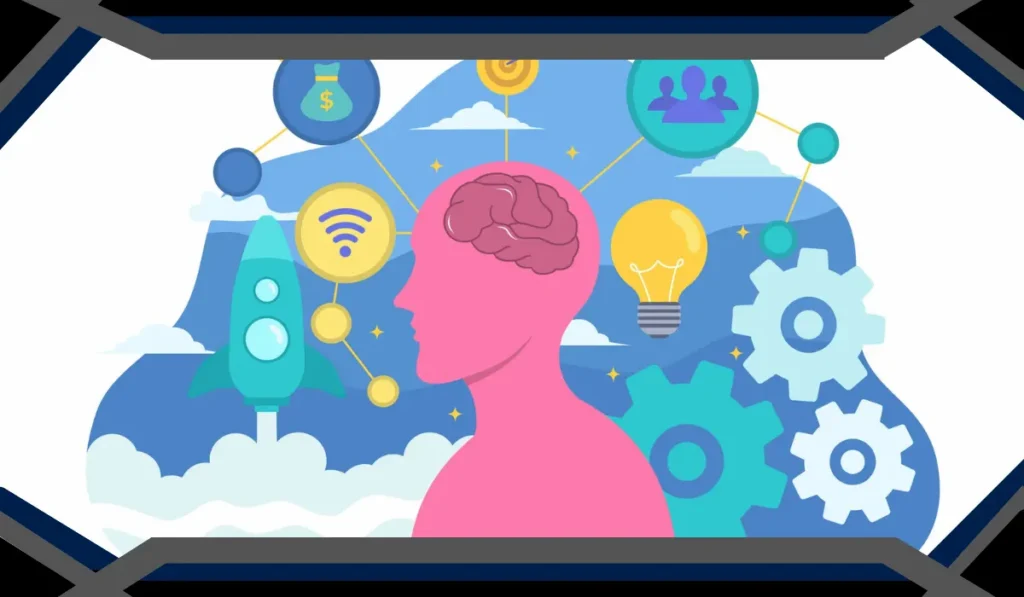
Emotional intelligence has become one of the most important skills for achieving personal growth and long-term success. While technical knowledge, education, and experience are valuable, the ability to understand and manage emotions often plays an even greater role in determining how people navigate challenges, build relationships, and achieve their goals. In today’s fast-paced world, emotional intelligence is increasingly recognized as a key factor in personal development because it influences decision-making, communication, self-awareness, and resilience.
People with strong emotional intelligence are better equipped to handle stress, adapt to change, and maintain healthy relationships. They understand their emotions without allowing those emotions to control their actions. As a result, they are often more confident, productive, and successful in both their personal and professional lives.
What Is Emotional Intelligence?
Emotional intelligence refers to the ability to recognize, understand, manage, and influence emotions effectively. The concept gained widespread attention through the work of psychologists who emphasized that intelligence extends beyond academic ability and logical reasoning.
Rather than focusing solely on cognitive skills, emotional intelligence involves understanding how emotions affect thoughts and behaviors. It helps individuals respond to situations thoughtfully rather than reacting impulsively.
At its core, emotional intelligence involves recognizing emotional patterns within yourself and others. This awareness allows for better communication, stronger relationships, and improved decision-making.
The Connection Between Emotional Intelligence and Personal Development
Personal development is the ongoing process of improving skills, behaviors, habits, and attitudes to become the best version of yourself. Emotional intelligence supports this process because it encourages self-awareness and continuous growth.
Many people focus on acquiring knowledge or developing professional skills while overlooking the emotional side of growth. However, personal development is not only about what you know; it is also about how you think, respond, and interact with the world around you.
Individuals who develop emotional intelligence are often more capable of identifying their weaknesses, learning from mistakes, and making meaningful improvements. They are better able to understand how their emotions influence decisions and can adjust their behavior accordingly.
Self-Awareness: The Foundation of Growth
One of the most important aspects of emotional intelligence is self-awareness. This involves understanding your emotions, thoughts, strengths, weaknesses, and behavioral patterns.
Self-awareness helps individuals recognize why they react in certain ways and how their emotions influence their actions. Instead of operating on autopilot, emotionally intelligent people take time to reflect on their experiences and learn from them.
When people become more self-aware, they gain a clearer understanding of their goals, values, and motivations. This clarity makes it easier to make decisions that align with long-term personal growth.
Developing self-awareness also helps individuals identify habits that may be limiting their progress. Once these patterns are recognized, they can be changed more effectively.
Emotional Regulation and Better Decision-Making
Life is filled with situations that trigger emotional responses. Whether dealing with workplace pressure, personal conflicts, or unexpected setbacks, emotions can strongly influence behavior.
Emotional intelligence helps individuals regulate their emotions instead of being controlled by them. This does not mean suppressing feelings. Rather, it involves understanding emotions and responding to them in a healthy and productive way.
People who manage their emotions effectively are less likely to make impulsive decisions driven by anger, frustration, or fear. Instead, they evaluate situations calmly and choose responses that support their long-term goals.
Better emotional regulation often leads to better judgment, stronger problem-solving abilities, and improved outcomes in both personal and professional situations.
Building Stronger Relationships
Relationships play a significant role in personal development. Family members, friends, colleagues, mentors, and partners all influence personal growth in different ways.
Emotional intelligence improves relationships by helping individuals understand and respond to the emotions of others. This ability creates stronger connections built on trust, empathy, and mutual respect.
People with high emotional intelligence are often better listeners. They pay attention not only to words but also to emotional cues, allowing them to communicate more effectively.
Strong relationships contribute to personal development by providing support, encouragement, and valuable feedback. As a result, emotional intelligence becomes an essential skill for creating meaningful connections that foster growth.
The Role of Empathy in Personal Growth
Empathy is the ability to understand and share the feelings of another person. It is a critical component of emotional intelligence and plays a major role in personal development.
Empathetic individuals are more open-minded and compassionate. They can view situations from different perspectives and understand experiences that may differ from their own.
This ability strengthens communication and reduces misunderstandings. It also encourages personal growth by helping individuals become more accepting, patient, and emotionally mature.
As empathy develops, people often become better leaders, friends, and collaborators because they can connect with others on a deeper level.
Emotional Intelligence and Resilience
Every person faces challenges, failures, and disappointments. The difference often lies in how individuals respond to those experiences.
Emotional intelligence contributes to resilience by helping people manage difficult emotions and recover from setbacks more effectively. Instead of becoming overwhelmed by obstacles, emotionally intelligent individuals view challenges as opportunities for learning and growth.
Resilient people understand that failure is not a permanent condition. They use setbacks as valuable lessons that guide future decisions and actions.
This mindset supports continuous personal development because it encourages perseverance even when progress feels slow or difficult.
How Emotional Intelligence Improves Career Growth
Although emotional intelligence is closely associated with personal development, it also plays a significant role in professional success.
Employers increasingly value emotional intelligence because it contributes to teamwork, leadership, communication, and conflict resolution. Individuals who understand their emotions and work effectively with others often perform better in collaborative environments.
Leaders with strong emotional intelligence inspire trust and create positive workplace cultures. They understand employee concerns, communicate clearly, and handle challenges with confidence.
As careers become increasingly dependent on interpersonal skills, emotional intelligence continues to be a major factor in long-term professional growth.
Practical Ways to Develop Emotional Intelligence
Developing emotional intelligence is an ongoing process that requires consistent effort and self-reflection.
One effective approach is practicing mindfulness. Paying attention to thoughts and emotions without immediate judgment helps improve self-awareness and emotional control.
Regular reflection can also be valuable. Taking time to evaluate daily experiences allows individuals to identify emotional patterns and learn from them.
Improving listening skills strengthens emotional intelligence as well. Focusing fully on conversations and seeking to understand others before responding can significantly enhance communication.
Seeking feedback from trusted individuals provides additional insight into personal behaviors and emotional responses. This feedback often reveals areas for growth that may otherwise go unnoticed.
Finally, cultivating empathy through curiosity and open-mindedness helps individuals develop a deeper understanding of the people around them.
Common Misconceptions About Emotional Intelligence
Many people mistakenly believe that emotional intelligence means being overly emotional. In reality, it involves understanding emotions and using them effectively rather than being controlled by them.
Another misconception is that emotional intelligence is an innate trait that cannot be changed. While some people may naturally possess stronger emotional skills, emotional intelligence can be developed through practice and experience.
Others assume emotional intelligence is only important in relationships. However, its influence extends to leadership, career development, decision-making, stress management, and overall well-being.
Understanding these misconceptions helps people recognize the true value of developing emotional intelligence as part of their personal growth journey.
Conclusion
Emotional intelligence is essential for personal development because it influences how individuals understand themselves, manage emotions, build relationships, and respond to challenges. It provides the foundation for self-awareness, resilience, empathy, and effective decision-making, all of which contribute to long-term growth and success.
As the demands of modern life continue to evolve, emotional intelligence remains one of the most valuable skills a person can develop. By improving emotional awareness and strengthening interpersonal abilities, individuals can unlock their full potential, navigate life’s challenges with greater confidence, and create meaningful progress in both their personal and professional lives.