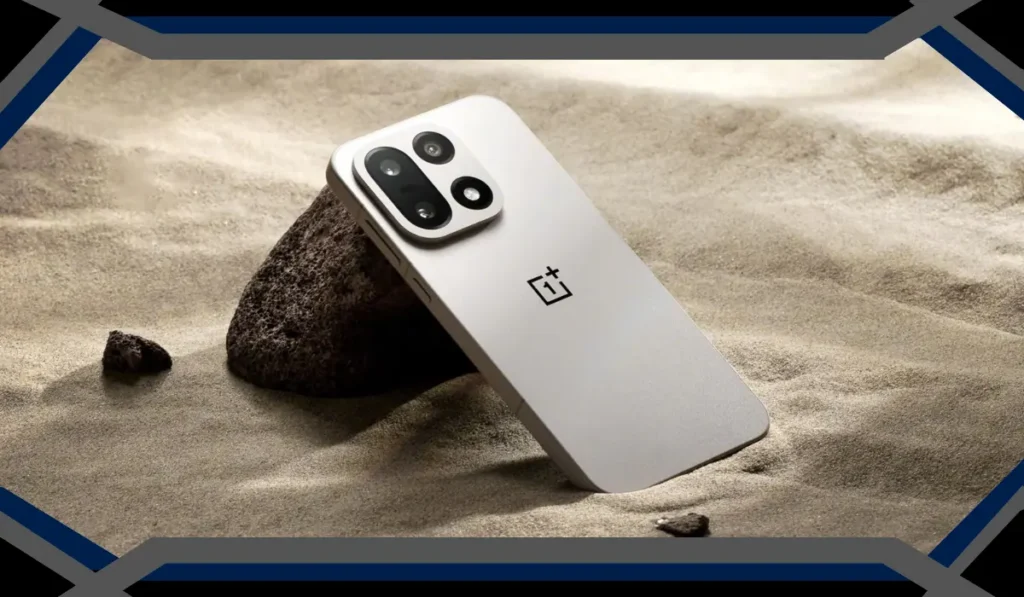
OnePlus, once recognized as the “flagship killer” brand that challenged premium smartphone makers with affordable high-end devices, is reportedly undergoing one of the biggest strategic changes in its history. Recent reports suggest that the company is preparing to withdraw from smartphone markets in the United States and Europe as its parent company, Oppo, restructures its global operations.
The possible exit marks a dramatic shift from OnePlus’ original global expansion strategy. The company entered Western markets by targeting technology enthusiasts who wanted flagship performance without premium prices. However, rising competition, declining market share, increasing operational costs, and Oppo’s broader business priorities appear to have pushed OnePlus toward a more focused approach.
While OnePlus is not disappearing overnight, the company’s role in the global smartphone industry could change significantly. The new strategy suggests a move toward consolidation, software integration, and stronger focus on selected markets rather than aggressive worldwide expansion.
Why Is OnePlus Reportedly Leaving the US and Europe?
The smartphone industry has become increasingly difficult for smaller brands operating outside China. In markets such as the US and Europe, OnePlus has struggled to compete against established players including Apple, Samsung, and Google.
Although OnePlus built a loyal customer base, its market presence remained limited compared with industry leaders. In the US, smartphone distribution depends heavily on carrier partnerships, marketing investment, and brand recognition. Competing with companies that dominate retail channels requires significant financial resources.
Europe presented a similar challenge. The region has become highly competitive, with consumers increasingly choosing established brands that offer long-term software support, strong resale value, and wider service networks.
According to recent reports, Oppo is reviewing its global strategy and reducing OnePlus operations in several international markets. The restructuring could result in OnePlus ending new smartphone launches in the US and Europe while maintaining support for existing customers.
The End of the “Never Settle” Expansion Era
OnePlus became successful because of its unique identity. The brand’s early smartphones delivered flagship processors, premium designs, and clean software experiences at lower prices than competitors.
The company’s “Never Settle” philosophy helped create a strong community of fans. However, the smartphone market changed significantly over the years.
OnePlus gradually moved closer to the premium segment, increasing prices and competing directly with Samsung Galaxy and Google Pixel devices. At the same time, the brand lost some of the differentiation that originally made it attractive.
The integration between OnePlus and Oppo also changed the company’s direction. Hardware development, software platforms, and product strategies became increasingly connected between the two brands. Reports indicate that future OnePlus devices may rely more heavily on Oppo’s ColorOS ecosystem rather than maintaining a separate global OxygenOS identity.
What Will Happen to Existing OnePlus Users?
For current OnePlus customers in the US and Europe, the reported market exit does not necessarily mean immediate problems.
Existing smartphones are expected to continue receiving support, including warranty services and software updates. Oppo is reportedly preparing a transition plan to maintain customer services after OnePlus reduces its presence in these regions.
However, future buyers may face fewer choices. If OnePlus stops releasing new smartphones in Western markets, customers looking for the latest OnePlus flagship models may need to import devices or switch to alternative brands.
The long-term software situation remains one of the biggest concerns. OnePlus users have traditionally valued OxygenOS because it offered a cleaner Android experience. A stronger move toward ColorOS could change how future devices look, feel, and receive updates.
What Does the Strategy Mean for Oppo?
The reported OnePlus withdrawal appears to be part of a larger Oppo strategy rather than an isolated decision.
Oppo remains one of the world’s largest smartphone manufacturers, especially in Asian markets. Instead of maintaining multiple brands competing in the same regions, the company may be attempting to simplify operations and reduce overlap.
This approach could allow Oppo to invest more resources into fewer product lines. It may also help the company improve efficiency by combining research, development, marketing, and software resources.
Furthermore, Oppo has stronger brand recognition in some international markets compared with OnePlus. A more unified strategy could help Oppo compete more effectively against Samsung and Apple.
Is OnePlus Completely Disappearing?
The answer is more complicated than a simple yes or no.
OnePlus is not expected to vanish completely. Reports suggest that the company may continue operating in China and potentially maintain a presence in selected markets.
However, the global image of OnePlus could change dramatically. The company that once challenged premium smartphone brands worldwide may become a more regional brand under Oppo’s larger ecosystem.
The future of upcoming devices, including possible flagship launches, remains uncertain outside China. Enthusiasts who followed OnePlus for years may see fewer product announcements and a different software experience.
How the Smartphone Market Could Change
OnePlus leaving major Western markets would highlight a broader trend in the smartphone industry.
Many Chinese smartphone brands have struggled to establish strong positions in the US and parts of Europe due to intense competition, regulatory challenges, and high customer acquisition costs.
At the same time, premium smartphone buyers increasingly prefer brands with strong ecosystems. Apple benefits from its hardware and software integration, while Samsung continues expanding Galaxy services and AI features.
For companies like OnePlus, competing globally requires more than offering powerful hardware. They must also provide reliable updates, customer support, ecosystem features, and long-term brand trust.
What Consumers Should Consider Before Buying a OnePlus Phone
Consumers interested in OnePlus devices should evaluate their priorities before making a purchase.
Existing OnePlus phones can still offer strong performance, premium hardware, and competitive features. However, buyers who want guaranteed access to future models and long-term regional support may prefer brands with stronger Western market commitments.
Meanwhile, loyal OnePlus fans may continue choosing the brand because of its design, fast charging technology, and performance-focused approach.
The decision ultimately depends on whether buyers value current device quality or long-term brand availability.
Conclusion
OnePlus’ reported withdrawal from the US and European smartphone markets represents a major turning point for one of the most influential Android brands of the last decade. The company’s journey from a disruptive startup to a premium smartphone competitor has been shaped by changing market conditions and increasing competition.
The new strategy appears focused on efficiency, Oppo integration, and selective market expansion rather than worldwide smartphone growth. While OnePlus may continue to exist, its role in global technology could become very different from the “flagship killer” era that made it famous.
For consumers, the change signals a reminder that the smartphone industry remains highly competitive, and even successful brands must constantly adapt to survive.