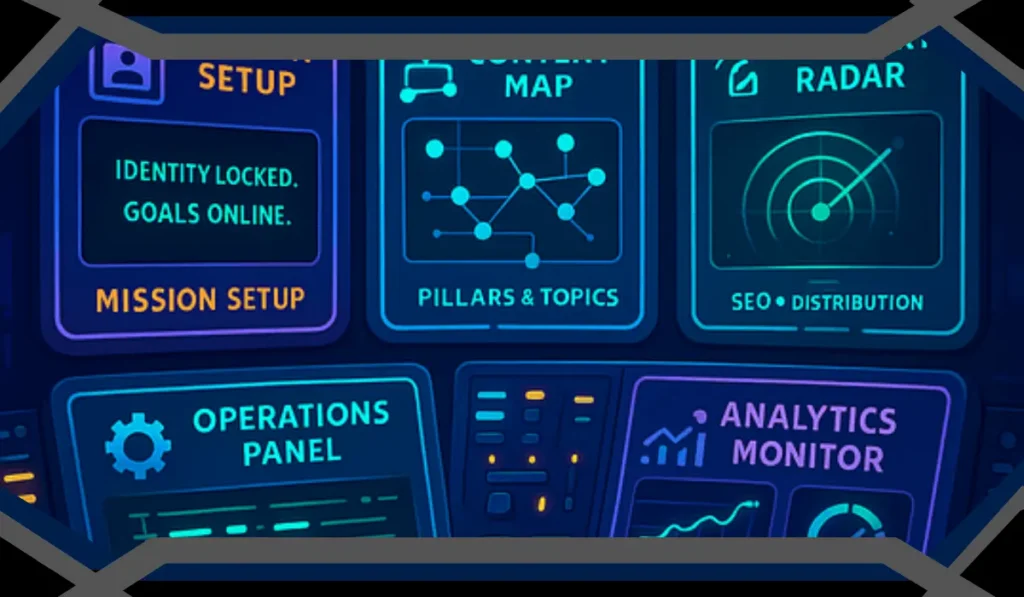
Organic growth is no longer driven by publishing random blog posts and hoping search engines reward consistency. Today’s digital landscape rewards strategic, user-focused, and experience-rich content that aligns with search intent and audience expectations. Businesses that understand how to build authority, trust, and relevance through content are the ones dominating search rankings and generating sustainable traffic.
A successful Modern Content Blueprint combines technical SEO, audience research, content quality, and distribution strategies into a scalable framework. Instead of focusing only on keywords, modern brands prioritize value, expertise, and long-term visibility. This shift has changed the way marketers create, optimize, and promote content online.
In this guide, you will learn how to build a high-performing content strategy that accelerates organic growth while maintaining search engine credibility and user trust.
Why Organic Growth Matters More Than Ever
Paid advertising can deliver immediate visibility, but it often becomes expensive and unsustainable over time. Organic growth, on the other hand, creates a long-term traffic engine that continues generating results even after content is published.
Search engines are becoming smarter at identifying content that genuinely helps users. Businesses that invest in quality content benefit from:
- Higher search visibility
- Increased website authority
- Better audience engagement
- Improved conversion rates
- Lower customer acquisition costs
- Sustainable long-term traffic
A well-structured content ecosystem helps brands become discoverable at every stage of the customer journey. Whether users are searching for information, comparisons, or solutions, strategic content ensures your business remains visible.
Understanding Search Intent in Modern SEO
Search intent is the foundation of effective content marketing. Search engines prioritize pages that best satisfy the reason behind a query. If your content fails to match user expectations, rankings become difficult to maintain.
There are four primary types of search intent:
Informational Intent
Users want answers, guidance, or education. Examples include tutorials, guides, and definitions.
Navigational Intent
Users are trying to find a specific website, brand, or platform.
Commercial Intent
Users are researching products or services before making a purchase decision.
Transactional Intent
Users are ready to take action, such as buying a product or signing up for a service.
A strong Modern Content Blueprint aligns every article, landing page, and resource with one of these intent categories. Doing so improves engagement metrics and increases the likelihood of ranking higher in search results.
Building a Topic Cluster Strategy
Modern SEO is no longer about ranking a single page for a single keyword. Search engines now evaluate topical authority across entire subject areas.
Topic clusters are one of the most effective ways to build authority. This structure includes:
- A pillar page covering a broad topic
- Supporting cluster content addressing subtopics
- Internal links connecting related pages
For example, a pillar page about content marketing could link to articles about SEO writing, audience research, keyword optimization, and content distribution.
This approach helps search engines understand the relationship between pages while improving user navigation.
Benefits of Topic Clusters
- Stronger internal linking
- Improved crawlability
- Better keyword relevance
- Increased session duration
- Enhanced authority signals
When executed correctly, topic clusters create a scalable framework for organic traffic growth.
The Role of High-Quality Content
Content quality remains one of the most influential ranking factors. Thin, repetitive, or AI-generated filler content struggles to maintain visibility because search engines prioritize usefulness and originality.
To create high-performing content:
Focus on Depth and Accuracy
Comprehensive content answers primary and secondary user questions in a single resource. Research-backed information increases trust and authority.
Improve Readability
Use shorter paragraphs, descriptive headings, bullet points, and conversational language. Readers should be able to scan your content quickly.
Add Unique Insights
Original data, expert opinions, and real-world examples make content more valuable and shareable.
Optimize for Engagement
Interactive elements, visuals, examples, and storytelling help keep users on the page longer.
Search engines monitor user engagement signals such as bounce rate, time on page, and click-through rates. High-quality content naturally improves these metrics.
Keyword Research for Sustainable Rankings
Keyword research has evolved significantly over the past decade. Instead of targeting only high-volume terms, modern marketers focus on semantic relevance and user context.
Effective keyword research involves:
- Identifying primary keywords
- Discovering long-tail opportunities
- Analyzing competitor rankings
- Understanding user questions
- Evaluating keyword difficulty
A successful Modern Content Blueprint balances competitive keywords with niche-specific opportunities. Long-tail keywords often convert better because they align more closely with user intent.
For example, instead of targeting a broad keyword like “SEO,” a business might target “SEO strategies for local businesses” or “content optimization for ecommerce brands.”
These targeted phrases attract more qualified visitors and improve conversion potential.
On-Page SEO Best Practices
On-page optimization helps search engines understand your content while improving user experience.
Optimize Title Tags
Your title tag should include the primary keyword naturally while remaining compelling enough to encourage clicks.
Write Strong Meta Descriptions
A well-crafted meta description improves click-through rates by summarizing the value of the page.
Use Structured Headings
Headings improve readability and help search engines identify key sections.
Optimize Internal Links
Internal links guide users toward related resources while distributing authority across your website.
Improve Image Optimization
Compressed images, descriptive file names, and alt text improve accessibility and page speed.
Enhance URL Structure
Short, descriptive URLs perform better for both users and search engines.
These optimization techniques create a smoother experience while reinforcing topical relevance.
The Importance of Technical SEO
Even exceptional content can struggle if technical SEO issues prevent search engines from crawling or indexing pages effectively.
Key technical SEO elements include:
- Mobile responsiveness
- Fast loading speeds
- Secure HTTPS connections
- XML sitemaps
- Structured data markup
- Clean site architecture
- Core Web Vitals optimization
Google prioritizes websites that provide seamless user experiences across devices. A slow or poorly optimized website can reduce rankings and increase bounce rates.
Technical optimization also ensures your content remains accessible and discoverable.
Content Distribution and Promotion
Publishing content alone is not enough. Promotion plays a critical role in generating visibility and backlinks.
Leverage Social Media
Sharing content across social channels expands reach and encourages engagement.
Build Email Campaigns
Email marketing helps distribute new content directly to subscribers who already trust your brand.
Repurpose Content
Transform blog posts into videos, infographics, podcasts, or social media snippets.
Collaborate With Industry Experts
Guest posting and expert collaborations increase credibility while expanding audience reach.
Earn Backlinks Naturally
High-quality, informative content attracts backlinks from reputable websites.
A strategic Modern Content Blueprint integrates promotion into every stage of content creation instead of treating distribution as an afterthought.
User Experience as a Ranking Factor
Search engines increasingly evaluate how users interact with websites. Poor user experiences reduce engagement and negatively affect rankings.
To improve user experience:
- Simplify navigation
- Use responsive design
- Reduce intrusive pop-ups
- Improve readability
- Ensure accessibility
- Optimize mobile performance
Users should be able to find information quickly without frustration. A positive experience increases trust and encourages repeat visits.
Measuring Content Performance
Tracking performance is essential for long-term organic growth. Data-driven insights help marketers refine strategies and improve results over time.
Important performance metrics include:
Organic Traffic
Measure how many visitors arrive through search engines.
Keyword Rankings
Track ranking improvements for target keywords.
Engagement Metrics
Monitor bounce rate, session duration, and pages per visit.
Conversion Rates
Evaluate how effectively content generates leads or sales.
Backlink Growth
Analyze the quality and quantity of earned backlinks.
Analytics tools provide valuable insights into what content performs best and where improvements are needed.
Adapting to Algorithm Changes
Search engine algorithms constantly evolve to improve user experiences and reduce low-quality content.
Successful brands remain adaptable by:
- Updating outdated content
- Monitoring SEO trends
- Prioritizing user-first strategies
- Avoiding manipulative tactics
- Maintaining content accuracy
Instead of chasing shortcuts, businesses should focus on building genuine authority and trust.
A future-proof content strategy emphasizes long-term value rather than temporary ranking tactics.
The Rise of AI and Human-Centered Content
Artificial intelligence has transformed content production, but human creativity and expertise remain essential.
AI tools can assist with:
- Content ideation
- Keyword research
- Data analysis
- Content optimization
- Workflow automation
However, relying entirely on automation often leads to generic content that lacks originality.
Human insight, storytelling, and expertise continue to differentiate exceptional content from low-value material. Combining AI efficiency with human creativity produces stronger results.
Building Brand Authority Through Content
Brand authority influences both user trust and search visibility. Businesses that consistently publish reliable and informative content become recognized industry leaders.
To strengthen authority:
- Publish expert-level resources
- Cite credible sources
- Showcase industry experience
- Maintain consistent quality
- Develop a recognizable voice
Trustworthy content encourages backlinks, social shares, and repeat visitors.
As authority grows, search engines become more likely to rank your content competitively.
Creating a Scalable Content Workflow
Consistency is crucial for sustainable growth. A structured workflow helps businesses maintain publishing momentum without sacrificing quality.
An effective workflow typically includes:
- Audience research
- Keyword analysis
- Content planning
- Writing and editing
- SEO optimization
- Publishing
- Promotion
- Performance analysis
- Content updates
Documented processes improve collaboration and reduce inefficiencies.
Businesses using a scalable Modern Content Blueprint can produce high-quality content consistently while adapting to changing market demands.
Common Content Marketing Mistakes to Avoid
Many businesses struggle with organic growth because they focus on outdated tactics.
Common mistakes include:
- Publishing low-quality content
- Ignoring search intent
- Overusing keywords
- Neglecting technical SEO
- Failing to update content
- Creating content without promotion
- Prioritizing quantity over quality
Avoiding these mistakes helps maintain credibility and long-term ranking stability.
The Future of Organic Content Growth
The future of SEO will continue shifting toward user experience, authority, and relevance. Search engines are becoming increasingly effective at identifying content that genuinely satisfies user needs.
Emerging trends include:
- AI-enhanced search experiences
- Voice search optimization
- Personalized search results
- Interactive content formats
- Visual search technology
- Greater emphasis on expertise and trust
Businesses that adapt early will gain a competitive advantage in search visibility.
Conclusion
Organic growth requires more than publishing articles consistently. Modern SEO success depends on understanding search intent, creating valuable content, optimizing technical performance, and building authority across an entire topic ecosystem.
A strategic Modern Content Blueprint helps businesses attract qualified traffic, improve engagement, and achieve sustainable long-term visibility. By combining audience-focused content with technical optimization and effective promotion, brands can build a reliable foundation for growth in an increasingly competitive digital landscape.
The businesses that succeed in modern search are the ones that prioritize users first while continuously adapting to evolving search engine expectations. With the right strategy, consistent execution, and commitment to quality, organic growth becomes not only achievable but scalable for years to come.
Also Read: The Biggest Crypto Marketing Mistakes to Avoid in 2026 (and How to Fix Them)