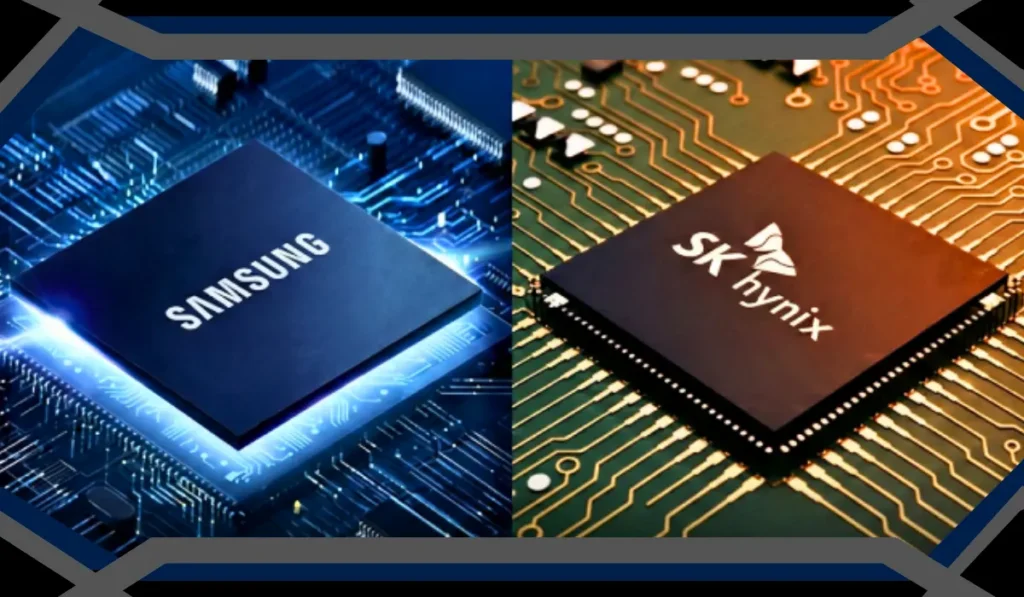
Samsung Electronics and SK Hynix came under heavy selling pressure as Asian technology markets faced a sharp downturn, with both South Korean semiconductor giants recording an 8% decline amid growing concerns over global tech valuations and the future pace of the artificial intelligence (AI) boom.
The market reaction reflected a broader shift in investor sentiment as traders moved away from high-performing technology stocks following months of strong gains. While demand for AI-related chips remains a major growth driver for the semiconductor industry, investors have started questioning whether current valuations fully reflect future earnings potential.
The decline placed renewed attention on the challenges facing South Korea’s chip industry, where Samsung and SK Hynix remain key players in the global memory semiconductor market.
Samsung and SK Hynix Lead Asian Semiconductor Sell-Off
Samsung Electronics and SK Hynix emerged as the biggest contributors to the latest decline in Asian technology stocks. The two companies, which have benefited significantly from rising demand for AI infrastructure and advanced memory products, experienced strong selling pressure as investors reduced exposure to semiconductor shares.
The fall affected South Korea’s broader market performance, with technology stocks weighing heavily on investor confidence. As two of the country’s most valuable companies, movements in Samsung and SK Hynix shares often influence the direction of the Korean stock market and broader Asian technology sentiment.
Samsung’s decline came despite improving expectations for its semiconductor business. The company has been recovering from a challenging period in the memory chip market, supported by higher demand for advanced computing solutions and AI-related products. However, investors focused more on short-term risks, including market valuations and uncertainty surrounding future chip demand.
SK Hynix also faced pressure despite its strong position in high-bandwidth memory (HBM), a critical technology supporting AI data centers and advanced computing systems. The company has been one of the biggest beneficiaries of the AI semiconductor boom, but its rapid stock appreciation has increased investor expectations.
Why Samsung and SK Hynix Shares Fell
The latest decline was driven by a combination of market factors rather than weakness in a single company.
One of the main concerns was the sustainability of the AI-driven semiconductor rally. Over the past year, chipmakers benefited from massive investment in artificial intelligence infrastructure, as technology companies increased spending on data centers, AI servers, and advanced processors.
However, investors have become increasingly cautious about whether the pace of AI spending can continue at current levels. The market has started shifting from focusing only on future AI potential toward evaluating whether companies can deliver strong and consistent financial returns.
Another factor behind the decline was profit-taking. Semiconductor stocks recorded significant gains during the AI investment cycle, creating opportunities for investors to lock in profits. The recent selling pressure reflected a normal market adjustment after a period of strong performance.
Global technology weakness also contributed to the decline. Semiconductor companies across major markets have faced increased volatility as investors monitor economic conditions, interest rate expectations, and technology spending trends.
AI Semiconductor Boom Faces Investor Reality Check
The latest market movement highlights a changing environment for AI-related stocks. Artificial intelligence remains one of the strongest growth themes in the technology sector, but investors are becoming more selective about companies positioned to benefit from the trend.
Memory chips have become increasingly important as AI systems require larger amounts of high-performance data processing. High-bandwidth memory products, developed by companies such as Samsung and SK Hynix, play a crucial role in advanced AI applications.
SK Hynix has strengthened its position in the AI memory market through its focus on HBM technology. The company’s relationship with major AI chip developers has increased investor confidence in its growth prospects.
Samsung, meanwhile, continues to compete across multiple areas, including memory chips, semiconductor manufacturing, and AI-related technologies. The company’s global scale gives it a strong competitive advantage, but it faces pressure to improve its position in the most advanced AI memory segments.
Despite strong industry demand, investors are now paying closer attention to production levels, pricing trends, and whether AI-related semiconductor demand can support long-term earnings growth.
Samsung and SK Hynix Face Different Market Challenges
Although both companies operate in the semiconductor industry, their challenges differ.
Samsung is managing a broad technology portfolio that includes memory chips, smartphones, consumer electronics, and semiconductor manufacturing services. The company’s ability to capture more demand from AI infrastructure will be important for improving investor confidence.
The company has been investing heavily in advanced semiconductor technologies to compete in areas where demand is growing rapidly. However, competition from other global chip manufacturers remains intense.
SK Hynix has gained a stronger reputation in the AI memory market due to its HBM capabilities. The company’s growth has been closely linked to rising AI infrastructure investment, but high market expectations have created additional pressure.
Investors are now watching whether SK Hynix can maintain its leadership position as competitors increase their focus on AI memory solutions.
Global Tech Pressure Weighs on Asian Markets
The decline in Samsung and SK Hynix shares reflects broader challenges facing Asian technology markets. Semiconductor companies have become closely connected to global economic trends, making them sensitive to changes in investor confidence.
Concerns over slowing technology demand, higher production capacity, and uncertainty around future AI investment have increased market volatility.
Asian markets have benefited from the semiconductor recovery cycle, but investors are now looking for evidence that growth can continue beyond the initial AI investment surge.
The latest sell-off does not necessarily indicate a long-term decline for semiconductor companies. Instead, it represents a market adjustment as investors reassess expectations following a strong rally.
Outlook for Samsung and SK Hynix
Samsung and SK Hynix remain among the most important companies in the global semiconductor industry. Their future performance will depend on their ability to benefit from AI demand while managing market risks.
The continued expansion of artificial intelligence, cloud computing, and data center infrastructure is expected to support demand for advanced memory technologies. However, companies will need to balance investment in production capacity with changing market conditions.
Investors will closely monitor upcoming earnings reports, memory pricing trends, AI infrastructure spending, and competition within the semiconductor sector.
The recent decline shows that even companies benefiting from powerful technology trends can face sharp market corrections when investor expectations become elevated.
Conclusion
Samsung and SK Hynix’s 8% stock decline signals a broader shift in Asian technology markets as investors reassess the strength of the AI-driven semiconductor rally. While both companies remain positioned to benefit from long-term AI growth, short-term concerns over valuations, market pressure, and global technology uncertainty have increased volatility.
The semiconductor industry remains at the center of the AI transformation, and Samsung and SK Hynix will continue to play a major role in shaping the future of advanced computing. However, investors are now looking beyond AI excitement and focusing on whether growth expectations can translate into sustainable business results.