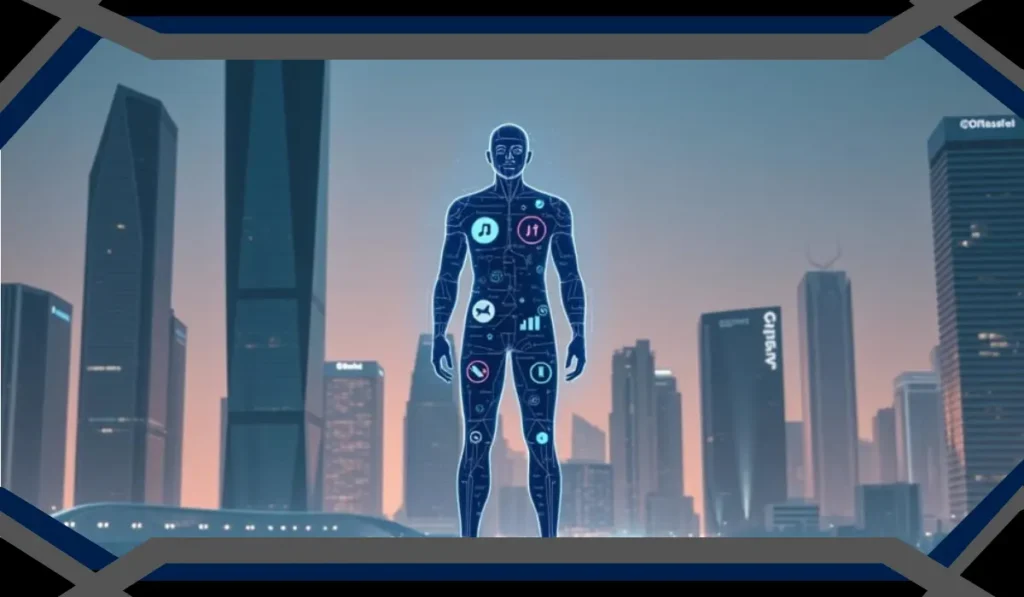
Personal Branding has become more important than ever in a world increasingly shaped by automation and artificial intelligence. As technology transforms industries, streamlines workflows, and changes the way businesses operate, professionals must find new ways to stand out. While AI can automate many tasks, it cannot fully replace human qualities such as authenticity, creativity, emotional intelligence, and personal experience. These qualities form the foundation of a strong professional identity and help individuals remain relevant in a rapidly evolving digital landscape.
The rise of automation has created both opportunities and challenges. On one hand, technology enables greater productivity and efficiency. On the other, it increases competition and makes it easier for skills and services to become commoditized. In this environment, developing a recognizable reputation has become a critical factor in career growth, leadership influence, and business success.
The Growing Influence of Artificial Intelligence
Artificial intelligence is no longer a futuristic concept. It is now integrated into everyday business operations, from customer service chatbots and data analytics to content creation and decision-making systems. Organizations across industries use AI to improve efficiency, reduce costs, and enhance customer experiences.
As AI adoption accelerates, many routine and repetitive tasks are becoming automated. This shift is changing the nature of work and forcing professionals to focus on uniquely human strengths. Technical expertise remains valuable, but employers and clients increasingly seek individuals who can think strategically, communicate effectively, and build meaningful relationships.
In this new environment, a strong professional reputation can provide a significant competitive advantage.
Why Human Identity Matters More Than Ever
One of the most significant effects of automation is the growing importance of human differentiation. When technology enables many people to access the same tools and resources, expertise alone may not be enough to stand out.
People are naturally drawn to authentic stories, unique perspectives, and personal experiences. They want to connect with individuals they trust rather than simply interact with technology. This human connection creates opportunities for professionals to distinguish themselves beyond their technical skills.
Professionals who communicate their values, expertise, and vision effectively often become recognized voices within their industries. Their ability to establish trust and credibility helps them remain relevant even as technology continues to evolve.
The Role of Trust in the Digital Economy
Trust has become one of the most valuable assets in modern business. Consumers, clients, investors, and employers are increasingly cautious about whom they choose to engage with. They often conduct extensive online research before making decisions.
A strong digital presence helps establish credibility and demonstrates expertise. When people consistently share valuable insights, participate in industry discussions, and contribute meaningful content, they build confidence among their audiences.
Trust becomes particularly important in technology-driven industries where rapid innovation can create uncertainty. Professionals who establish themselves as reliable sources of information often gain greater influence and recognition.
Standing Out in a Crowded Marketplace
The internet has created unprecedented access to information and opportunities. While this accessibility benefits professionals, it also increases competition. Thousands of experts may offer similar services, products, or knowledge.
Differentiation becomes essential for long-term success. Individuals who clearly communicate their unique strengths, experiences, and perspectives are more likely to attract attention and create lasting impressions.
A well-defined identity helps audiences understand what makes a professional unique. It also allows individuals to position themselves strategically within their industries and target specific opportunities that align with their expertise.
How Content Builds Authority
Content creation has become one of the most effective ways to establish authority in the digital age. Articles, videos, podcasts, newsletters, and social media posts provide opportunities to share knowledge and engage with audiences.
Consistently publishing high-quality content demonstrates expertise and helps professionals become recognized as thought leaders. Valuable content not only educates audiences but also showcases problem-solving abilities and industry knowledge.
As AI-generated content becomes more common, original insights and personal experiences become even more valuable. Audiences increasingly seek authentic perspectives that cannot easily be replicated by automated systems.
The Importance of Authenticity
Authenticity is one of the few qualities that technology cannot fully replicate. While AI can generate information and mimic communication styles, it cannot genuinely reflect personal experiences, emotions, or individual values.
People are more likely to trust professionals who communicate honestly and transparently. Authenticity creates stronger connections because it allows audiences to see the person behind the expertise.
Maintaining authenticity requires consistency in messaging, actions, and communication. Professionals who remain true to their values often develop stronger reputations and more loyal audiences over time.
Leadership in the Age of Automation
Leadership is evolving alongside technology. Modern leaders are expected to do more than manage operations and achieve business goals. They must inspire teams, communicate vision, and navigate constant change.
Technology can support leadership functions, but it cannot replace human judgment, empathy, and strategic thinking. These qualities are essential for building trust and guiding organizations through uncertainty.
Leaders who actively share their knowledge and experiences often become influential voices within their industries. Their visibility helps strengthen organizational credibility while creating opportunities for collaboration and growth.
Building Long-Term Career Resilience
Career resilience refers to the ability to adapt, grow, and remain valuable despite changing market conditions. In an era where technology continues to disrupt industries, resilience has become increasingly important.
Professionals who invest in developing a recognizable reputation often create greater career stability. Their visibility and credibility can open doors to new opportunities, partnerships, and leadership roles.
Rather than relying solely on technical skills, successful professionals cultivate broader strengths such as communication, relationship-building, and strategic thinking. These abilities remain valuable regardless of technological advancements.
The Future of Professional Visibility
The future workplace will likely be shaped by even greater integration of artificial intelligence and automation. As technology becomes more sophisticated, human differentiation will continue to grow in importance.
Professionals who embrace innovation while maintaining a strong sense of identity will be better positioned to succeed. The ability to combine technological expertise with authenticity, creativity, and leadership will become a defining characteristic of high-performing individuals.
Visibility will increasingly depend on the ability to communicate value clearly and consistently across digital platforms. Those who adapt to these changes will have a significant advantage in future markets.
Strategies for Building a Strong Professional Presence
Developing a strong reputation in the digital era requires intentional effort. Professionals should focus on sharing expertise, creating valuable content, engaging with industry communities, and maintaining consistent communication.
Key areas to prioritize include:
- Demonstrating expertise through valuable content
- Engaging authentically with audiences
- Sharing unique perspectives and experiences
- Building meaningful professional relationships
- Remaining adaptable to technological change
These strategies help create credibility and establish long-term influence in an increasingly competitive environment.
Conclusion
Personal Branding remains a powerful tool for professional success in the age of automation and artificial intelligence. While technology continues to transform industries and automate routine tasks, human qualities such as authenticity, trust, creativity, and leadership have become more valuable than ever.
Professionals who invest in building a strong reputation can differentiate themselves in crowded markets, strengthen their credibility, and create new opportunities for growth. As artificial intelligence continues to reshape the future of work, those who combine technological knowledge with a distinctive professional identity will be best positioned to thrive. In a world increasingly driven by machines, the human element remains one of the most powerful competitive advantages available.