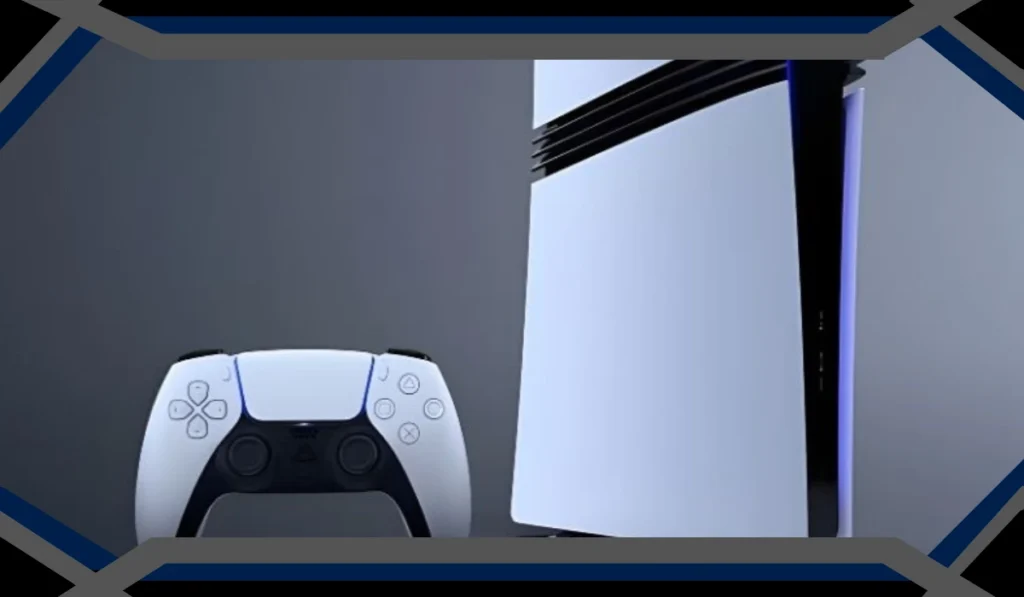
Sony Interactive Entertainment has made a landmark announcement that is sending shockwaves through the gaming community. Starting in January 2028, PlayStation will stop releasing new games on PlayStation physical discs. This decision marks one of the most significant shifts in the console gaming industry since the introduction of optical media.
The move confirms what many industry watchers have long predicted: the era of physical game discs is coming to a close. According to Sony’s official PlayStation Blog post dated July 1, 2026, production of physical discs for all new PlayStation games will end in January 2028. After this cutoff, new titles will be available exclusively through digital channels, although retailers may still sell boxed editions containing download codes instead of discs.
Why PlayStation Is Ending Physical Discs
Sony cited changing consumer behavior as the primary reason for the transition. Digital downloads have significantly outpaced physical game sales. In the fourth quarter of fiscal year 2025, digital full-game software sales on PS4 and PS5 accounted for approximately 85% of revenue, leaving physical copies with just 15%.
“This is a natural direction for Sony Interactive Entertainment to adapt to consumer trends as the general preference for digital media significantly outpaces physical discs,” the company stated. The transition aims to align resources with how most players already access and enjoy games today.
The announcement follows Rockstar Games’ decision to release Grand Theft Auto VI as a digital-only title, further accelerating the industry’s shift away from physical media. It also reflects growing concerns over the costs and logistics of manufacturing and distributing boxed games.
What This Means for Gamers
For many longtime PlayStation fans, the end of PlayStation physical discs feels like the loss of something tangible. Physical copies have long allowed players to:
- Lend games to friends
- Resell or trade titles
- Build personal collections
- Play games without depending entirely on internet access or account policies
After January 2028, these options will largely disappear for new releases. Players will instead rely on digital licenses tied to their PlayStation Network accounts. While Sony has promised continued support for existing physical game libraries, concerns about long-term preservation remain.
Collectors and preservationists are particularly worried. Physical discs serve as reliable backups that do not depend on online servers or changing company policies. Once production ends, future generations may find it harder to experience these games in their original form.
Impact on Retailers and the Second-Hand Market
The decision presents major challenges for brick-and-mortar retailers. As physical game releases are phased out, stores that depend on new releases, used games, and trade-ins could see significant revenue declines. Independent retailers and chains like GameStop have relied heavily on these sales for years.
Some retailers have already criticized the move, arguing it weakens consumer ownership and threatens the future of the second-hand gaming market, which has traditionally offered affordable options for budget-conscious players.
Timeline and What Remains Unaffected
It’s important to understand what this change does,and does not affect.
- All games released before January 2028 will still receive physical disc versions.
- Existing physical collections will remain fully playable.
- Backward compatibility for older discs is expected to continue on future PlayStation hardware.
This gives collectors and traditional buyers roughly the next 18 months to purchase the final wave of physical releases arriving throughout 2026 and 2027.
Broader Industry Context
PlayStation is not the first platform to embrace a digital-first strategy. Microsoft has promoted digital gaming through the Xbox Series S, while PC gaming has relied almost entirely on digital storefronts for years through platforms like Steam. Nintendo, however, continues to support boxed releases for the Switch, showing that physical media still has a place in parts of the gaming industry.
Sony’s announcement has also fueled speculation that the next PlayStation console (widely referred to as the PS6) could launch without an integrated disc drive.
Consumer Rights and Game Preservation
Critics argue the transition reduces consumer rights. Gaming journalist Vikki Blake described the move as a “body blow to consumer rights,” pointing to concerns about sharing, resale, and long-term ownership.
Unlike physical copies, digital purchases are licenses that can be revoked if games are delisted or accounts become inaccessible. Preservation experts also warn that without physical media, many titles could eventually disappear if servers shut down or licensing agreements expire.
Preparing for the Digital Future
If you prefer owning games on PlayStation physical discs, now is the best time to buy upcoming releases scheduled for 2026 and 2027. Players should also consider expanding their digital storage, maintaining secure PlayStation Network accounts, and backing up game data whenever possible.
For collectors, the final generation of PlayStation disc releases could become highly valuable in the years ahead, much like vinyl records have become prized collectibles.
The End of an Era or Just Evolution?
Sony’s decision to stop releasing new games on PlayStation physical discs beginning in 2028 reflects broader trends across the entertainment industry. While digital distribution offers greater convenience and lower costs, it also raises important questions about ownership, preservation, and long-term access.
Whether this marks progress or the end of a beloved tradition remains a matter of debate. One thing is certain: after 2028, the PlayStation ecosystem will look very different as the industry enters a fully digital era.