
There are many days during a corporate career when you feel the urge to quit or stay temporarily. But when the talk turns to building your own career, there is nothing more personal to you than your own brand, which can be easily established through a blog.
In 2026, blogging is no longer considered a side hustle. Rather, it is a portfolio career that offers you diversified streams of revenue while showcasing personal initiative and cross-platform authority, thus making it highly attractive to potential employers. Your blog is your professional digital footprint.
However, building a personal brand without quitting your job comes with a lot of questions: Will my employer fire me if I start a blog? Does having a blog increase my chances of getting hired? This article aims to eliminate the myths surrounding blogging while working, while providing the necessary strategies to help you build your portfolio career and launch your blog today!
Workplace Trends of 2026: Portfolio Careers
The savvy employee of 2026 invests in multiple sources of income, instead of the traditional dependency on one singular employer. A portfolio career model is one such workplace trend where an employee works for several brands through remote means or freelances through niches based on their skills. This model provides a diversification of skills while also generating a variety of ways to keep oneself afloat.
While there are many ways to build your portfolio career, starting your own personal blog is a great way to diversify your income through monetization of your skills while maintaining creative control over your content. Platforms like Substack, Patreon, and Upwork are excellent for creators who wish to earn income through their content.
Is a Portfolio Career Safe?
A well-maintained portfolio career enhances job security as it gives you multiple income streams to depend on, thus building personal equity and providing a nonlinear career growth path.
Your personal brand and blog are solid proof of your knowledge and skills, consequently enhancing your eligibility among potential recruiters, who are constantly on the lookout for proactive initiatives like these.
4 Do’s & Don’ts of Blogging while Working
Do’s
- Take Notes: Ponder what you have learned today. Start taking down notes, and build useful information that people will love to read about.
- Verified Expertise: Be an expert in your own topic. This is your time when you can show off what you have learned. Even though you may make mistakes at your own job, this is the time when you can learn from your mistakes and blog them.
- Networking: Start building your community and help people build theirs by contributing your efforts. Only help others when approached if it doesn’t place an undue burden on your time or finances. Be real and treat this like a hobby.
- Portfolio-Building: It’s good to leverage useful software and other people’s services. You have a job, so start investing time and money in yourself to build a good portfolio!
Don’ts
- Don’t Be Influenced: All the hype about making money online can lead to information overload. It’s good to listen, but just carry on building your blog.
- Don’t Be Fake: If you don’t find blogging interesting, don’t do it! If you are not the kind to prioritize your career, you probably won’t create a great blog anyway. Without genuine interest, your blog is likely to lose momentum and eventually fade away.
- Don’t Expect Immediate Results: If people like what you are blogging about, your personal brand will get an audience for sure. It may take a while for the traffic to be aware of you; therefore, start blogging if you have the patience to build it one post at a time.
Linking Social Media Back to Your Blog
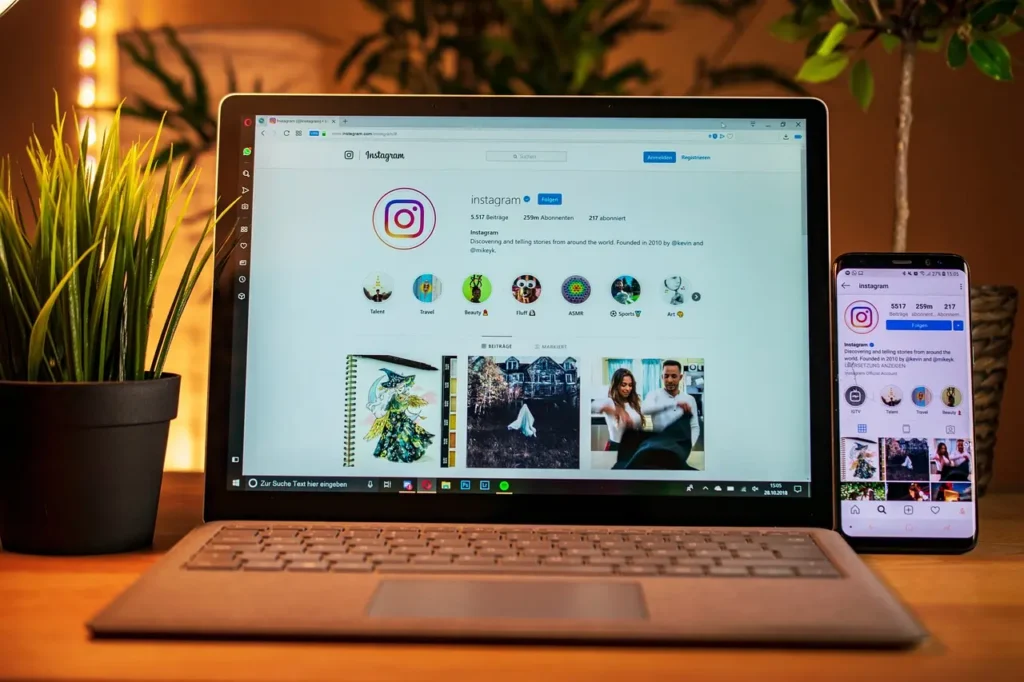
Social media is a great way to build traffic to your blog due to the tons of networking opportunities through platforms like Facebook, Twitter, and LinkedIn.
Platforms like LinkedIn provide professionals with exposure to the world and a variety of opportunities to showcase their skills while also acting as a portfolio in itself for hiring managers. Using other forms of social media like Instagram, YouTube, and Facebook can bring your content to millions of people through short-form videos, a popular form of communication in 2026, and can increase traffic.
Engaging in consistent social media content, while providing links to your blogs in said content, can increase traffic to your blog. The blog can offer assurance to visitors about your worth in the industry you are in.
How to Monetize Your Blog While Working a Full-Time Job?
Increased web traffic and reader engagement with your blog can help broaden revenue generation. For higher search engine visibility, your blog content should align with Google’s E-E-A-T (Experience, Expertise, Authoritativeness, and Trustworthiness standards. Appearing in AI overviews can also enhance site visibility.
Google ranks content based on authenticity, information gain, and authority. Incorporating SEO keywords naturally, without stuffing them into texts, creates authentic content. Writing content on topics that showcase your expertise has a higher chance of being unique and credible than cliché data. Focusing on underserved niches can also help gain a loyal audience.
Publishing on platforms like Medium, WordPress, and Notion is ideal for beginners. After you have gained a loyal audience, you can transition to subscriptions through newsletters and exclusive content.
Can I Share My Work Experiences Without Getting in Trouble?
The legality of sharing your work experiences online depends on the company. If your company asks you to sign an NDA (Non-Disclosure Agreement), it does not want its information disclosed, and you can get in significant trouble for doing so, including getting fired.
However, by not disrespecting the company or its policies, or by sharing information without confidential details, you can maintain a blog about personal corporate experiences without getting fired from your job.
How Often Should I Publish Blog Posts While Working Full-Time?
The 80/20 rule of blogging states that 80% of the blog’s success comes from 20% of your efforts, underlining the importance of focusing on delivering quality content that guarantees high reader engagement rather than posting excessively just to be noticed by the algorithm.
Is Blogging Still Worth It in 2026 for Career Growth?
Yes, blogging still holds relevance in 2026 for career growth as it helps build niche authority, leadership, and personal branding. However, it is not an easy task to master. The whole journey can be really tough and unexpected. As for myself, I am actually performing a full-time job in e-marketing while blogging about what I have learned from my job experience. In fact, I got my job because I used my blog as my portfolio!
My job is helping me learn a lot more about the Internet, making my exposure far greater than what I would have thought I’d achieve on my own. And with that experience, I actually ‘document’ it in a meaningful way in my blogs, allowing my visitors to enjoy what I have learned so far.
Even if I’m not going to be able to make a full-time job out of blogging, I still get to know more and more fantastic people (such as Liz Strauss here!) through my online journey. I really thank God for that. The whole blogging experience has been a really fruitful one for me, and I will continue to do even more than what I am doing today!
My question to all of you: What career values or opportunities has your blog brought you today? Do share with us; I would love to hear about it too!
This post was written by Charles. He has been an Internet reviewer since June 2007. He pours his passion for Internet marketing and Internet branding into his Twitter account actively at @charleslau.
Buy the ebook. Learn the art of online conversation.
I’m a proud affiliate of