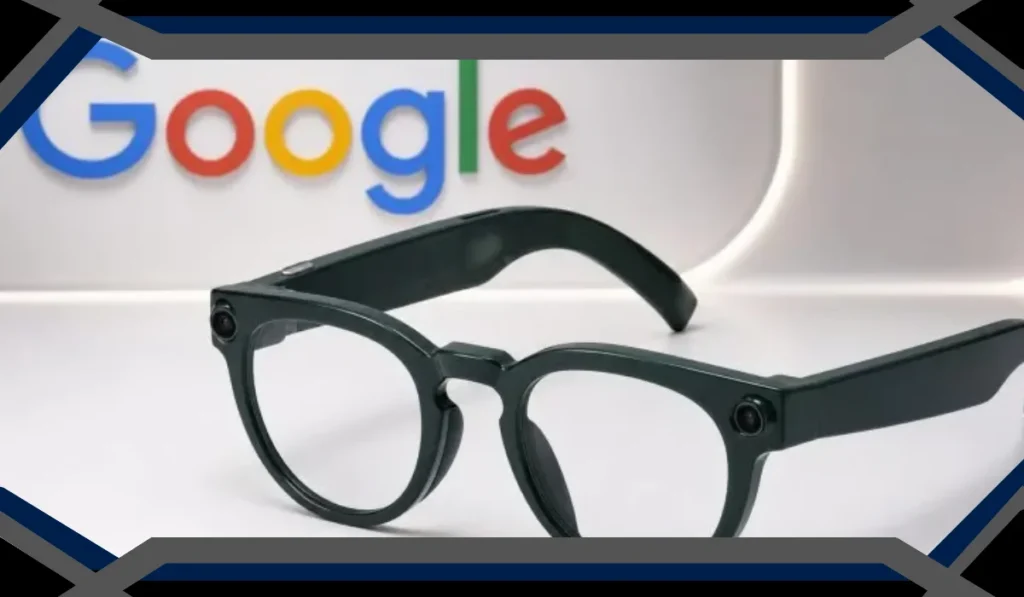
Google’s push into wearable AI has reached a new milestone with the Android XR platform. The Google Android XR glasses, developed in partnership with Samsung, Warby Parker, and Gentle Monster, promise to make everyday tasks more intuitive through Gemini AI. Announced at Google I/O 2026 and slated for a fall 2026 release, these intelligent eyewear combine stylish frames with practical features like live translation and AI-powered navigation.
Unlike previous smart glasses that often felt gimmicky, the Android XR lineup emphasizes seamless integration into daily life. Users can receive turn-by-turn walking directions overlaid on their view or read real-time subtitles when someone speaks a foreign language,all without constantly checking their phone.
Two Styles of Intelligent Eyewear
Google is launching the glasses in two primary variants to suit different user needs:
- Audio-Only Glasses: These focus on voice interaction and spoken feedback through built-in speakers and microphones. They deliver Gemini’s assistance privately in your ear, making them ideal for all-day wear without visual distractions. Expected starting price: $299–$399.
- Display-Enabled Glasses: These project subtle text and graphics onto one lens, creating a private floating display. This model unlocks the full potential of visual features like navigation arrows and translation subtitles. Expected price: $499–$699, depending on frame style and prescription options.
Both styles maintain a lightweight, fashionable design thanks to partnerships with premium eyewear brands. Warby Parker offers everyday, approachable frames, while Gentle Monster brings bolder, fashion-forward aesthetics. Samsung contributes hardware expertise, ensuring reliable performance as a phone companion device. Pricing positions them as premium yet accessible,comparable to high-end smart glasses like Meta Ray-Ban models but with deeper AI capabilities.
How Gemini AI Powers the Experience
At the heart of the Google Android XR glasses is Google’s multimodal Gemini AI. The glasses use built-in cameras and microphones to understand context, while most heavy processing occurs on your paired smartphone. This keeps the frames comfortable for extended use and helps manage costs by avoiding on-device flagship chips.
Gemini acts as an always-available assistant that “sees” what you see and responds naturally to voice commands. The system connects deeply with Google services such as Maps, Messages, and Calendar, creating a more helpful wearable experience than many competitors currently offer.
Standout Features: Live Translation and AI Navigation
The two headline capabilities highlight why these glasses stand out:
Live Translation : Point the camera at a conversation or activate voice mode, and Gemini provides real-time subtitles in your preferred language directly on the display (or speaks translations via audio). This feature excels in travel, business meetings, or casual interactions with non-native speakers. Early demos show accurate, low-latency performance that feels almost magical.
Gemini AI-Powered Navigation : Forget pulling out your phone while walking. The glasses overlay turn-by-turn arrows and instructions via Google Maps. Gemini can understand contextual queries like “Navigate to the nearest coffee shop” and adjust routes dynamically. Visual cues on the display model reduce cognitive load compared to traditional GPS apps.
Additional practical features include:
- Visual Lookup: Ask about objects, restaurants, or landmarks in view for reviews, hours, or details.
- Smart Summaries: Have Gemini read and summarize incoming messages or notifications aloud.
- Hands-Free Tasks: Capture photos, send texts, set reminders, or order items through integrated apps,all via voice.
These tools position the Google Android XR glasses as genuine daily companions rather than occasional novelties. At the expected price range, they deliver strong value for users who frequently travel or need productivity boosts.
Comparison with Competitors
To understand their potential impact, it helps to compare them with existing options:
| Feature | Google Android XR | Meta Ray-Ban Smart Glasses | XREAL Aura (Android XR) |
| AI Assistant | Gemini (multimodal) | Meta AI | Gemini |
| Live Translation | Strong (subtitles + audio) | Basic | Limited |
| Navigation Overlay | Yes (display model) | No | Yes (more immersive) |
| Design Focus | Fashion (Warby/Gentle Monster) | Casual sunglasses | Tech-focused |
| Display | Subtle monocular | None (audio-first) | Binocular AR |
| Expected Price | $299–$699 | ~$299–$429 | $499–$1,500+ |
| Release | Fall 2026 | Available now | Available/2026 variants |
The Android XR glasses strike an excellent balance,more capable than Meta’s audio-focused approach but less bulky (and potentially more affordable) than full AR headsets like XREAL’s offerings. Their strength lies in Google’s ecosystem depth and natural integration.
Real-World Use Cases
Imagine wearing the glasses on a trip abroad: Live translation helps you order food confidently, while AI navigation guides you through unfamiliar streets. At home, they can summarize work messages during a walk or identify plants in your garden when you ask Gemini.
For professionals, the ability to glance at translated subtitles during international calls or receive discreet navigation cues during client meetings adds clear productivity value. Early testers praise the “in the moment” design philosophy that avoids pulling users out of their surroundings. At the projected $299+ entry price, these use cases become accessible to a broader audience.
Potential Drawbacks and Considerations
Despite the excitement, some limitations remain. Battery life (expected 6–8 hours of active use), exact final pricing, and long-term comfort are still being finalized ahead of launch. Privacy concerns around the built-in camera are valid,Google will need transparent controls and indicators to build trust.
The display model’s subtle overlay may not suit everyone, and reliance on a phone connection means they aren’t fully standalone. Real-world performance in challenging conditions (bright sunlight, heavy accents, or poor connectivity) will ultimately determine success. Higher-end display models at $499–$699 may also require prescription lens inserts, adding to the total cost.
Who Should Consider Google Android XR Glasses?
These glasses are likely ideal for:
- Frequent travelers needing translation and navigation help.
- Android users already invested in Google services.
- Professionals seeking subtle productivity tools.
- Fashion-conscious users who want tech without sacrificing style (especially at the accessible audio model price point).
If you prefer fully immersive AR or don’t use Google services heavily, alternatives like XREAL or Meta products may fit better.
The Road Ahead for Android XR
The fall 2026 launch of the Google Android XR glasses marks the beginning of a broader ecosystem that includes headsets and more accessories. Future updates could expand app support, improve multimodal understanding, and add features like health tracking or deeper social integration. Competitive pricing will be key to widespread adoption.
Google and Samsung’s collaboration signals serious intent to compete in the growing wearable AI market. By focusing on helpful, human-centered experiences rather than flashy tech, they may finally deliver smart glasses that mainstream users actually want to wear daily.
As we approach the release, anticipation continues to build. The combination of live translation, Gemini AI-powered navigation, elegant design, and thoughtful pricing could make the Android XR glasses one of the most significant consumer tech releases of 2026.