Successful Blog

  • Home
  • Community
  • About
  • Author Guidelines
  • Liz’s Book
  • Stay Tuned

Why Your Company Is Chasing Too Many Bad Sales Leads

January 20, 2022 by Jessy Troy

Many companies don’t do enough upfront work to qualify their new sales leads. They simply pass every single sales lead through to the sales team, even if the prospect is nowhere near ready to buy or is even a good fit for what the company sells.

According to statistics cited by HubSpot, 61 percent of B2B companies send all of their business leads directly to sales, even though only 27 percent of those leads will be qualified to count as “serious buyers.” Having too many unqualified sales leads wastes the time of the sales team and causes the company to miss out on legitimate sales opportunities. When your salespeople are bombarded with low-quality leads that aren’t a good fit for your product or service, they’re going to miss the chance to talk with prospects who are legitimately good sales opportunities.

If your company is chasing bad sales leads, the following strategies will help you better qualify your inbound sales inquiries upfront:

Create Content that Drives Sales

In B2B content creators have always keep their target DMU (decision making unit) in mind. Have you been doing the same when creating content for B2C?

Text Optimizer is a great intent optimization tool that helps you create content that meets your customers’ needs and expectations.
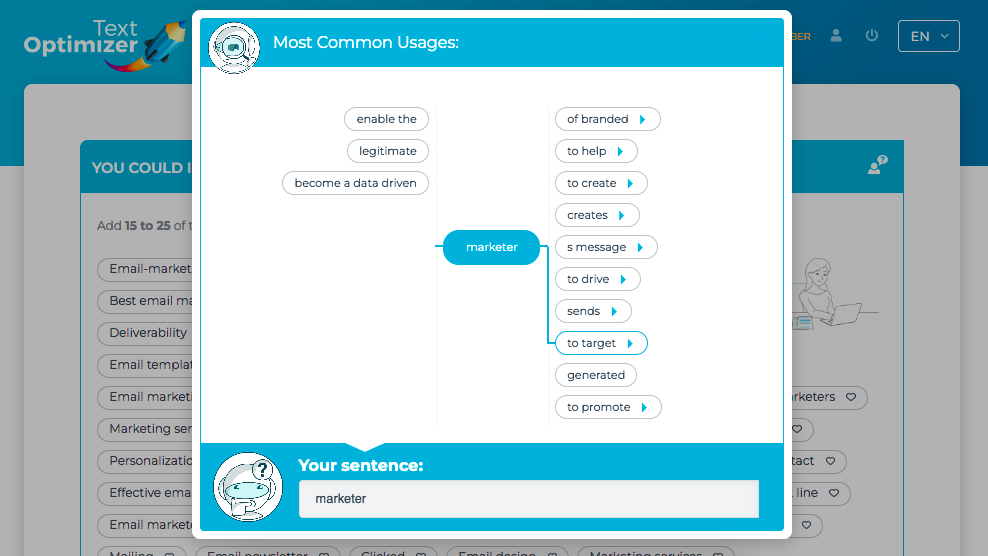
Text Optimizer lets you optimize content for intent

Ask Lead-Qualifying Questions

Not all sales leads are the same, so why would your company want to treat them all the same? After all, every single prospect is unique; they all have different problems and pain points and budgetary concerns, and they all have unique business needs that your solution has to address. But if your company is simply passing every sales lead along to the sales team without even asking any questions, you’re missing a big chance to learn more about the prospect.

Asking questions to qualify the sales leads is a simple step that you can take to start prioritizing and ranking your sales leads. By asking sales-related exploratory questions, you are starting to build trust and build a relationship, and you’re learning more about the larger picture of the customer’s business challenges.

Asking questions also helps you do “lead scoring” to rank your sales leads based on how likely they are to buy. This is somewhat of an inexact process, but with time, you’ll get better at deciphering the subtle clues and behaviors of prospects to see which ones are genuinely interested and which ones are just calling around to do research or get price quotes. Use an online form builder that gives you flexibility to verify your contact prior to registering is as a leader.

Ask Open-Ended Questions

Asking lead-qualifying questions is a subtle process that requires some skill and savvy. For example, you don’t want to be too direct or aggressive by asking questions such as, “Do you have a budget for this purchase?” or “Are you definitely in the market for a new solution?” or “Are you looking to buy sometime soon?” These questions tend to create sales pressure and make the prospect feel defensive.

Instead of putting the customer under pressure, start by asking open-ended questions that get them to talk about their overall business situation. For example, you could ask, “What challenges are you experiencing with your current solution?” This helps get the customer to open up a bit and share their frustrations that are causing them to seek a new vendor. Or you could ask, “How is your current solution impacting your overall business processes?” This is a great question, because it helps you analyze the overall picture at the prospect’s business and evaluate how urgently they might be looking to make a purchase decision.

Every lead-qualifying question is your chance to hear more from the customer. Get them to open up about their business challenges, and then really listen to what they say.

Follow Up By Phone

Other companies make the mistake of relying too much on automated systems. For example, when you get new inbound sales inquiries via your website or online advertising, you might have an automated email reply or online intake form that asks the prospect some questions about what they’re looking to buy. These automated tools can be helpful, but you can’t rely on a fully automated lead qualification process.

Instead, call people back. Get on the phone and have a detailed conversation that allows for the “human element” of relationship building and establishing trust. Even with the great technology we have today, you still need to get on the phone and talk with your customers.

Why? For one thing, the buyers who are most urgently looking to make a decision want to hear back from your company immediately, and from a real person. Motivated buyers are probably contacting several of your competitors, and according to HubSpot’s cited statistics, 35-50 percent of sales go to the vendor who responds first.

Some prospects are never going to be the right fit for what you sell, and not everyone is a “good” customer. But with better inbound lead qualification processes – one that includes asking good questions, sorting and ranking the sales leads and following up quickly – your company can turn more of your sales leads into big sales.
Filed Under: Marketing /Sales / Social Media

3 Lessons B2B Content Marketers Can Learn from B2C Content

January 20, 2022 by Jessy Troy

Of course, any content produced by businesses, for businesses is bound to be more factual and professional and “safe for work.”

There are limits to what B2B marketers can say without compromising their professional image, and that’s understandable. But in the world of content marketing, it seems like too many B2B marketers are playing it safe.

Some of the most creative and high-impact content marketing efforts are coming from the B2C world—maybe that’s because talking to consumers often gives companies more of a chance to be “fun” instead of just factual. But no matter what we sell, the evolving demands of the content marketing world are opening up new possibilities to tell stories in more creative and engaging ways. B2B marketers can learn a lot from the B2C content marketing world.

Here are three lessons that B2B content marketers can learn from B2C content.

Be creative

Look for ways to get out of the traditional B2B content marketing box of white papers and blog posts. Most B2B content marketing is focused on the written word—but not everyone prefers to get their information in writing. Instead of penning another white paper, consider creating colorful infographics that convey your statistics and survey results in a more visually-interesting way. All of those content assets make great lead magnets, so they will help in your sales generation as well!

Has your business ever thought about a podcast? Podcasts give you the chance to create your own online radio show where you can share stories with your clients and prospects in a personal and educational way.

Be entertaining

Most B2B content marketing is focused on educating the prospect and sharing thought leadership with the market—and that’s fine! But what if you could take things to the next level and create B2B content that was not only informative, but also funny, exciting, suspenseful or otherwise entertaining?

The B2C content marketing world is doing a great job of this. It’s getting to the point where some B2C content marketing is becoming increasingly indistinguishable from “regular” non-marketing content.

For example, Chipotle once made an original 4-part comedy series about factory-farmed beef called “Farmed and Dangerous.” This was a compelling and effective way for Chipotle to communicate its brand values of using sustainable agriculture and humanely raised meat, while also making something to keep the audience entertained.

What could your business do that might be similar to this strategy? How could you be informative AND funny? How could you convey your company’s brand values or competitive advantages while still making a fun, thought-provoking comment about the larger industry?

The answer might not be the same for every company or every industry, but I’m sure B2B companies can do more to make creative, entertaining content. Why not borrow a page from the B2C playbook? What’s stopping you? Hiring a creative content marketing service will make your content diverse and effective.

Be mobile-friendly

B2B content needs to be delivered to audiences in a way that is relevant to people’s preferences. Today, that increasingly means “mobile devices.” This is one area where B2B marketing is still catching up—many B2B marketers have assumed (wrongly) that B2B buyers don’t use mobile devices to the same extent that consumers do. But the truth is, B2B buyers engage with content and make purchasing decisions in similar ways to their lives as consumers.

For example, according to research from Panvista Mobile, 59 percent of B2B purchase decision makers and influencers use smartphones to gather information about B2B products and services, and 65 percent of executives are “comfortable making a business purchase from a mobile device.”

Make your B2B content mobile-friendly. This can be as simple as making your white papers more concise. According to the Pardot State of Demand Generation Report, 70 percent of B2B buyers prefer to see white papers, case studies and eBooks that are less than five pages in length.

Takeaways

B2B buyers are “people” too. The same time crunch and short attention span and need to “get to the point” that we experience in our daily lives as consumers are also part of life for your B2B buyers.

This makes it more important than ever to make sure our B2B content marketing efforts are a relevant fit for the needs of B2B audiences. There are a lot of lessons that B2B marketers can learn from the consumer marketing world—be entertaining, be creative, and deliver the content in a way that is most relevant and engaging to the audience.

What other lessons can B2B content marketers learn from B2C content?

Image source

Filed Under: Blogging Tips

Old School New School Marketing: Going to the Wisdom Well

December 17, 2021 by Jessy Troy

Back in the day, marketing your business looked like this:

  • Hang a shingle; join the local chamber of commerce; hire someone to design business cards and a tri-fold brochure … wait for the phone to ring.
  • Sell, sell, sell.
  • Send out a direct mail piece … wait for the phone to ring.
  • Sell, sell, sell.
  • Flyer the parking lots around town … wait for the phone to ring.

All that old school sitting around waiting for the phone to ring can be depressing and scary. We feel much better today, don’t we? Today we just launch a product, tap a few clever social media keystrokes, and then wait for the payments to fall into whatever account is connected to the “Buy” button.

What about the days when the buy button seems to be broken? How about when the email that says “you just got paid” is delayed? I know … hang a shingle, join the chamber and make yourself some new business cards!

Going “old school” is not a bad thing. It’s simply a matter of going to the well of wisdom (like the people who say “back in the day”) and pulling up a pail of what has always worked.

Thriving

Customer service, a reliable sales cycle, and relationship-building are needed whether your marketing strategies are old school or new school.

I assume you are a focused, directed, optimistic and forward-moving person with a message, a gift, a product or service that the world is waiting for. How do you thrive and flourish in a buzzy, noisy, crowded arena?

You need well-honed strategies for crafting a clear and concise message that gets you noticed and remembered. Here are three things to remember:

  • Clever never goes out of style (but not TOO clever). Conversion rate optimization is no longer about overselling: It is about providing real value.
  • Unique wins the prize (but not SO unique that you have to struggle to educate people before they buy).
  • Offering up what your ideal customer wants is the ultimate brass ring (what they SAY they want, not what you think they want).

There are quite a few emerging customer support trends to embrace. These include smart chat bots and call center technology. Use these to impress your clients with your customer service.

Personal Branding

If you are that person with something the world is waiting for, your personal branding strategy is really important. Your brand is all about what makes you unique, relevant, irresistible and compelling to your market.

There has NEVER been a more important time to build your brand because today, no matter what business you are in, your customers are online checking you out and checking out others who do what you do. Never has there been a more vital time to stand out and make sure your potential customers choose you, recommend you and stick with you.

Branding is the conversation about trust and expectation that occurs between you and your clients and would-be clients. It may not happen in words you will ever hear, but the conversation is happening. You want to control it by giving people all the possible visual cues, consistency, and tools for remembering you.

The essential parts of your brand include dozens of touch points: your business card, stationery and collateral materials; your voicemail greeting and invoice; your attire and where you choose to network; your CD, web or print portfolio; your blog and other social media, including what you do or don’t reveal about yourself; and on and on.  

Your brand includes the colors and style and consistency of message, of course, but it’s also the promise associated with all the physical components you have chosen to represent you and your product or services.  

The promise is the strong emotion or feeling you hope to convey, and you need to live up to it at all costs! Your promise is an agreement with your prospects and clients alike that you are indeed the best choice, and the trust they are going to ascribe to you is an asset they won’t give away to the unworthy.  

Your brand is an experience. It’s all the parts that make YOU (if you work in a company) or YOU (if you are an entrepreneur) stand out in the crowd.  It’s your promise to be a certain way, deliver your goods a certain way, correct errors or disappointments a certain way.

Add Some Va Va Voom

Va Va Voom will help you put your values, passions, and strengths into a more effective branding strategy.  

The first “V” is for VECTOR, which means a heading or a chosen or taken course. Take time to establish where you are, where you’re going, and once you get there, will you like it?

The second “V” is for VITALITY. You’ll need to exhibit all the spunk, pluck, pizzazz and sparkle you can muster to not only stand for your promise, but to stand out from your competition. The audacity, intensity and zest you deliver in all your communication and relationship management will be a signal that people will remember – so tune up and go for it!  And while you’re at it, see what you can do to ensure that you are indeed the best choice, maybe even a “Category of One” (think Virgin Airlines).

The “V” in Voom is for VISION. The quality of your vision determines the creativity, quality and originality of your ideas and solutions. A powerful vision statement should stretch expectations and aspirations, help you jump out of your comfort zone, and open your eyes to what is possible.

The “M” in Voom is for MISSION. A personal mission statement is a brief description of what you want to focus on, what you want to accomplish and who you want to become in a particular area of your life over the next one to three years. It is a way to focus your energy, actions, behaviors and decisions towards the things that are most important to you.

That takes care of the consonants – now what’s left in Va Va Voom?  A couple of a’s and a pair of o’s.  Aaaa,  oooo.  Or better yet, ooo aaa.  That’s the piece you can really use – what is the ooh ahh you want to convey? That’s the thing that makes you different!

Class dismissed.

Image: Pixabay

Filed Under: Marketing

6 Tips for Preventing Social Media Burnout

December 13, 2021 by Jessy Troy

Without sounding terribly over-dramatic, social media burnout is a real thing – and something we should be watching out for.

Whether you’re using social media for work or for pleasure: it’s likely that it takes up a hefty chunk of your day. There is a limit to how much information we can process – and by flooding our brains with photos of our friends’ dinners, lists of celebrities that look like cats, advice to get us thinner doing ‘this one thing’…

It can get exhausting.

Literally. We can get cognitively overloaded from too much information, resulting in decision fatigue – which in turn, can have dramatic impact on our willpower.

So is Facebook driving you to eat that pack of cookies? May be… either way, many of us could benefit from taking a step back from our social media routine before burnout sets in.

Here are six tips for preventing social media burnout:

1) Niche down

If you can niche down with your target market, you can do the same with your social media followers. If there is one platform that is more popular with your ideal audience – go there, and take a breather from the others.

This ‘pick one’ strategy can be tough at first (good old FOMO) but it’s amazing what happens if you switch your focus to only one platform.

It doesn’t mean you have to stick to that one platform forever either – it might be a week or a month – and if things aren’t working, you can always switch your focus.

2) Consider your likes

No – not thumbs up likes. What do you – for real – like? If you’re a highly visual type, stick with Pinterest and Instagram.

If you enjoy writing, get behind Facebook and Linkedin. If you prefer quick, snackable bites of content – Twitter’s your platform. If you like being in front of the camera – get on Periscope.

3) Set SMART goals

You likely have come across the ‘SMART’ goal acronym before – a checklist to make sure your goals are: Specific, Measurable, Achievable, Relevant and Timely.

When applied to social media, you can set a goal (such as X number of followers by X date) and have something to work towards. When this is your only focus, you can stop stressing about all the other distractions. A solid social media marketing service can help you set up your goals and monitoring.

4) Schedule on/off time

It’s easy to say ‘I’ll take a break’ but how many times do we end up foregoing that break for just another 10 minutes of scrolling through our feed?

By having scheduled time to be online, you are more likely to make the most out of your session. If you’re working towards your SMART goal, this will be a huge benefit.

There are lots of apps that can help you stick to your schedule. I love Self Control (Mac OS X) for it’s simplicity, and Rescue Time is another great way to monitor your time spent online. There are a few great WordPress plugins for your business to get more effecient.

5) Automate

If you aren’t already using a scheduling app to automate your posts – get on it! Whether it’s Buffer, Hootsuite, Edgar – it’s a great way to get the bulk of the content you want to share sorted in one go.

It prevents the infamous rabbit-hole effect. You know: we go on social media to share one thing and then… 45 minutes have passed and our eyes have glazed over.

Taking an hour or two out to schedule a week’s worth of content also allows you to specify the best time to reach your audience are online.

6) Outsource

Finally, if you’re ready to take a break altogether from your social accounts, consider hiring someone to help you out. I wouldn’t recommend that for all of your posts – your audience are still going to want to hear your voice – and that isn’t easy for a freelancer to replicate!

But for scheduling shared posts and researching content, a freelancer from Upwork or Fiverr is a great investment.

Conclusion

If social media is feeling like a chore, or you’re not convinced your time is being spent well perusing your feeds; it could be worth taking a break. If you put into practice these tips, it should be an easy transition. Happy social media holiday!

Image source: Pixabay

Filed Under: Marketing /Sales / Social Media

How to Boost Your Digital Marketing Productivity

November 19, 2021 by Jessy Troy

Digital marketing can be overwhelming: Here are the two essential steps to get it under control:

1. Develop, monitor and defend brand identity

When you first enter a room, and no one knows you, you wield a certain power – The power to be anything, the power to recreate yourself. However only some of that power is truly yours, the rest is a result of circumstance and the other people in that room.

The first step is finding a brand name that will be easy to market. This business name generator will be a great help!

This is why most marketers believe that the “brand” isn’t created by the company, but their customers. But you can control certain factors that help your social media audience form that “brand perception”. The content you put out is the primary cause, and every social media manager’s most valiant struggle.

The solution:

  1. Identify the intersection of your buyer personas and your social media audience (on each platform) using surveys and secondary research.
  2. Note down their topics of interest that correlate with your business niche
  3. Create and curate useful content that matches those topics of interest
  4. Use a social media monitoring tool to catch and respond to mentions of your brand

You could set up notifications on a social monitoring tool like Brand24 on which each mention of your brand is associated with a “sentiment” and reported to you real time. This is great for averting potential boil-ups and making good on valuable opportunities to gain invaluable social capital (favor with your audience).

2. Fight the noise/value ratio battle on multiple platforms

Your established clients may encourage you to be present and active on all social media platforms. The classic ones, and the upcoming ones all the same. They’re afraid of missing out on action and falling behind in the development curve.

Not being on some social platforms isn’t necessarily a hindrance. In fact, you can allocate resources to social media platforms that matter more if you aren’t squandering them on social media platforms that don’t matter. There’s just so much content out there, that there is no point pushing on platforms that aren’t worth the effort.

The solution:

  1. Survey social media audiences and pinpoint where most of your brand’s potential buyers are present (You could do this by creating accounts and actually testing the platform or by accessing third party research of demographics)
  2. Allocate most resources (time, monetary and human) on the social media platform that promises the most returns and accordingly focus resources on the rest

Ensure your company’s unified communication readiness to avoid organization silos and build a productive digital marketing strategy.

I hope your digital marketing strategy will become much more productive and effective after this article. Good luck!

Image source: Pixabay

Filed Under: Business Life

The Simple Guide to Online Referral Marketing

November 1, 2021 by Jessy Troy

These days, with so much competition online, it’s harder than ever to get your product’s name out there. Simply updating a social media feed or sending out a newsletter just isn’t enough anymore.

In response, marketers and SEO experts have been turning to another avenue of exposure: referral marketing. Referral marketing, which relies on customers to spread the word about your product, has a lot of appeal, but it may be unclear where you should start. Here are five tips for incorporating referral marketing into your online strategy.

Create an Effective Sales Funnel

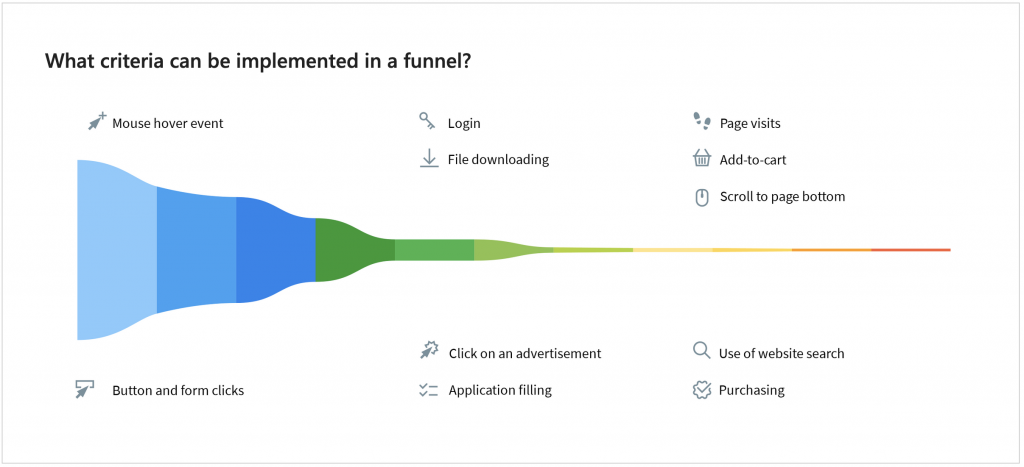
This is the fundamental step that defines success of any campaign. Make sure your CTAs are planned out and no click is wasted. Use online form builders to put together lead generation forms and capture any sale!

Keep a close eye on your conversion funnel to make sure you are making the most of your traffic.

Create Viral Content

The most important thing to remember when marketing a product or service is being sure that the marketing content – whether it’s an eBook, a sales page, or a video – is worth sharing.

Too many forget that they shouldn’t be creating this content for themselves. It’s for the customer.

You should already know what your demographic likes and dislikes, but also consider what kinds of things they share. Take a look at what your demographic does on social media. Do you notice any trends that you could follow?

Make Content Shareable

Once you have a killer idea, you need to make it shareable among your demographic. Don’t just put your video up on YouTube and expect people to flock to it without any notice or incentive.

Post a notice on all the social media channels you operate. Send out a newsletter to let people know you’ve got something worth sharing. Mention it to customers as you communicate with them. If you’re making a big push, you could even contact media outlets with a press release to get even more exposure.

Hold Contests to Incentivize Sharing

Although people may know about your content, they may not be willing to share it, let alone view it. In this case, it may be best to offer an incentive for sharing.

Some successful strategies include holding a lottery of sorts by offering a prize for everyone who tweets about your content or your business.

Work with Brand Ambassadors

Sometimes you can’t just rely on yourself or your customers to get the word out. One trend in online marketing lately has been for marketers to work with brand ambassadors.

The term “brand ambassador” is a bit of a loose term, but it generally means someone who is willing to promote your product in return for money, free samples, or other benefits. Brand ambassadors can promote your product through their own social media or blog, giving you access to an audience you might not have had a chance at before.

Customer Referrals

Don’t forget the old-fashioned method of offering customers rewards for referring your product to new customers. This strategy dates back to before the internet, but it is still applicable today.

In fact, the rideshare app company Uber recently used it to great success, offering customers free rides if they referred the app to their friends. It was a win-win. The referral program gave users free use of the product, and company gained tons of new customers.

It’s hard not to see why referral marketing is so tempting. For one, it’s another avenue for advertising your brand.

And also, the weight of the work of getting your brand out there shifts from you to your customers, who are essentially doing the advertising for you. Sounds appealing, doesn’t it?

Filed Under: Blogging Tips

  • « Previous Page
  • 1
  • …
  • 6
  • 7
  • 8
  • 9
  • 10
  • …
  • 15
  • Next Page »

Recently Updated Posts

Is Your Brand Fan Friendly?

How to Improve Your Freelancing Productivity

How to Leverage Live Streaming for Content Marketing

10 Key Customer Experience Design Factors to Consider

How to Use a Lead Generation Item on Facebook

How to Become a Better Storyteller


From Liz Strauss & GeniusShared Press

  • What IS an SOB?!
  • SOB A-Z Directory
  • Letting Liz Be

© 2025 ME Strauss & GeniusShared