Successful Blog

  • Home
  • Community
  • About
  • Author Guidelines
  • Liz’s Book
  • Stay Tuned

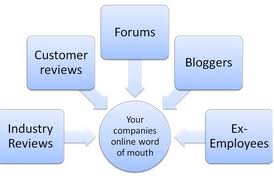
Can You Put a Price on Your Reputation?

February 13, 2013 by Thomas

What would you do if your business reputation was suddenly turned upside down?

Many small business owners are lucky that they never have to answer that question, yet others are confronted with that very scenario more often than they would like.

Whether it is dealing with something they manufactured, perhaps an event that was initiated by an unhappy customer or employee, those who own businesses should always have one eye on how they and their business are viewed by others.

With that being said, how can you best position your online reputation and that of your company before problems arise?

Some tricks of the trade include:

* Positive promotion – Use the different tools at your disposal to promote all the good things you and your business can do. This can be done via press releases, blog posts, social media, online forums, and more.

* Community involvement – As a small business owner, you hopefully have already established yourself in your community. If not, get active in your community, this through things like sponsoring local events, attending local events, working with other area businesses to promote them etc.

* Knowing what is being said about you – While your daily business tasks undoubtedly take up much of your time, you can’t turn a blind eye to what folks are saying about you and your company, especially online. Have your ears to the ground as to what the chatter says about you and your business, how you treat customers, what products and/or services work and which don’t etc. If you don’t listen, your customers may deliver a message that ultimately you will hear.

In the end, there is no price you can put on your reputation other than it is priceless.

As a small business owner, have you ever had your reputation called into question?

If so, how did you go about letting current and potential customers know that they should do business with you?

Photo credit: webseoanalytics.com

About the Author: With 23 years writing experience, Dave Thomas covers a variety of small business topics, including looking at how I need online reputation protection.


 

Filed Under: Business Life Tagged With: bc, customers, reputation, small business, social-media

You Get What You Pay For

February 6, 2013 by Thomas

Running a small business brings with lots of excitement, hard work, and even a little head scratching at times.

As anyone who has ever run a company knows, each day pretty much brings with it a new set of challenges, circumstances, and results. For those who seize the moment, the rewards can be endless.

So, what kind of business owner are you when it comes to money? When referring to money, it means paying your employees.

For many business owners, these last few years of a challenging economy have meant that worker salaries have either been frozen or even reduced. In many cases, new employees coming into companies are seeing offers that they would typically turn down, yet a struggling economy means many are taking jobs at lower salaries.

In other instances, some employees are seeing small increases in their current pay or job offers from a year or two ago, but it typically depends on the industry, the conditions that each specific employer is dealing with, and how much competition there is for each position.

Being a small business owner, are you increasing, decreasing, or keeping your respective employee salaries about the same from last year at this time? As the well-known saying goes, you typically do get what you pay for.

For example, take a look at the field of jobs that encompasses marketing, social media, content writing and other related positions.

If you go on Craigslist or some other sites that post jobs, it is not uncommon to see marketing, social media, and content writing positions (with experience) starting for as little as $10 an hour. While that figure may sound good to someone living at home with their parents, the same someone who has little college and/or related experience, someone else will balk at such an amount.


Avoid the Revolving Door of Employees

If you want to avoid a revolving door of workers in and out of your office, increase your salary offers so that someone has incentive to stay with your company more than just a few months, that is until something better comes along.

Secondly, you may want to consider outsourcing some of the work to contractors and/or consultant, those individuals with experience in the field, yet who are looking to work outside an office setting.

Should you choose that route, you avoid things like medical benefits, 401k plans, and having to manage one more person in the office. With that being said, make sure you get someone who is disciplined and organized enough to work on their own.

Lastly, offering salaries that barely allow someone to put food on their table and keep a roof over their heads opens you up to potential negative publicity.

In today’s social media age, it isn’t uncommon for word to spread quickly that your company is not a good one to work for, especially given that you are paying so little and asking for so much.

So, how do you as a small business owner go about setting your worker salaries? Have you gotten positive or negative feedback from applicants in recent years?

Would love to hear your thoughts….

Photo credit: ehow.com

About the Author: With 23 years of experience as a writer, Dave Thomas covers a wide array of financial topics, including payroll outsourcing.

Filed Under: Business Life Tagged With: bc, employees, help wanted, jobs, salary

Make It Your Business to Choose Office Property Wisely

January 30, 2013 by Thomas

One of the things that likely makes you a smart small business owner is that you’re always thinking ahead.

Whether it revolves around the next great product or service, how to provide your customers with even better service, or knowing how to properly grow your business, your mind is always focused on being prepared for what comes next.

With that in mind, are you considering growing your business in the coming months or years? If so, will such growth involve moving yourself and your employees to a new location?

In such situations, knowing what you are getting yourself and your business into should always be on your mind, especially when it involves a change from the ordinary.

So, let’s say you have outgrown your current office space, meaning there is nowhere left to expand. As a result, you must find a new location for you and your team to efficiently operate out of. In such a scenario, do you have all the necessary time to not only oversee the search, but then get all the relevant details on the new locale you’re intending to move to?

While some business owners will be able to navigate such tasks, others will undoubtedly let some of the work fall into the laps of their most trusted staff.

So, what happens if that person and/or you are not familiar with title insurance? Is it something you can overlook?

If you missed the course on title insurance, know that coverage from a title agency protects the buyer from any claims, encumbrances, and liens held by the seller. Essentially, the buyer walks away with a clean title to the property.

As a business owner, such coverage is not something to overlook, especially given the fact that the premiums are much less expensive than the potential legal fees you could be faced with should there be a dispute over the property at purchase.

To set a timeline for you, once the i’s and t’s on a contract to buy office space are dotted and crossed, the attorney for the purchaser will contact the title insurance provider and “order” the title. The insurer checks all necessary property records to update the seller’s title. In many cases, the finalizing of the title will run about 14 days or so. In the event there is a claim or lien on the title, you (the buyer) could have to navigate legal waters in order to resolve the dispute.

There could be issues such as the city having a right to construct or revamp a portion of the property, or local, federal or state governments having a lien on the site due to back taxes etc.

Whatever the dispute may be, being without title insurance can cost you and your business a pretty penny. Without “clearing” the title, you could end up in a precarious legal and financial hole.

Given there are different title insurance options out there for the buyer (owners, lender’s and extended coverage to name a few), make it your business to be versed on the subject well before you get the keys to your new office space.

Photo credit: gwblawfirm.com

About the Author: With 23 years’ writing experience, Dave Thomas covers a variety of small business topics.

Filed Under: Business Life Tagged With: bc, office space, real estate, title insurance

Are You Secure in the Employees You Hire?

January 23, 2013 by Thomas

One of the biggest challenges that small business owners have is finding the right employees to help take their company to new heights.

In order to find the right pieces to the employee puzzle, it is important that those running businesses take an ample amount of time to research all prospective employees, especially in a day and age of a struggling economy, not to mention numerous cases of identity theft.

According to a number of corporate security experts, some 25 to 40 percent of all workers swipe stuff from business owners, with the U.S. Department of Commerce (DOC) estimating that employee theft involving cash, property, and merchandise may cost American companies upwards of $50 billion on an annual basis.

While some business owners are on top of the matter, others find themselves so busy that they can easily miss theft going on right under their noses.

So, how can you as a small business owner better prevent yourself and your company from being crime victims?

Among the things to look at:

* Screening applicants – First and foremost, make sure you do a thorough screening for each and every employee you consider hiring (see more below). While their qualifications for the job may be outstanding, they could have a skeleton or two in their closet that could end up costing you more than just time missed on the job. Even though many job application forms ask applicants if they have been in trouble with the law, don’t be naive to think that everyone fills them out truthfully. If your suspicions are raised about a candidate, follow through on them to make sure this individual will not cause you trouble should you hire them;

* Social media chatter – One of the ways to screen employees is to follow their chatter on social media. While most are probably smart enough not to brag of any past thefts involving employers, some folks just can’t help opening their mouths. If you see any such behavior on social media that indicates this applicant may be a troublemaker should you hire them, move on from them to the next person;

* Change in routine – In the event you hire someone and notice a change in their habits, don’t automatically dismiss it as no big deal. Most people have a schedule they follow on a daily basis. If someone has been coming in normal hours for several months, then does a 180 and comes in unusually early or stays later than normal, there is nothing wrong with questioning them on it. While the change may be to personal scheduling needs, it could also be to access items at work such as financial records, computer passwords etc. that could be a precursor to theft;

* Financial freedom –  Depending on the size of your small business, you may have one or more people handling finances, i.e. who cuts the checks, who has access to the company credit card to make office purchases or travel to meet clients. Make sure the individual or individuals in charge of such tasks are trustworthy enough to have in this position. It never hurts for you or someone outside the finance department to check the books from time to time, looking for any inaccuracies or large withdrawals during the year;

* Secure your business – Even though you may be watching every dollar you spend, having a security system in place at work is not only to keep the bad guys out, but also to make sure you don’t have any thieves right there in the office. Having an employee take a pen or two from the office supply home with them is a far cry from taking money out of the payroll box or making out checks to themselves for supposed “work-related” expenses. Whether you go with obvious security like cameras on the ceiling or closed-circuit cameras, locked boxes for money and other financial items, or having a log that all employees must sign in and out with to remove any items from the office, have a secure plan in place;

* Let them be warned – Lastly, make sure EVERYONE under your employ knows there are consequences if they are caught stealing from the business. With the economy still struggling to gain sound footing, it is not uncommon to pick up the newspaper or read online of another employee arrested and charged with employer theft. If you don’t point out the severe consequences that can happen with such decisions, you set yourself and your business up for trouble.

Employee theft happens more often than you may realize, so don’t be the next victim.

Photo credit: martinpi.com

About the Author: With 23 years of experience as a writer, Dave Thomas covers a wide
array of financial topics, including finding the right home security system.

Filed Under: Business Life Tagged With: bc, employees, security, small business, theft

Don’t Tax Yourself on Getting Taxes Together

January 16, 2013 by Thomas

It is that time of year that just about everyone other than tax accounts dread.

Yes, time to gather up all those papers and try and figure out if you will be getting a gift from Uncle Sam, or perhaps giving him a little something instead. Either way, doing your taxes can be quite taxing, pardon the pun if you will

So, how can the average worker avert the desire to bang their head up against the wall until they render themselves unconscious?

Let’s start by categorizing workers into two groups – full-time employees and contractors.

If you find yourself in the former, the best advice is to:

* Check with your employer if your tax document is late or if the numbers do not add up. Given the move to 2013, many workers noticed a change in their paychecks earlier this month. A payroll tax increase has led to many workers cutting back on expenses for the time being, that being the culmination of a two-year cut on taxes which fund Social Security. For those unaware, the tax jumped back up to 6.2 percent from the previous 4.2 percent. Keep in mind that your employer is required to finalize your W-2 to report wages, tips, and other compensation you received during the last year by Jan. 31;

* Already think about next tax season – As you are either preparing to or currently working on your taxes for the 2012 work year, pay attention. You may want to make some changes going forward this year to assist you with your 2013 taxes. Whether you want to change certain deduction amounts or how many people can be claimed, review the last 12 months to see if you can change your paycheck to better benefit you over time.

Self-Employed Workers Need to Deduct What They Can

For those workers who are self-employed, they probably enjoyed not seeing taxes deducted from their checks or cash payouts these last 12 months. As most know, however, the time has come due to pay up.

While you have to pay federal, state and local taxes like many other folks, there are savings sitting there for you if you know where to look for them.

If you work from home, remember that you can deduct items like mileage, electricity, phone bill, any purchases that went towards your work efforts like a new computer, printer or fax machine, office supplies etc. You can also deduct travel expenses such as airfare, rental cars, hotels and more if they were accrued during your work time. Lastly, you may be able to deduct a portion of your rent, insurance, etc. if your home is the main base for any business you run and/or work you do for an employer.

The most important facet of all of this talk is making sure you have kept proper records over the last 12 months.

Are you one to save and organize receipts or are you the individual who will be scurrying around April 14 looking for such items?

Whether this tax season brings you a gift or not, be prepared to get your taxes done over the coming weeks, meaning that April 15 does not stare you down like a whole in the wall.

Photo credit: addictinginfo.org

About the Author: With 23 years’ writing experience, Dave Thomas covers a variety of business and consumer topics, including payroll outsourcing.

Filed Under: Business Life Tagged With: bc, employers, self employed, taxes, work from home

Don’t Play Games with Your Online Reputation

January 9, 2013 by Thomas

When you recently flipped the calendar over to a new year, what were some of your first thoughts?

Did you consider that checking out and potentially repairing your online reputation or that of your company would be top priorities in 2013? If so, do you know how to accomplish such a task?

For too many business owners, today’s Internet age can be both a boon and a bust. If it is the latter, the repercussions can be quite impactful.

Stop for a minute and review this last year, especially your interactions with both employees (where applicable) and customers. Did you have any run-ins with either? Is it possible they may have taken to the Internet to besmirch the reputation of you and/or your company? Has any of your personal information gotten online, now potentially putting you in a bad light with current and potential customers?

As you can see, there can be many bases to cover as a business owner. Most importantly, it just takes one slip up online for you and your business to suffer the consequences from.

With the New Year here, setting aside time to Google your name and that of your company just makes sense. In fact, it should be required as mandatory planning going forward from here on out.

When you research your name and your company’s, should you find negative comments related to one or both, there are some actions to take. They include:

* Decide how to manage problem – When you find negative online comments that can be cutting into your ability to do business, there are essentially two options, handle the matter yourself or seek outside help. For those who select the second option, know what you are getting in return for your money. There are various consultants and companies out there who will take the time to help in rebuilding your online reputation, but check them out first. Make sure the consultant or company has a proven track record, spells out all the details of what you will get for your money, and does not have any issues with groups such as the Better Business Bureau (BBB);

* Accentuate the positive – Whether you yourself or someone else takes on the challenge of improving your online reputation, be pro-active. T he reason you got into this situation in the first place is that negative details about you and/or your business rose up the search engine meter. As a result, consumers now may have a negative opinion of you or the company. In order to change that, you need to pump out things such as customer testimonials, blog posts, press releases, and anything else that speaks highly of you and the business. As you do that, the negative stuff will be relegated to a lower position on the search engines, meaning it will not be as easy to find;

* Clean up your act – Finally, make sure any personal data about you or your business is properly suited for the Internet. Keep in mind that there are people search databases out there that can tell the world an awful lot about you. Such material can provide individuals with things like your home address and phone number, court records, income and more. In order to get that information removed from sites such as Intelius, you need to deploy Intelius removal. By monitoring such information, you can make sure it does not show up on other venues, potentially putting you or your business in a bad position.

As you go forward in 2013, keep in mind the importance of monitoring and controlling your online information.

In the event you do not, your reputation could come out on the losing end in this game.

Photo credit: marketingpilgrim.com

About the Author: Dave Thomas covers small business topics for various websites.

Filed Under: Business Life Tagged With: bc, business owner, consumers, Google, online reputation

  • « Previous Page
  • 1
  • …
  • 48
  • 49
  • 50
  • 51
  • 52
  • …
  • 63
  • Next Page »

Recently Updated Posts

Is Your Brand Fan Friendly?

How to Improve Your Freelancing Productivity

How to Leverage Live Streaming for Content Marketing

10 Key Customer Experience Design Factors to Consider

How to Use a Lead Generation Item on Facebook

How to Become a Better Storyteller


From Liz Strauss & GeniusShared Press

  • What IS an SOB?!
  • SOB A-Z Directory
  • Letting Liz Be

© 2025 ME Strauss & GeniusShared