Successful Blog

  • Home
  • Community
  • About
  • Author Guidelines
  • Liz’s Book
  • Stay Tuned

How to Get Customers to Open Your Email

July 30, 2013 by Rosemary

By Mark Saghy

Email is, has, and continues to be, one of the best ways to retain customers. It reminds them you’re still around. It reminds them they need to purchase something from you that they may otherwise forget about. It is often the single greatest way to highlight a new product, promote a new brand, or inform about an upcoming sale or event.
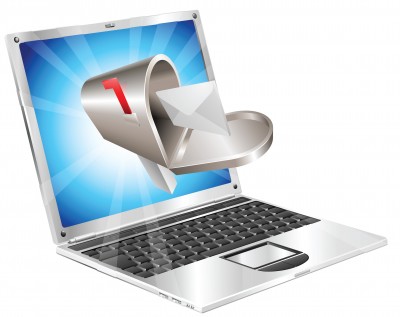
How to get your email opened

A person’s inbox is, for many, a sacred space; for most of us, we check it daily, hourly, or even more frequently than that. The advent of smartphones makes it impossibly easy to stay connected to our flow of email coming through.

Despite the benefits, sending your customers an email can be a very sharp double-edged sword. With the increased ease of email use and access can often come a heightened sense of intolerance about the amount of business or advertising that flows through it.

Even with your most dedicated and loyal customers, there is a fine line between informing them and annoying them. One extra email, one unhelpful or confusing title, one tiny mistake noticed at an otherwise bad time, and bam–that customer has deleted the email without even opening it, or worse–they have permanently unsubscribed from your mailing list.

Here are some ways to keep that to a minimum, while encouraging customers to open as much of your email as possible.

Remember the Value of Quality over Quantity

Clearly, one of the best ways to lose customers is to inundate them with email. Again, a customer’s inbox is their personal space; they don’t want it being tied up with marketing campaign after marketing campaign. Unless the customer has specifically requested to receive a particular quantity of email from your company, it’s pretty safe to assume that you should pick and choose your battles very carefully when sending out a message. Consider the following:

  • Think about why you are emailing-is it a friendly “hello”, or do you have very important news you feel your customers would like to know?
  • When was the last time you sent an email out, and why? Is your message informing them of something new or exciting, or has business slowed down a bit, prompting you to send out a communication?
  • The last time you sent an email, did you check the number of mailing subscribers afterwards, to see if you lost any? If you did, how many did you lose, and what percentage of the total was that?

Each of these questions should be analyzed, a clear answer formulated, and those answers compared with one another. This should typically be done before every email you send out. Remember, you want to focus on the quality of emails being sent, while also keeping a close eye on the quantity emailed over a period of time. Even the best-crafted emails will start being ignored if you send too many of them.

Personalize

No matter how far we have advanced technologically, some of the basic tenets of sales and customer service still apply to the business world today. Even though email cannot create the same kind of in-person relationship that a brick-and-mortar store can have, you can still try to recreate a perceived sense of a personal relationship with your customer. Done right, this can still be one of your most important retention tools.

One great way to help personalize emails is simply to use names. “Dear Customer” is one way to ensure the customer knows you don’t care enough to address them by name-even if their name is sitting right there in your mailing list database. Why not use “Dear Shirley” instead? It’s a simple fix and, presuming there is indeed a database of names, it can be computer automated.

Furthermore, consider having a name in the “from” portion of the email, too. Rather than yourcompany@yourcompany.com, consider using “Paul D. in Sales” or “Maggie, yourcompany.com’s VP”. In addition to encouraging the customer to open the email, doing this makes it sound more personal, more relatable, and less like a standard form letter-even if you send this same exact email to hundreds of your customers.

Keep It Simple, Keep It Clear

People are busier than ever before, and as such, people are more connected to their inboxes than ever before. Mostly gone are the days of walking out of the office and leaving that world behind until the next morning; for many of us, we are expected or required to maintain email communication with our jobs, no matter where we are-including a the dinner table, while traveling, or while watching our kid’s baseball game. Therefore, it is arguably more important than ever to keep the emails you send your customers as simple, clear, and effective as humanly possible.

You will need to use a little bit of psychology here: instead of thinking about the message from your company’s perspective, consider it from the customer’s point of view. Answer the one very important question your customer is often thinking when staring at your email: “why should I open this?” Whatever you want the answer to be, make that the primary focus of the message.

  • Want to pitch a new product? Make the title pop, give as little background information as is needed in the intro, then pitch that product immediately.
  • Upcoming sale? Make sure the customer knows it within the first few seconds of reading.
  • Just checking in to say hi and keep in touch? Do it quickly; skip the fluff.

Keep your email as short as you can, and get your point across in as few words as possible. After you have composed your email, a great way to edit it for clarity is to go back and remove anything that isn’t absolutely relevant or necessary. When possible, bring in a second set of eyes to help with editing and whittling down the language.

Want to share some of your best email tips? Do you have a favorite subject line?

Author’s Bio: Mark Saghy is a marketing executive at ExhibitDeal.com. He is constantly learning and finds joy in sharing his knowledge with the blogging world. You can find him on Google +.

Image credit: http://us.stocklib.com
Filed Under: Checklists, Marketing /Sales / Social Media, Successful Blog Tagged With: bc, Content, email marketing, Writing

Avoid These Four Email Marketing Mistakes

June 28, 2013 by Rosemary

By Kelly Gregorio

With the right email-marketing program in place, you can connect with your customers while saving your business money, time and effort. With the option of real-time messages, email marketing is a great option all around for small business owners.

However, like most things in life, email marketing is only worth the effort if you’re going to do it right the first time. Avoid these tragic mistakes and get everyone excited when they see your business’s name in their inbox.

1. You’re Wasting Their Time

If you’re going to send a promotional email, make sure it offers added value to your readers. Whether you are notifying them of a sale or a special event, your audience deserves to have all of the necessary details clearly provided. Shy away from unnecessary updates that could just as easily be communicated though your Twitter and Facebook feeds.

In addition to providing your audience with informational value, strive to get them an entertaining educational lesson too. After all, you are an expert in your field, so be willing to showcase your talents with tangible takeaways and engaging how-tos. Brand your content-heavy emails with situations (holidays, universal events) related to your readers’ outside worlds.

2. You’re Not Consistent

If one month you’re sending off a few emails a week, and then the next month you barely get one out, you’ve got a problem. Audiences are willing to give you access to their inbox but please, above all else, be consistent. Find a flow that works for both you and your readers and stick with it.

The bonus lies in the branding method (for example you could send out a “Top of the Month” email), which readers will come to expect. This consistency will showcase your trustworthiness as a host and it will likely increase loyalty among your audience.

Additionally, be sure to be consistent with the rest of your look as an overall brand. Be sure to match templates, fonts and colors with the rest of your company’s look. While your audiences are taking on the reader role, they also make connections visually, so allow them to match what they see with their understanding of your brand.

3. You Forget to Scrutinize Before You Send

Regardless of how great your email seems to be, if you are quick to hit send you could be wasting all of that initial effort. No matter your command of the English language, every writer needs an editor. Make a promise to yourself never to break the golden rule of any written content: have another set of eyes review your work.

Along these lines, be sure to test your email before you send it off to your entire audience. Have willing participants (friends or co-workers) open their inboxes up as test zones. Spam filters and plain text options all need to be addressed before your formal send off.

4. You’re Not Share Happy

The email campaign that is strictly formulated for computers is a dead one. Almost everyone is checking their email on their phones these days, which is why your campaign needs to have a converted mobile version. Don’t sell yourself short by limiting your reader’s access to only certain technologies.

For those that are sending out consistently killer emails and still are not getting the response they’ve expected, relax, a simple tweak could nix this issue. By adding Twitter or Facebook links to your emails you are heavily increasing your chances of spreading your word. And if you’ve done everything this article has listed so far (i.e. provided interesting and thorough information in a consistent and polished manner), chances are it will get passed on.

Your turn–what other pitfalls of email marketing have you learned to avoid?

Author’s Bio: Kelly Gregorio writes about topics that affect entrepreneurs and small businesses while working at Advantage Capital Funds, a merchant cash advance provider. You can read her daily business blog here.

Filed Under: Marketing /Sales / Social Media Tagged With: bc, Content, email marketing, sharing

The 5 Pillars Of Successful List Building

September 12, 2012 by Liz

by
Gerald Gigerl

cooltext443809602_strategy

Marketing and List Building Online

Today I will introduce you to the 5 pillars of successful list building, the main factors that can make or break your wealth.

It has to be mentioned that most online marketers have a wrong idea about what marketing online really means. Marketing is war, marketing is testing and marketing is about being the best.

To be good in list building you have to put in at least hundreds of hours to become good at driving traffic, split testing, creating products and writing email campaigns.

There are no shortcuts in making this work and as long as you are not trying to find a way around the hard work, you are not getting into any trouble.

The 5 Pillars Of Successful List Building

Let’s have a look at the 5 pillars of successful list building.

Pillar #1: Niche Selection

Unbelievable but true, I think there are way too many people who get into a niche that they don’t like and are comfortable with. Your goal is to spend enough time researching a market that is big enough and has substantial equity to making your business worthwhile.

Never enter a market that you are not passionate about because in most cases you will “quit” before you ever realize success. When things are tough, the only thing that keeps you going is your drive, passion and goals.

Pay attention to what kind of market you enter as well as how much demand there is. It’s easier to succeed in an already booming market than it is to achieve substantial results in a developing market. It takes more money, energy and time to reach breakthrough success in a “fresh market”.

Pillar #2: Business Model

Your business model is the single most important success factor for your chosen market/niche. As for pretty much everything else there are two options: You choose to create your own business model or you decide to go with an already successful business model.

What is actually meant by creating or following a business model? Basically, you have a very clear plan on how you do everything such as what kind of products you promote, what kind of bonuses you offer, what kind of OTOs (One Time Offers) you offer, optimizing squeeze pages, running split tests using Google Analytics/Experiments, creating email campaigns and much more.

While this might be exactly what you are doing for “planning”, all these skills can only be learned in the process of DOING. Yes, you have to have a plan on how to drive traffic and market your products, but without a strict discipline of doing exactly that, you are just wasting your efforts for planning.

It takes insane amounts of sweat to make anything work. The best you can do to reach your list building goal is to work as hard and smart as you possibly can.

Pillar #3: Squeeze Page Optimization

This is the step where you start making real money really soon if you are putting in consistent effort to make it work.

A squeeze page is a page where a person leaves the email address to get a free gift. The main goal is to drive as much targeted traffic to your squeeze page as possible and convert the traffic as good as possible.

The opt-in rate is mainly determined on how persuasive your sales page is, meaning how people perceive the value you are offering. To get the highest opt-in rate possible, you have to test titles, value proposition, colors, free products and much more.

The only way you can really test all those factors is by driving ongoing, highly targeted traffic to your squeeze page(s).

IMPORTANT NOTE: The message you spread on your squeeze page for your free information product should be consistent. Don’t give people information that is not accurate just to make them subscribe to your email list. The information on your squeeze page must be in congruence with your product.

If your message is providing wrong information, you will get a higher unsubscribe rate than you ever thought possible before. Therefore, your message (value proposition) needs to be consistent to attract targeted customers to your products.

Pillar #4: Traffic Generation

Traffic generation is something that you should never get sick of. There is unimaginable amount of equity in driving traffic to your squeeze page(s). The more ongoing traffic you are able to drive to your capture pages, the more possibilities you have to split test.

Some typical traffic generation methods include forum marketing, free product offers, SEO, PPC, social media, video marketing, article marketing, ad swaps, solo ads, JV giveaways and webinars.

You should never get stuck with one traffic generation method but focus on more techniques to drive high quality traffic.

Pillar #5: Email Marketing

Under email marketing goes everything that you do within your autoresponder. You have got to learn how to set up email campaigns, write newsletters, promote products and much more.

If you decide to market the best-selling products from an affiliate network like ClickBank, many vendors will have email campaigns ready for the promotion of their product. All you need to do is to simple copy and paste their prewritten email campaigns into your autoresponder follow up emails.

If you are promoting your own products you will always have to write your own email campaigns.

No matter what product you decide to promote make sure to keep a stable relationship between your list and you. Don’t bombard your list by sending several emails a day promoting different products all the time.

You want to build and sustain trust.. The best way to do that is by giving your list immense value in the form of free products, free reports, free articles and so on.

Now that you know the 5 pillars of successful list building, you can start producing amazing results for your business!

Author’s Bio:
Gerald Gigerl is a product creator, lead generation and affiliate marketing expert. Gerald creates information products on how to drive massive traffic to your website and generate up to 75 “product hungry” leads a day! If you are really serious about making massive amounts of money online you can learn more about Gerald here: The Affiliate Traffic Pro .

Buy the Insider’s Guide to Online Conversation.

Filed Under: Marketing /Sales / Social Media, SEO, Successful Blog Tagged With: bc, email marketing, LinkedIn, niche selection, small business, squeeze page optimization, successful list building, traffic generation

Targeting Customers with Your Online Email Marketing Strategy

July 27, 2012 by Guest Author

by
Olga Ionel

cooltext443809602_strategy

Targeting Customers with Your Online Email Marketing Strategy

If you are like most that have a business online, or at least a site for your business, you know just how important online marketing is going to be. Marketing on the web might have some similarities to traditional marketing, but there are enough differences that it takes a new approach. In addition to marketing through content, advertisements, and word of mouth, one of the best options for a business owner today is going to be email marketing.

Using email for online marketing has been around since the advent of email, and it can still be quite effective. However, you have to be careful if you are going to use it, and you have to make sure that do the marketing the right way. Otherwise, you risk alienating and angering the very audience that you are trying to reach.

Why is Email Marketing a Good Idea?


BigStock: Email Marketing offers
new opportunity to connect with
customers in relevant ways.

When a customer visits a website, there is no guarantee that he or she is going to buy anything or come back to read more content. Rather than having only one shot with a customer, you should offer an email newsletter signup that is going to let you keep in contact with those customers. This will provide you with the email address that you can keep in your database, and you will be able to provide the subscribers with more content that they can use.

You do not have to offer a newsletter, but it can be a great online marketing tool. People want to feel as though they are getting something when they provide their email address, and this is a good option.

Getting Visitors to Provide Email Addresses

Visitors do not often part with their email addresses. They know all the tricks in the online marketing book by now. They fear that you will sell their email address or that you will send them spam. You have to be very upfront about what you are going to do with the email and what you are going to be emailing to those who provide their email address.

Having a trustworthy site is the first step. You have to have a site with a good reputation, and that has content that the reader finds useful or interesting on the first visit. This is going to make them more likely to provide you with an email address. If you do offer a newsletter, you need to make sure that it is just as valuable as your site. Those who sell products might want to get provide some coupons or discounts in the newsletter, thus adding even more value to it. Perhaps offer an extra 5% off for getting others to sign up for the newsletter.

You can have an opt-in form on your site. It should be easy to integrate a form for email signups with many of the premium wordpress themes available today. If you can’t find a plugin or feature that can accomplish this with the theme, you can always have someone build the form for you. Make sure that you have the form on more than just one location on your site too. While you don’t want to inundate them with the form, you should have it on your homepage, about us page and other key locations on your site. If you sell products, have a form on the checkout page as well.

Using email addresses certainly isn’t the only type of online marketing that you are going to do, but it can be quite helpful. When it comes to online marketing strategies, you want to do everything possible to give your business the best advantages.

What success have you had with using customer email addresses to connect with them?

Author’s Bio:
Olga Ionel is a creative writer at ThemeFuse.com. She is passionate by WordPress, SEO and Blogging. Don’t forget to check out stunning Premium themes for wordpress. (warning: no boring stuff)

Thank you, Olga. Too many of us are overlooking the opportunity that email marketing offers our online business.

–ME “Liz” Strauss

Buy the Insider’s Guide to Online Conversation.

Filed Under: Marketing /Sales / Social Media, Successful Blog Tagged With: bc, email marketing, LinkedIn, online marketing strategy, small business

12 Ways to Focus Your Email Marketing

July 11, 2012 by Guest Author

by
Tara Hornor

cooltext443809602_strategy

Get Off the Fence! Focus Your Email Marketing!

Email marketing is an excellent way to reach out to customers and promote a brand. It’s cheaper, easier, and more effective than many offline marketing methods such as catalogs or posters . Unfortunately, this makes email marketing a prime target for abuse by unethical marketers. The result is that many emails get ignored by potential customers, but there are several tips, tricks, and secrets that can increase the success of email marketing campaigns:

  1. Subject Lines Matter
    Don’t use spam phrases, capital letters, or exclamation marks in the subject line. Your emails will end up in the trash if they read like spam. Be ready to test and adjust your campaign as you go. You’ll find certain subject lines are more effective than others.
  2. Fulfill Expectations
    Provide readers with whatever product or service they might be searching for. Targeting specific readers with focused messaging makes this much easier. Coordinate carefully with operations to ensure that the promises made in any email campaigns can be kept. Nothing is more frustrating than to get excited about a product or service only to find that the email was wrong or even deceptive.
  3. One Size Doesn’t Fit Everyone
    Collect subscriber information and send targeted information instead of generic messages. Effective messages are always personal. If at all possible, include a first and last name – even in the subject line when practical.
  4. Don’t Hide the Sender
    Successful email marketing campaigns begin when senders ensure that receivers know where the messages are coming from. If recipients can tell who is sending the messages, they are more likely to trust the message. On the other hand, when you can’t tell who it is that sent the email, you’re much more likely to skip it.
  5. Never CC Subscribers
    This tactic can annihilate an email marketing campaign. Using CC options cause marketers to violate privacy terms and can damage a business’ reputation. We’ve all seen those emails where hundreds of other people are included in the CC. Now all those people have your email address and there’s nothing you can do about it. Not only is this amateurish, it’s often illegal. Use the BC option instead when sending out an email to more than one recipient. Remember, though, to only put your email address in the main “To” line so that, again, only your email is the one seen.
  6. Include a Clear Call To Action
    If an email doesn’t contain a clear call to action, customers won’t know what to do. Ensure all emails have a clear call-to-action like “call us now!” or “click for more information” or even a “purchase now” button.
  7. Don’t Rely on Images
    Images are often blocked by spam detection software. Images should never be included in email marketing messages as a primary piece of information. It’s fine to include them if you want to add some branding, but don’t rely upon images for your message to be read.
  8. Use Text and HTML Email Newsletters
    Create two versions of all email marketing newsletters. Create an HTML version and a text-only version with an available link to each. This gives readers the option of choosing which to view if their email program doesn’t interpret HTML.
  9. Remember the KISS Rule
    Never create long email messages: Keep It Simple Silly. They take too much time to read. Keep all information scannable and relevant. A common standard is to make sure that the primary message shows up above the “fold” of the page (the area of the screen seen without the reader needing to scroll down).
  10. Timing is Key
    Sending marketing emails too frequently can annoy customers. Sending emails sporadically can cause forgetfulness. Try to strike a balance with frequency and be consistent.
  11. Don’t Sell–Build Relationships
    Don’t resort to hard selling. Focus efforts on networking and building relationships. While emails are a simple form of communication, they can be the first impression a customer has for your company. So think long-term, not short-sell.
  12. Let Readers Leave Easily
    Email should always include an unsubscribe link so that subscribers can choose to opt out. It’s only fair that consumers should have a choice in communications and relationships with businesses.

BONUS:
Bounce Those Bouncing Addresses
Don’t waste time trying to correct addresses that bounce. It’s not worth it. Just remove the offending email from the subscriber list and move on. The problem here is that too much time is often spent trying to fix a few emails that are no longer valid. If it bounced once, it’s likely going to bounce again.

Email marketing can bring positive results quickly if marketing efforts are focused. Engage readers on a personal level to lay a solid foundation for future sales. Use these strategies to provide the fuel you need to ignite your next email marketing campaign.

Author’s Bio:
Tara Hornor writes about marketing, advertising, branding, web and graphic design, and desktop publishing for PrintPlace.com a company that offers online printing for print marketing media. Find her on Twitter as @TaraHornor .


Thank you, Taral!

–ME “Liz” Strauss

Buy the Insider’s Guide to Online Conversation.

Filed Under: Marketing /Sales / Social Media, Successful Blog Tagged With: bc, email marketing, LinkedIn, print, print marketing materials, small business

Is Your Company’s Email Marketing Campaign Nothing Short of Junk?

May 30, 2012 by Thomas

Although some “experts” stand by their claim that email will one day go the way of Beanie Babies, New Coke and Pontiac, there are others that believe email will be with us for the foreseeable future.

No matter which side of the fence you find yourself on with such a debate, one thing we can all agree on is that our respective email folders do not take very long to get filled up. In fact, go away on vacation for a few days without computer access and see what your business or personal email folder looks like when you return home.

For those individuals that are in charge of email marketing campaigns for their respective companies, it takes a delicate touch of finding the right amount of emails to send out to current and prospective clients so that you do not come across as a spammer. Making matters worse than spamming, a bad email campaign can dampen your company’s reputation, leading consumers to go elsewhere for the products and/or services that you offer.

So, how can you put together winning email marketing solutions that not only keep you out of the doghouse with search engines, but allow your company to get its message across at the same time?

  • Avoid having a spam reputation – The last thing you want your business to come across as with current and potential clients is that of a spammer. We all have junk folders in our email set ups that allow us to filter out all those sales pitches that we neither have time nor interest in. Make sure you are emailing individuals that have opted-in to receive messages from you in the first place. If you’re randomly emailing consumers about your business without their approval, you are breaking cardinal rule 101 of emailing, you are a spammer;
  • Avoid the same message to everyone – It should be obvious, but don’t send out a mass emailing to individuals regarding benefits for senior citizens if they are not 55 or older. Break down your list to make sure the people you are targeting are of that age and would actually find your message of value. Sending such an email to someone in their 30s is not only a waste of your time, but also their time. Yes, you could argue that their parents or someone they know in the 55 and older age range would find your message of value, but then it should have gone to those people in the first place;
  • Avoid a mixed message – Another faux pas is to have an email where the headline and the content do not match up. In the event you are trying to push information on auto insurance quotes, don’t have a headline that touts life insurance. You may think you are killing two birds with one stone by mentioning both forms of coverage, but it comes across as an error and could hurt your reputation;
  • Avoid not having solutions – Your email message should provide a solution for the party it is being sent to. Make sure your email shows how you can help the client, giving them a solution and not more questions. At the end of the day, you need to show the individual how you can assist them and why this email should be saved and not junked;
  • Avoid not providing a way out – All of your email messages should include an opt-out provision, even for clients that have been on your email list for some time now. It is as simple as providing clear details on how the individual can opt out of mailings down the road;
  • Avoid being too cheap – Just about everyone likes deals and promotions, so offer some up in your email marketing campaigns. The incentives you provide individuals are a great way to respond to your pitch, leading to added business or a new client down the road;
  • Avoid mistakes – Last but not certainly least, avoid having typos in both your headlines and the body of your message. If you think grammatical issues are not a big deal, think again. Would you consider doing business with a company whose email marketing message was sporting typos, run-on sentences, incorrect information and more?

Email marketing is still a prime player in a company’s efforts to attract and retain business these days.

If your email marketing campaigns seem a little junky these days, don’t automatically mail it in on failing.

Photo credit: websiteexpert.com

Dave Thomas, who discusses subjects such as direct mail advertising, writes extensively for San Diego-based Business.com.

Filed Under: Marketing /Sales / Social Media, Successful Blog Tagged With: bc, email marketing, LinkedIn, small business

Recently Updated Posts

Is Your Brand Fan Friendly?

How to Improve Your Freelancing Productivity

How to Leverage Live Streaming for Content Marketing

10 Key Customer Experience Design Factors to Consider

How to Use a Lead Generation Item on Facebook

How to Become a Better Storyteller


From Liz Strauss & GeniusShared Press

  • What IS an SOB?!
  • SOB A-Z Directory
  • Letting Liz Be

© 2025 ME Strauss & GeniusShared