Successful Blog

  • Home
  • Community
  • About
  • Author Guidelines
  • Liz’s Book
  • Stay Tuned

Top Threats to Your Online Reputation

April 29, 2013 by Rosemary

By Mike Zammuto

The Internet has long been likened to the Wild West—and not without reason. On the Web, a certain kind of lawlessness seems to prevail; people can say pretty much whatever they like, about whatever subject they like, and they can do so with impunity. It matters little whether their comments are truthful, or whether they are outright defamatory. On the Internet, it seems, anything goes.

This kind of freedom may be nice for consumers, but it can be dangerous for businesses and brands—and for small companies, in particular. There is, in the end, nothing to prevent online consumers from posting negative (and fallacious) reviews about your brand; there is nothing to prevent rival companies from smearing your name, and there is no way to completely stop the spread of Internet rumors or negative news stories about your brand. Again, on the Internet, anything goes.

This is not meant to sound alarmist. The good news is that small businesses that know about these common reputational threats can do much to defend themselves. Some of the gravest reputational threats are rounded up below, along with some strategies for preventing them.

Doppelganger Domains

If you haven’t heard anyone talking about doppelganger domains just yet, you will soon; this is an increasingly prevalent tactic that large, duplicitous companies use against their smaller competitors. Basically, a rival company might sign up for an online domain that corresponds with your company’s name—and then, your rival will use that site to parody you, to lampoon you, and ultimately to run your company into the ground.

There is an incredibly easy fix here, however, and it’s as simple as taking a few moments to buy the rights to all of the domains associated with your brand. These include YourBrandName.com, .net, and .org; you may also wish to sign up for the domains associated with your key executives, and with your branded products. Go through GoDaddy.com and none of these domains ought cost much more than $20 apiece. This is a simple and cost-effective way to protect your brand’s online integrity.

User-Generated Reviews

A much pricklier and more complicated subject is that of user-generated reviews. Review sites like Yelp.com, Urban Spoon, TripAdvisor, and Foursquare are gaining in prominence and influence all the time. It is not hard to understand why: simply put, more and more consumers are using these sites to base their purchasing decisions. What this means, however, is that online review sites can either make or break your small business, and even a lone bad review can lead to a drop-off in sales.

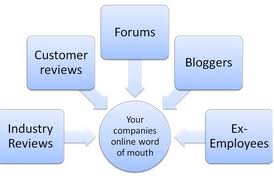
Sadly, though, responding to negative reviews is rather difficult. Certainly, small businesses should make it a habit to monitor their reviews and to post grateful responses to the positive ones, and even to instances of genuinely constructive feedback. Responding to negative reviews—outright unreasonable and defamatory ones—is less advisable. That’s because small businesses are threatened not just by reviews from real consumers, but also by fake reviews, planted by rival companies—and, in some cases, by disgruntled employees!

So what’s the best response to negative reviews? Really, the best response is no response at all. Rather than draw further attention to those nasty reviews, companies are encouraged to work on building up plenty of positive reviews from their faithful customers. Simply ask for those reviews, and rest assured that padding the ballot with these positive notices will significantly dampen the blow of negative ones.

Internal PR Errors

Several months ago, there was an instance of an American Red Cross worker logging into the charity’s Twitter account, thinking it was her private, personal Twitter feed. She proceeded to post about getting drunk, which is not exactly the kind of thing supporters hope to see on the Red Cross Twitter feed. The whole incident was an honest mistake, yet it reveals one of the biggest threats that companies face in the Age of Social Media—namely, their own employees!

Any ill-advised or poorly-worded social media post can threaten your company’s online reputation. One solution is to make sure that your social media posts are handled only by members of your team who really understand the corporate vision—and not by, say, an intern or a part-time employee. Additionally, password-protecting your accounts—and changing those passwords with regularity—is essential.

Online Reputation Management for SMBs

The bottom line is that the reputational threats that loom on the horizon for small businesses are truly numerous—but that doesn’t mean SMBs are powerless to defend themselves. These reputational meltdowns are far from inevitable; on the contrary, they can be protected against through the implementation of these online reputation management strategies.

Author’s Bio: Mike Zammuto is the President and COO of Reputation Changer (reputationchanger.com). The company offers online reputation repair and other reputation management services.

Filed Under: Marketing /Sales / Social Media, Personal Branding, Successful Blog Tagged With: bc, reputation management, social-media

How Do We Get More Social With Our Clients?

March 13, 2013 by Thomas

Whether you run a small, mid-sized or large company, how social you are with your customers can go a long way in determining just how successful you are destined to be.

Whether they feel like they can’t properly engage their return on investment (ROI), don’t want to make the time and effort or are essentially ill-informed on how to properly run social media campaigns, there are still many businesses that are missing the boat when it comes to socially engaging consumers.

So, how can you and/or your marketing team (where applicable) get the most out of what social media has to offer moving forward?

Among the tricks of the social trade:

1. Be a good listener – Even if your business is just using social media sporadically, you can pick up a ton of valuable chatter by listening to what is being said about you and your industry in general. If you do not use Facebook, Twitter, Google+ for any other reason, use them to hear the conversations. You can pick up valuable discussions as to what consumers need more and less of, along with what their most used questions and issues are;

2. Be a consistent presence – Like many other things in life, you need to be constantly active in social media to truly benefit from it. Just being a casual social media participant leaves you and your company with several problems. First, you are not there regularly to see and hear what is going on. Secondly, you won’t be viewed as an authority in your industry if you just pop in and out on the social channels. Finally, you miss out on potential sales from those consumers who do not yet have the product or service they need;

3. Be someone who engages – One of a number of reasons consumers are on social media for starters is they come looking for answers and solutions to their questions and problems. With social media, you can respond to them in a real-time fashion, something you can’t do through traditional means like in-person store visits or phone calls. Actively engage consumers that are both present and potential customers with you, showing them you want to be the go-to man or woman for their shopping needs;

4. Be void of spamming – With all the positives that social media can offer you as a business owner, never use it to spam consumers. The spammer is the individual or company that inundates consumers with messages, mostly trying to push a sale down their throats. Some consumers will automatically revolt against this, feeling like you are being too pushy. Use your social media tweets and shares to answer questions, solve problems, along with educating the consumer. The latter can be easily done via links to tutorials and other items you hopefully have on your website;

5. Be human – Finally, make your social media posts fun and entertaining from time to time. Yes, your main goal is to draw people back to your website, but you can’t be about sales and business 100 percent of the time. Show those who view your SM posts that you and your company are just like them, doing this by interjecting some humor into your posts. You should also humanize your entire office team by either getting them to post or talking about them (images are great) from time to time. Being social is just that, putting a social side to your business.

So, how do you as a business owner go about getting the most out of social media in 2013?

Photo credit: dimespring.com

About the Author: With 23 years’ writing experience, Dave Thomas covers social media and business topics, including Internet reputation management.

Filed Under: Business Life Tagged With: bc, business owner, consumers, social-media

How to really make Twitter work for your business

March 8, 2013 by Rosemary

By Tina Hamilton

By now entrepreneurs and small business owners should be aware that marketing from social media platforms is highly advantageous—namely Twitter. I thought I knew it all when it came to utilizing Twitter for marketing efforts, however, the old saying “you never stop learning” proved to be very true. I knew Twitter for being a notorious platform for fans to follow celebrities on, and for big businesses to establish contact with people via blasting multiple daily tweets. I was under the misconception that when it came to marketing, only large corporations benefited from using Twitter. I was mistaken, for in the words of Yoda, “size matters not.” Twitter can even benefit a kid with a lemonade stand.

Simple rules to follow

When setting up a Twitter business account there are some simple rules you will want to follow that I discovered are very effective. If you are a home-based entrepreneur the Twitter winds will blow your sails towards the shores of other companies and marketing experts with whom you can connect. Marketing your brand on Twitter (correctly) will open more doors for advantageous encounters.

Brand yourself

When setting up your profile make sure you take advantage of the area reserved for your profile photo and instead upload an image of your company’s logo. This will help to establish brand recognition, and the verbal tweets that you provide can be placed with a visual image that will brand itself into your audience member’s minds.

Wave your Twitter flag

In other words, let EVERYONE know that you are on Twitter. Tell all your friends and followers on Facebook, Linkdin, Pinterest, and any other social media platforms you may be using. This is a numbers game: the more followers you get, the better your brand’s online exposure will be.

Being a leader means to be a follower

As a business leader you will want to follow as many businesses, entrepreneurs, marketing experts and those who are relevant in your field. It is common “Twitter etiquette” that if someone follows you, you follow him or her in return. You should also follow all of your competitors for two simple reasons: (1) you can keep an eye on “what they are doing” and (2) it provides an opportunity for their followers to discover and follow you.

Stick to business

We all know that bartenders aren’t supposed to talk about politics and religion, and the same holds true for business Tweets. As you will see lots of tweets floating through cyberspace that stress views on non-business related issues, you may feel tempted to respond. But don’t. Running a successful Twitter campaign requires one to stay on neutral ground at all times.

Get visual

Sharing images is a great way to draw attention to your brand. People are more inclined to respond to tweets that include images—just make sure they are business appropriate. A photo of the Dallas Cowboy cheerleaders could offend those who dislike the team or upset those who think cheerleading objectifies women. Instead, show an inspirational and motivating image or personal photo from your place of business (a happy client using your services, for example).

Growth!

Trust me guys, follow these tips and you will see a difference in the number of people you communicate with via your brand. Not only have these methods helped me; they have helped many others who took them on board. Here’s to some successful tweeting!

Author’s Bio: Tina Hamilton is a veteran journalist who enjoys covering a wide range of topics like social media, business, society, and others as a staff writer for Organic Media Group, a boutique SEO consulting agency. You can follow Tina on Twitter as @TinaTheScribe.

Filed Under: Marketing /Sales / Social Media Tagged With: bc, followers, social-media, Twitter

Can You Put a Price on Your Reputation?

February 13, 2013 by Thomas

What would you do if your business reputation was suddenly turned upside down?

Many small business owners are lucky that they never have to answer that question, yet others are confronted with that very scenario more often than they would like.

Whether it is dealing with something they manufactured, perhaps an event that was initiated by an unhappy customer or employee, those who own businesses should always have one eye on how they and their business are viewed by others.

With that being said, how can you best position your online reputation and that of your company before problems arise?

Some tricks of the trade include:

* Positive promotion – Use the different tools at your disposal to promote all the good things you and your business can do. This can be done via press releases, blog posts, social media, online forums, and more.

* Community involvement – As a small business owner, you hopefully have already established yourself in your community. If not, get active in your community, this through things like sponsoring local events, attending local events, working with other area businesses to promote them etc.

* Knowing what is being said about you – While your daily business tasks undoubtedly take up much of your time, you can’t turn a blind eye to what folks are saying about you and your company, especially online. Have your ears to the ground as to what the chatter says about you and your business, how you treat customers, what products and/or services work and which don’t etc. If you don’t listen, your customers may deliver a message that ultimately you will hear.

In the end, there is no price you can put on your reputation other than it is priceless.

As a small business owner, have you ever had your reputation called into question?

If so, how did you go about letting current and potential customers know that they should do business with you?

Photo credit: webseoanalytics.com

About the Author: With 23 years writing experience, Dave Thomas covers a variety of small business topics, including looking at how I need online reputation protection.


Filed Under: Business Life Tagged With: bc, customers, reputation, small business, social-media

Internet Marketing and What it Means for Businesses Today

February 4, 2013 by Rosemary

By Rebekah Griffiths


It’s clear that the internet is becoming an increasingly important aspect of everyday life. From watching the latest TV shows and films to shopping for food and the latest fashion trends, millions of people all over the world connect on a daily basis. This means that by making the most of a strong online presence, perceptive business owners are able to easily tap into a national or even global market. Statistics in recent years have pointed to the eruption of e-commerce; in the U.S. alone, online sales grew from around $70bn back in 2002 to well over $250bn dollars today.


What does it mean for businesses?


With such a huge and active audience available, today’s businesses are advised to bolster their print advertising with online marketing campaigns. Many choose to place an even greater emphasis on modern online methods than they do with other, more traditional marketing means such as flyer distribution, TV commercials, and radio ads.


There are a number of options available when it comes to reaching an online audience and a combination of these, including an intelligent web marketing campaign, can be, for many, the difference between success and failure.


Social media


Today, millions of people are connected to one another via social media. Sites like Facebook, Google+, and Twitter have millions of active users. What makes it easier for businesses to reach individuals on these platforms is the passive way in which they are approached. Marketing via social media is all about connectivity – making it worthwhile for customers to reach the business, rather than the other way round. Businesses can offer humorous or relevant content to users, who can then follow their activity for the latest industry news and offers.


Not only are businesses able to reach a much broader audience through social media; it also allows companies to engage closely with customers, identify trends, and process customer feedback.


In a day and age when consumers are increasingly choosing vendors based on the quality and convenience of the experience offered, providing customers with exactly what they are after is a sure-fire way of maintaining the brand image.


Web design


Just as a store front or print campaign must be both aesthetically pleasing and practical, so too must a company’s website; it should look professional while at the same time point customers in the right direction. In terms of design, a website can be constructed to bear the same colors, logo, and typefaces as the company’s existing branding – which will increase brand recognition with online visitors while portraying a consistent, recognisable company image. Pages can be written with clear, concise, and promotional content, and the most tech savvy businesses will be aware of the effectiveness of search engine optimisation (SEO).


What is SEO?


Search engine optimisation is all about making a website attractive to the most popular search engines today, such as Google and Yahoo. Since the vast majority of internet users will find the sites they need through the offerings of the search engine listings, this is a crucial consideration for businesses looking at online marketing.


By implementing content that is relevant to what potential customers are searching for, sites will be ranked higher in the search engine listings and can experience vastly improved site traffic, which in turn can impact hugely on custom.


What can it mean for a franchisor?


Online marketing enables a franchisor to allow its individual stores to attract customers because, just as online marketing can tap into an international or global audience, so too can it help attract customers on a more local basis – which could, for instance, include the residents of towns and cities near to a store location. Individual stores can each have a presence on social media sites, and SEO can draw in traffic from the locality and drive regional sales.

How are you combining traditional and social media marketing for your business?

Author’s Bio: 

Rebekah works for Engage Web, an internet marketing firm based in the UK. With UK-based and international clients, Engage Web provides a variety of web marketing services, including SEO, social media, and web design.

Filed Under: Marketing /Sales / Social Media, SEO, SOB Business, Successful Blog Tagged With: bc, digital marketing, SEO, social-media, web design

How to Decide if a New Social Tool is Relevant to Your Business

January 17, 2013 by Rosemary

By Rosemary O’Neill

Remember how uncool bell-bottom jeans were 10 years ago? Then they became so uncool that they were cool again (they’re now uncool again, just FYI).

The world of social media works in much the same way. As Heidi Klum says on Project Runway, “one day you’re in…the next day, you’re OUT.” Facebook is the big kahuna right now, but there’s no guarantee that it will stay on top.

For that reason, it’s a good idea to at least take a glance at new or revived social tools once in a while. This post will give you some strategies to help you evaluate whether a new shiny object is “hot or not” for your online business strategy.

How to Evaluate a New Social Tool

  • Can I afford it? Remember that free tools aren’t really free. Your time is money too. Also consider whether you’d need to upgrade to a pro option to get maximum benefit from the tool.
  • Am I familiar with it? Unless your schedule allows time for training and learning curve, think about how hard it will be to get up to speed. Will it take priority over other, more important tactics?
  • Is my audience there? Try to find out the key demographic using the tool. Does that overlap with your own market strategy? A great resource for demographic information is this Ignite Social Media report.
  • Is it a relevant topic? Some social tools are topic-centric (like the new MySpace). Does the topic relate to your business in some way? Can you leverage it to support your marketing plan?
  • Does it work with the rest of my strategy/tool kit? Hopefully you’re making life easy on yourself by creating a cohesive set of tactics. You don’t want redundant or clashing applications in your portfolio. For example, you probably don’t need to use both Hootsuite and Tweetdeck.
  • Is it stable/supported/funded? It’s good to take a look at new social tools, but don’t go “all-in” until there is some traction or proof that it’s going to last. You don’t want to be caught losing your data or content if a startup pivots or goes out of business entirely.

These are just some of key considerations for when you read a Mashable article about the “next new thing” in social media. It’s important to stay abreast of changing technology, but you don’t want to chase shiny objects!

How do you decide whether to jump into a new social application?

Author’s Bio: Rosemary O’Neill is an insightful spirit who works for social strata — a top ten company to work for on the Internet . Check out the Social Strata blog. You can find Rosemary on Google+ and on Twitter as @rhogroupee

Buy the Insider’s Guide to Online Conversation.

Filed Under: Marketing /Sales / Social Media Tagged With: bc, demographics, online business, shiny object, social-media, technology

  • « Previous Page
  • 1
  • …
  • 4
  • 5
  • 6
  • 7
  • 8
  • …
  • 38
  • Next Page »

Recently Updated Posts

Is Your Brand Fan Friendly?

How to Improve Your Freelancing Productivity

How to Leverage Live Streaming for Content Marketing

10 Key Customer Experience Design Factors to Consider

How to Use a Lead Generation Item on Facebook

How to Become a Better Storyteller


From Liz Strauss & GeniusShared Press

  • What IS an SOB?!
  • SOB A-Z Directory
  • Letting Liz Be

© 2025 ME Strauss & GeniusShared